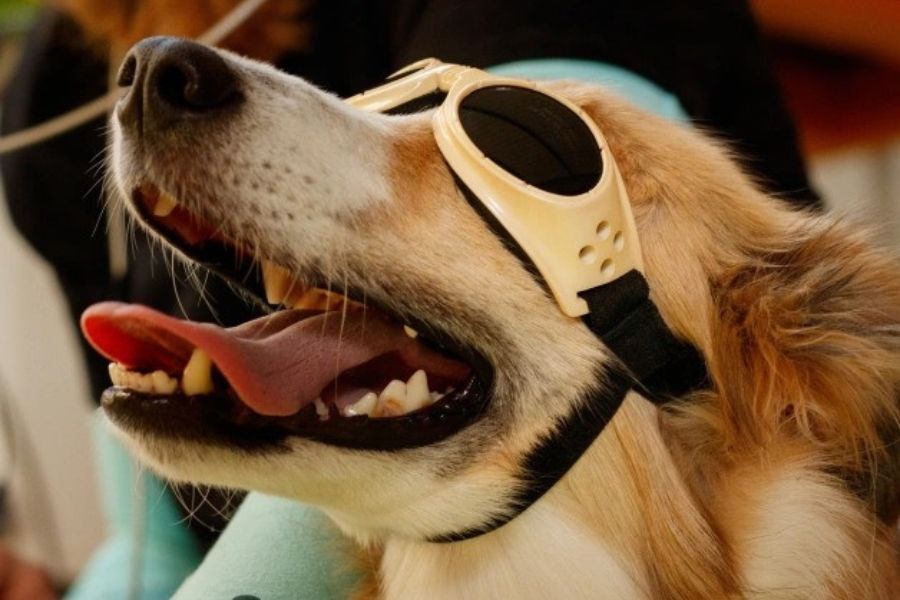
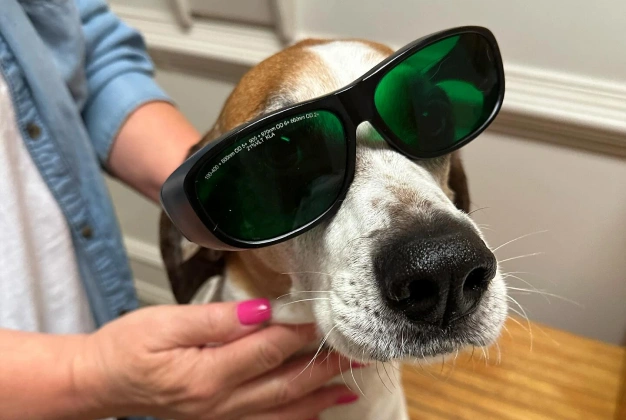
As pet owners, we always strive to provide the best care for our furry companions. When your pet is in pain or recovering from an injury, you want to explore all available treatment options to ensure their comfort and health.
Deciding if laser therapy is the right choice for your pet is an important step toward improving their health and well-being. At Union Hill Animal Hospital, we understand how overwhelming it can be for pet owners to navigate different treatment options. Whether your pet is dealing with chronic pain, recovering from an injury, or in need of inflammation relief, veterinary laser therapy offers a safe and non-invasive solution. This guide will walk you through everything you need to know about laser therapy and help you determine if it’s the right fit for your pet’s needs, especially for pet owners in Canton, GA.
1. What Is Veterinary Laser Therapy?
Veterinary laser therapy, also known as cold laser therapy or low-level laser therapy (LLLT), is a non-invasive treatment used to reduce pain, inflammation, and promote healing in pets. It uses specific wavelengths of light to penetrate the skin and stimulate cellular processes, helping to speed up the healing of tissues and relieve pain.
Laser therapy is commonly used to treat conditions like arthritis, joint pain, soft tissue injuries, and even post-surgical recovery. It is an effective alternative to medications, especially for pets that may have difficulty tolerating drugs or those who suffer from chronic conditions.
2. How Does Veterinary Laser Therapy Work?
The technology behind veterinary laser therapy involves a specialized laser that emits light energy. This light is absorbed by the cells in the body, particularly those involved in tissue repair and inflammation control. The energy from the laser stimulates cellular activity, which in turn promotes the production of collagen, increases blood flow to the treated area, and reduces inflammation.
Laser therapy works at a cellular level, encouraging the body’s natural healing processes. It does not involve any heat, so it’s safe and painless for your pet. In fact, many pets find the experience soothing, and sessions usually only last between 5 and 15 minutes.
3. What Are the Benefits of Veterinary Laser Therapy?
There are several reasons why veterinary laser therapy has become a preferred treatment option for many pets. Some of the key benefits include:
- Pain Relief: Laser therapy helps reduce inflammation and stimulates the production of natural pain-relieving chemicals, offering relief for conditions like arthritis, joint pain, and muscle strain.
- Accelerated Healing: Laser therapy enhances tissue repair by increasing blood flow and promoting the production of collagen. This is particularly beneficial for pets recovering from surgery or injury.
- Non-Invasive and Drug-Free: Unlike surgical treatments or medications, laser therapy is completely non-invasive and free of side effects, making it an ideal option for pets that can’t tolerate traditional treatments.
- Chronic Pain Management: For pets suffering from chronic conditions like arthritis, laser therapy can provide long-term pain management and help maintain mobility, allowing pets to live a more comfortable life.
- Improved Range of Motion: Laser therapy can help improve mobility and flexibility in joints and muscles, which is especially beneficial for senior pets with arthritis or soft tissue injuries.
4. What Conditions Can Veterinary Laser Therapy Treat?
Veterinary laser therapy is effective for a wide variety of conditions. Some of the most common issues treated with laser therapy include:
- Arthritis and Joint Pain: Pets with osteoarthritis or other joint issues can experience significant relief from pain and improved mobility after laser therapy sessions.
- Soft Tissue Injuries: Laser therapy is often used to treat sprains, strains, and tears in muscles, tendons, and ligaments.
- Post-Surgical Recovery: After surgery, laser therapy can speed up the healing process, reduce swelling, and manage pain, helping pets recover more quickly.
- Inflammation and Swelling: Conditions like tendonitis, bursitis, and other inflammatory issues can be treated effectively with laser therapy.
- Wound Healing: Laser therapy can enhance the healing of cuts, abrasions, and other wounds by increasing blood flow to the affected area.
- Neurological Conditions: In some cases, laser therapy can help with nerve regeneration and healing after nerve damage or neurological conditions.
5. Is Veterinary Laser Therapy Right for My Pet?
Veterinary laser therapy is a safe and effective treatment option for many pets, but it may not be the right choice for every pet or condition. Here are some factors to consider when determining if laser therapy is right for your pet:
- Chronic Conditions: If your pet suffers from chronic pain, arthritis, or joint issues, laser therapy can be a highly effective treatment to manage pain and improve mobility.
- Recovery from Surgery: Laser therapy can speed up healing and reduce pain after surgery, making it a great addition to your pet’s post-operative care plan.
- Non-Response to Medication: If your pet is unable to tolerate medications or has not responded well to traditional pain treatments, laser therapy offers a drug-free alternative.
- Age and Size of Pet: Laser therapy is safe for pets of all ages and sizes. However, it may be especially beneficial for senior pets who suffer from chronic conditions or slow healing processes.
If you’re considering laser therapy for your pet, consult with your veterinarian to determine if it’s a suitable treatment option based on your pet’s health and condition.
Veterinary laser therapy is an effective, non-invasive treatment option that can provide pain relief, promote healing, and improve your pet’s overall well-being. By understanding how it works and evaluating your pet’s needs, you can make an informed decision about whether laser therapy is right for them. If you have any questions or concerns about how laser therapy can benefit your pet, feel free to contact us at Union Hill Animal Hospital. We are here to offer expert advice and care tailored to your pet’s needs.
If you’re in Canton, GA, and considering laser therapy for your pet, we encourage you to schedule a consultation with our team at Union Hill Animal Hospital today. We’re here to help your pet live a healthier, pain-free life.
FAQs
Q1. Is veterinary laser therapy painful for my pet?
Ans. No, veterinary laser therapy is non-invasive and painless. In fact, many pets find the treatment soothing and relaxing.
Q2. How long does a typical laser therapy session last?
Ans. Each session typically lasts between 5 and 15 minutes, depending on the size and condition of the area being treated.
Q3. How many sessions will my pet need?
Ans. The number of sessions required depends on your pet’s condition. Acute conditions may require fewer treatments, while chronic issues may require ongoing sessions. Your veterinarian will create a customized treatment plan.
Q4. Are there any side effects of laser therapy?
Ans. Laser therapy is generally very safe and has no significant side effects. It’s a non-invasive, drug-free treatment that promotes natural healing.
Q5. Can laser therapy be used for all pets?
Ans. Laser therapy is safe for pets of all ages and sizes. However, it may not be suitable for pets with certain conditions, such as cancer. Always consult with your veterinarian before starting treatment.
Q6. How soon will I see results from laser therapy?
Ans. Some pets show improvement after just one or two sessions, while others may need multiple treatments for more significant results. It depends on the severity of the condition.