
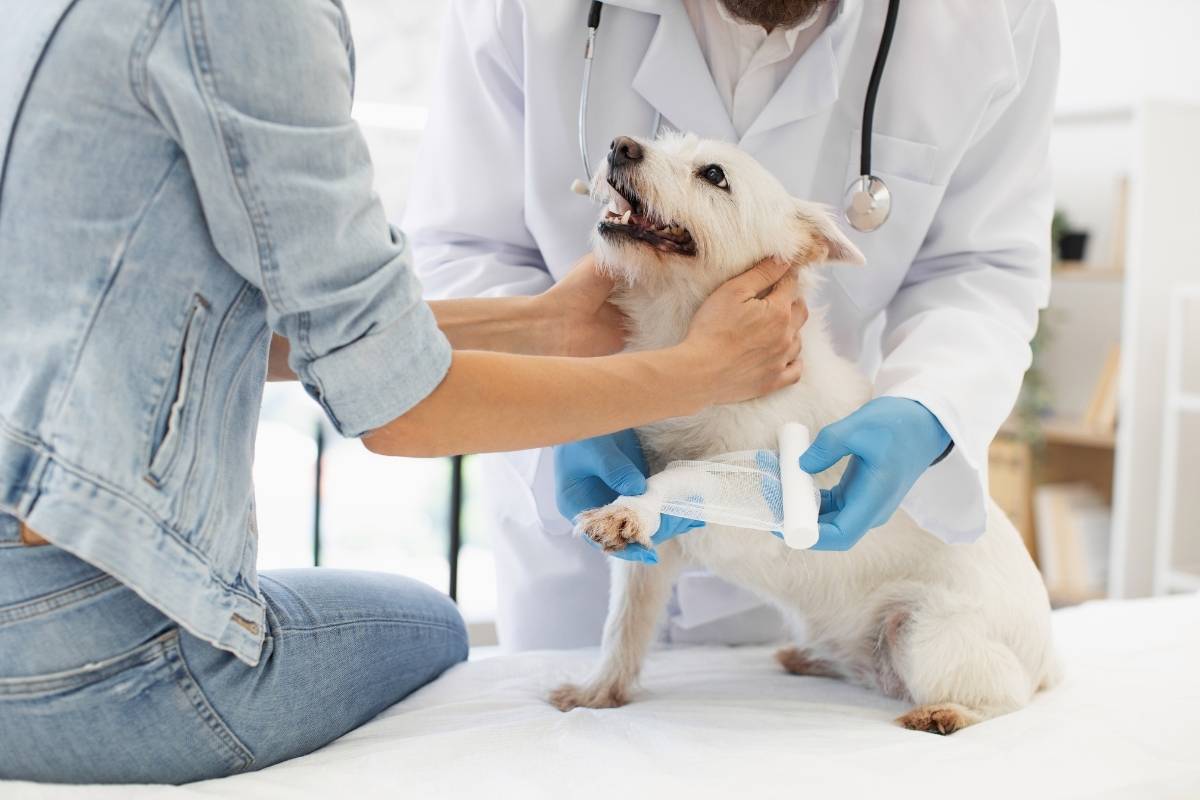
Pets are family but unlike humans, they can’t always tell us when something is seriously wrong. Recognizing a pet emergency early can make the difference between life and death. While some issues can wait for a regular visit, others require urgent veterinary attention.
If you’ve ever searched for a pet emergency near you, you already understand how critical timely care is. This guide breaks down 15 situations where you should seek immediate veterinary help, especially if you need pet urgent care Canton residents can rely on.
1. Difficulty Breathing
Labored breathing, wheezing, or excessive panting (without exercise) is a major red flag. This could indicate:
- Heart disease
- Lung infection
- Airway obstruction
Immediate care is crucial, oxygen deprivation can quickly become fatal.
2. Severe Bleeding or Trauma
If your pet has been hit by a car, attacked, or is bleeding heavily:
- Apply gentle pressure to control bleeding
- Transport them to a vet immediately
Even if injuries seem minor, internal damage may not be visible.
3. Persistent Vomiting or Diarrhea
Occasional stomach upset happens, but repeated vomiting or diarrhea can lead to:
- Dehydration
- Toxic ingestion
- Serious infections
If symptoms last more than 24 hours or are severe seek urgent care.
4. Poisoning or Toxic Exposure
Common household items like chocolate, grapes, medications, or cleaning products can be toxic.
Signs include:
- Drooling
- Tremors
- Seizures
- Sudden lethargy
Don’t wait, contact a vet immediately if you suspect poisoning.
5. Seizures
A seizure may look like:
- Uncontrolled shaking
- Drooling
- Loss of consciousness
While some seizures stop quickly, they always require veterinary evaluation especially if they last more than a minute or happen repeatedly.
6. Difficulty Urinating or Defecating
Straining, crying, or inability to urinate can indicate:
- Urinary blockages
- Kidney issues
This is especially dangerous in male cats and requires emergency care.
7. Broken Bones or Limping
Sudden limping, swelling, or inability to bear weight may signal:
- Fractures
- Ligament injuries
Delayed treatment can worsen damage and prolong recovery.
8. Sudden Collapse or Weakness
If your pet suddenly collapses or becomes extremely weak:
- It could be due to heart problems
- Internal bleeding
- Severe infections
Immediate veterinary attention is critical.
9. High Fever or Extreme Lethargy
Signs include:
- Warm ears or nose
- Lack of energy
- Refusal to eat
A fever can signal infections or inflammatory diseases that need urgent care.
10. Swollen Abdomen (Bloat)
A distended abdomen especially in dogs can indicate gastric dilatation-volvulus (GDV), a life-threatening condition.
Symptoms:
- Restlessness
- Unsuccessful attempts to vomit
- Rapid breathing
This is a true emergency minutes matter.
11. Eye Injuries
Squinting, redness, discharge, or visible trauma to the eye should never be ignored.
Eye issues can worsen rapidly and may lead to permanent vision loss if untreated.
12. Allergic Reactions
Severe allergies may cause:
- Facial swelling
- Hives
- Difficulty breathing
Immediate treatment is needed to prevent life-threatening complications.
13. Post-Surgery Complications
If your pet recently had surgery, watch for:
- Excessive swelling
- Bleeding
- Opening of stitches
- Loss of appetite
These signs require urgent veterinary follow-up.
14. Sudden Behavioral Changes
If your pet becomes:
- Aggressive
- Disoriented
- Unresponsive
It could indicate neurological issues, toxins, or severe pain.
15. Heatstroke
Especially common in warmer months, symptoms include:
- Heavy panting
- Vomiting
- Collapse
Heatstroke can escalate quickly cool your pet and seek immediate care.
When to Act Fast
A good rule of thumb:
If something feels “off” and symptoms are severe, don’t wait.
Searching for a “pet emergency near me” during a crisis can waste valuable time. It’s best to already know where to go for pet urgent care.
Expert Care Matters
In emergencies, having a reliable veterinary team makes all the difference. Clinics like Union Hill Animal Hospital focus on both urgent care and long-term wellness, ensuring pets receive timely and compassionate treatment.
If your pet shows any of the above symptoms, it’s best to schedule an appointment with Union Hill Animal Hospital as soon as possible to ensure proper diagnosis and care.
And if you’re unsure about the quality of care, you can always check a trustworthy review from our satisfied pet owner to feel confident in your decision.
Final Thoughts
Pet emergencies can be frightening, but being prepared helps you act quickly and confidently. Knowing the warning signs and having a trusted veterinarian can save your pet’s life.
Always trust your instincts. If something doesn’t seem right, it’s better to be safe and seek professional care immediately.
FAQs About Pet Emergencies
1. How do I know if my pet’s condition is an emergency?
Ans: If symptoms are severe, sudden, or worsening such as breathing issues, seizures, or collapse it’s an emergency. When in doubt, contact a vet immediately.
2. What should I do before reaching the vet?
Ans: Stay calm, keep your pet secure, and avoid giving food or medication unless instructed. Apply basic first aid if needed (like controlling bleeding).
3. Can I wait until morning for non-severe symptoms?
Ans: Minor issues may wait, but anything involving pain, breathing, or unusual behavior should be treated as urgent.
4. What are the most common pet emergencies?
Ans: Poisoning, trauma, vomiting, seizures, and urinary blockages are among the most common emergency situations.
5. How can I prepare for pet emergencies?
Ans: Preparation for Pet Emergencies:
- Keep emergency numbers handy
- Know the nearest clinic
- Have a pet first aid kit
6. Are emergency vet visits expensive?
Ans: Costs vary depending on the condition and treatment. However, early intervention often reduces overall expenses and improves outcomes.