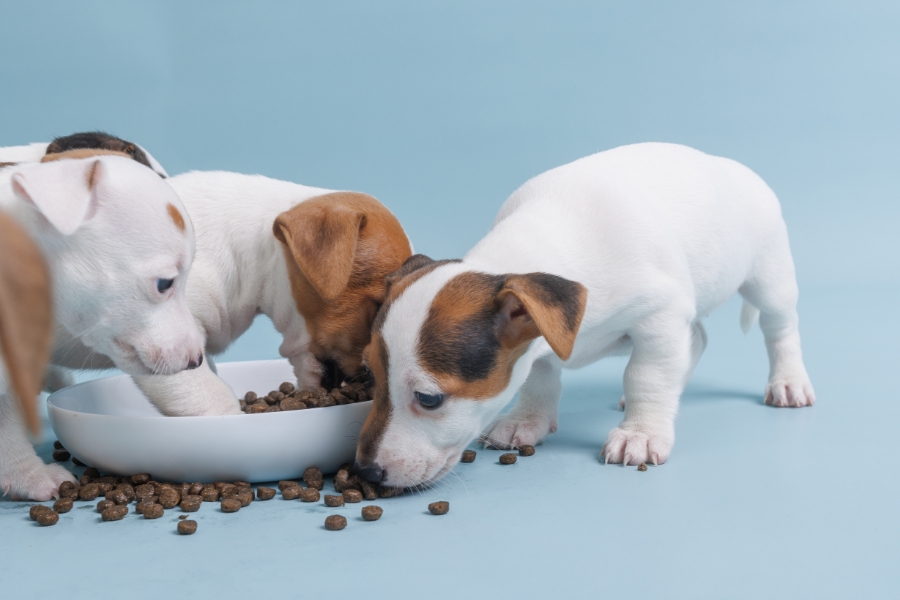

Bringing home a new puppy is an exciting experience filled with cuddles, playtime, and plenty of learning moments. One of the most important responsibilities for any pet owner is providing proper nutrition during the early stages of growth. Puppies grow rapidly, and their bodies require the right balance of nutrients to support strong bones, healthy muscles, brain development, and a strong immune system.
At Union Hill Animal Hospital in Canton, we believe that a healthy diet is one of the best ways to give your puppy the best possible start in life. This vet-recommended puppy feeding guide will help you understand what, when, and how much to feed your growing companion.
Why Proper Puppy Nutrition Matters
Puppies have different nutritional needs than adult dogs. During the first year of life, they experience rapid physical and mental development. Feeding an unbalanced diet can lead to growth problems, digestive issues, obesity, or nutrient deficiencies.
A complete and balanced puppy diet should provide:
- High-quality protein for muscle development
- Healthy fats for brain and skin health
- Calcium and phosphorus for strong bones and teeth
- Essential vitamins and minerals
- DHA for cognitive development
Choosing the right food now can help reduce the risk of health problems later in life.
How Often Should You Feed a Puppy?
Puppies require frequent meals because they burn energy quickly and have smaller stomachs than adult dogs.
Puppy Feeding Schedule by Age
6–12 Weeks Old
Young puppies should eat 4 meals per day. Frequent feeding helps maintain stable energy levels and supports rapid growth.
3–6 Months Old
At this stage, most puppies can transition to 3 meals per day. Their appetite may increase as they become more active.
6–12 Months Old
Most puppies can move to 2 meals per day. Larger breeds may continue growing beyond one year and may need a veterinarian-approved feeding plan.
Maintaining a consistent feeding schedule helps with digestion, house training, and overall routine.
Choosing the Right Puppy Food
Not all puppy foods are created equal. When shopping for food, look for products specifically labeled for puppies or “growth and development.”
What to Look for in Puppy Food
High-Quality Protein Sources
Protein supports healthy muscle and tissue growth. Look for real meat such as chicken, beef, turkey, or salmon listed as a primary ingredient.
Breed-Appropriate Nutrition
Large-breed puppies have different nutritional needs than small breeds. Large-breed formulas help regulate growth and reduce stress on developing joints.
Balanced Calcium and Phosphorus
Too much or too little calcium can affect bone development. Balanced mineral levels are especially important for growing puppies.
AAFCO Statement
Choose foods that meet the nutritional standards established by the Association of American Feed Control Officials (AAFCO).
Wet Food vs. Dry Food: Which Is Better?
Both wet and dry puppy foods can provide balanced nutrition when chosen carefully.
Benefits of Dry Food
- Helps support dental health
- Convenient to store and serve
- Often more cost-effective
Benefits of Wet Food
- Higher moisture content
- Appealing for picky eaters
- Easier for very young puppies to chew
Some pet owners choose a combination of both. Your veterinarian can help determine the best option for your puppy’s age, breed, and health needs.
How Much Should You Feed Your Puppy?
Feeding too much can contribute to obesity and joint problems, while feeding too little may affect healthy development.
Factors that influence portion size include:
- Age
- Breed
- Activity level
- Current weight
- Overall health
Start by following the feeding guidelines on the food packaging, but remember that these are general recommendations. Puppies grow at different rates, so routine weight checks and veterinary guidance are important.
If you notice excessive weight gain, visible ribs, or low energy levels, your puppy’s diet may need adjustment.
Healthy Treats and Snacks for Puppies
Treats can be useful for training and bonding, but they should only make up about 10% of your puppy’s daily calorie intake.
Healthy Puppy Treat Ideas
- Small training treats
- Plain cooked chicken
- Carrot slices
- Blueberries
- Puppy-safe dental chews
Avoid feeding table scraps or high-fat human foods, as they can upset your puppy’s stomach or lead to unhealthy weight gain.
Foods Puppies Should Never Eat
Certain foods are dangerous or toxic to dogs and should always be avoided.
Toxic Foods for Puppies
- Chocolate
- Grapes and raisins
- Onions and garlic
- Xylitol (artificial sweetener)
- Alcohol
- Caffeine
- Cooked bones
- Macadamia nuts
If your puppy accidentally eats something toxic, contact your veterinarian immediately.
Transitioning to a New Puppy Food
Changing your puppy’s food too quickly can cause digestive upset, including vomiting or diarrhea.
How to Safely Transition Foods
Gradually introduce the new food over 7–10 days:
- Days 1–2: 75% old food, 25% new food
- Days 3–4: 50% old food, 50% new food
- Days 5–6: 25% old food, 75% new food
- Day 7 onward: 100% new food
Slow transitions allow your puppy’s digestive system to adjust comfortably.
Common Puppy Feeding Mistakes
Even well-meaning pet owners can make feeding mistakes that affect long-term health.
Free Feeding All Day
Leaving food out constantly may lead to overeating and difficulty establishing routines.
Overfeeding Treats
Too many treats can cause weight gain and nutritional imbalance.
Feeding Adult Dog Food Too Early
Puppies need higher nutrient levels than adult dogs. Switching too soon may affect healthy development.
Ignoring Weight Changes
Regular weight monitoring is important during growth stages. Sudden changes should be discussed with your veterinarian.
Signs Your Puppy May Have a Nutritional Problem
Healthy puppies are energetic, curious, and steadily gaining weight. Nutritional issues may show up through physical or behavioral changes.
Watch for These Signs
- Poor growth
- Dull coat
- Digestive upset
- Low energy
- Excessive itching
- Difficulty maintaining weight
If you notice any concerning symptoms, schedule a veterinary evaluation promptly.
The Importance of Regular Veterinary Checkups
Routine veterinary visits are essential during puppyhood. Your veterinarian can monitor growth, recommend the right diet, and identify potential health concerns early.
At Union Hill Animal Hospital, our team is dedicated to helping puppies in Canton grow into healthy adult dogs through personalized preventive care and nutritional guidance.
Whether you have questions about feeding schedules, food allergies, weight management, or breed-specific nutrition, we’re here to help every step of the way.
Give Your Puppy the Best Start in Life
A healthy feeding routine lays the foundation for a long, active, and happy life. By choosing high-quality puppy food, feeding appropriate portions, and staying consistent with veterinary care, you can support your puppy’s growth and overall well-being.
If you need help creating the right nutrition plan for your puppy, the caring team at Union Hill Animal Hospital is here to assist. Book an appointment today to ensure your puppy receives the personalized care and nutritional support they need for healthy growth.
Frequently Asked Questions
1. How long should puppies eat puppy food?
Ans: Most puppies should stay on puppy food until they reach about 12 months of age. Large-breed dogs may need puppy food for a longer period depending on their growth rate.
2. Can I feed my puppy homemade food?
Ans: Homemade diets can be difficult to balance properly for growing puppies. Always consult your veterinarian before feeding a homemade diet to ensure your puppy receives complete nutrition.
3. Is grain-free food good for puppies?
Ans: Not all puppies need grain-free diets. In some cases, grain-free foods may not be appropriate unless recommended by your veterinarian for specific health reasons.
4. Why is my puppy always hungry?
Ans: Puppies grow rapidly and often have strong appetites. However, excessive hunger may indicate underfeeding, parasites, or other health concerns. Your veterinarian can help determine the cause.
5. How much water should my puppy drink?
Ans: Puppies should always have access to fresh, clean water. Water intake varies based on size, activity level, and diet.
6. When should I switch my puppy to adult dog food?
Ans: Most dogs transition to adult food around one year of age, though large breeds may transition later. Your veterinarian can recommend the ideal timing based on your puppy’s breed and growth.