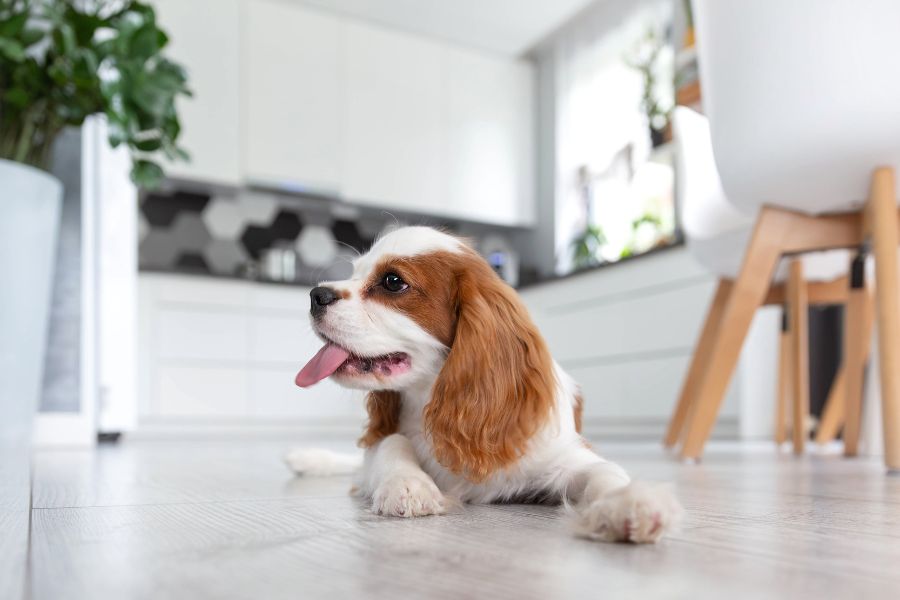
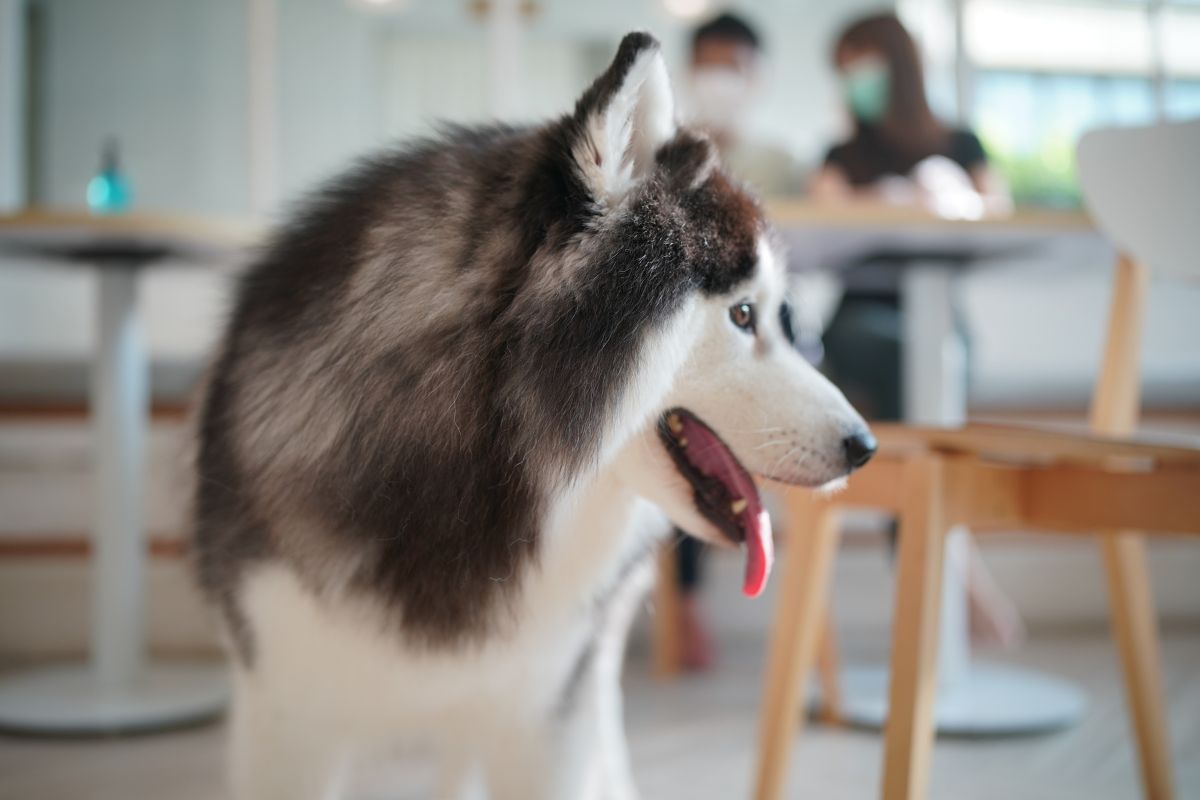
A gentle nibble from your dog can feel funny, ticklish, or even a little confusing. You may wonder why your dog lightly grabs your hand, arm, or clothing with the front teeth. In many cases, gentle nibbling is a normal form of canine communication. Dogs may nibble because they feel affectionate, want attention, feel excited, are exploring their surroundings, or simply enjoy interacting with you.
However, not every mouthy behavior means the same thing. Your dog’s age, body language, environment, and the intensity of the behavior can help explain what is happening. Puppies may nibble because they are teething, while adult dogs may use gentle mouthing during play or social interaction.
Understanding the reason behind the behavior can help you respond appropriately. It can also help you recognize when nibbling becomes unusual, painful, or concerning.
What Does It Mean When Your Dog Nibbles You?
Dog nibbling is often different from biting. A gentle nibble usually involves small, controlled movements of the front teeth without causing pain or breaking the skin. Some dogs repeatedly make this motion while relaxing beside their owners or receiving affection.
This behavior may be connected to social grooming. Dogs naturally interact with one another through licking, grooming, play, and gentle mouthing. When your dog nibbles you, they may be expressing comfort and social connection.
Your dog may also have learned that nibbling gets a reaction from you. If you laugh, talk, pet them, or begin playing after they nibble, your dog may repeat the behavior because it has become a successful way to get your attention.
The most important factor is context. A relaxed dog with a loose body and soft facial expression is communicating differently from a dog that appears tense, fearful, or uncomfortable.
Why Dogs Nibble as a Sign of Affection
Some dogs gently nibble their owners while being petted or relaxing together. This can be a social behavior that reflects trust and familiarity.
Dogs use their mouths for many forms of interaction. Gentle grooming behaviors can help strengthen relationships between dogs, and some pets may extend similar behaviors toward people they consider part of their social group.
If your dog approaches you calmly, remains relaxed, and gently nibbles without applying painful pressure, the behavior may simply be an affectionate interaction.
Still, affection does not mean you have to allow the behavior. If you dislike being nibbled, you can calmly redirect your dog toward an appropriate toy. Consistent boundaries help your dog understand which behaviors are acceptable.
Why Dogs Nibble When They Are Excited
Excitement is another common reason dogs become mouthy. Your dog may nibble your hands when you return home, prepare for a walk, start a game, or become energized during play.
This type of mouthing is often accompanied by other playful behaviors. Your dog may have a loose, wiggly body, move around energetically, bring you a toy, or repeatedly encourage you to interact.
Young dogs are especially likely to use their mouths during play. Since dogs do not have hands, they naturally rely on their mouths to grab toys and interact with other dogs.
The challenge comes when your dog learns that human hands are also appropriate play objects. Even if the behavior starts gently, allowing repeated hand mouthing can make it harder to establish appropriate boundaries.
If your dog becomes mouthy during exciting situations, pause the interaction and redirect them to a toy. Reward calm behavior and resume play when your dog is settled.
Puppy Nibbling and Teething: What Pet Owners Should Know
Puppies commonly nibble because they are exploring the world with their mouths. Teething can make this behavior even more noticeable.
As puppies lose their baby teeth and develop their adult teeth, their gums may feel uncomfortable. Chewing can provide stimulation and relief. A puppy may therefore chew on toys, furniture, clothing, fingers, or other available objects.
Puppies also learn about acceptable mouth pressure through social interactions. During play with other puppies, an overly hard bite may cause the other puppy to stop playing. Over time, these interactions help puppies develop better control over their mouths.
Pet owners can support this process by providing safe chew toys and redirecting mouthy behavior away from hands and clothing. Avoid turning your hands into toys, even during playful interactions, because puppies can learn that biting people is part of the game.
How to Tell Normal Nibbling From Problematic Biting
Understanding body language is one of the most useful ways to determine whether nibbling is harmless or needs attention.
A relaxed dog may have a loose body, soft eyes, a relaxed mouth, and an easygoing posture. Gentle nibbling in this context is usually less concerning.
On the other hand, you should pay closer attention if your dog becomes stiff, freezes, stares intensely, growls, snarls, raises the lips, or shows other signs of discomfort. These signals can indicate fear, stress, anxiety, guarding, or another behavioral concern.
Painful pressure is another important warning sign. Gentle mouthing should not regularly cause injuries. If your dog bites hard enough to leave marks, bruise the skin, or break the skin, the behavior should not simply be dismissed as affectionate nibbling.
The situation surrounding the behavior also matters. A dog that suddenly begins mouthy behavior after previously showing no interest in it may need closer observation.
When Your Dog’s Nibbling May Need Veterinary Attention
Sometimes changes in behavior can be associated with an underlying physical problem. If your dog suddenly becomes unusually mouthy, reacts differently to touch, or appears uncomfortable, it is worth considering whether pain or another health issue could be involved.
Watch for additional changes such as decreased appetite, excessive drooling, difficulty chewing, pawing at the mouth, bad breath, sensitivity around the face, changes in activity, or unusual irritability.
Oral discomfort can affect how a dog uses its mouth. A dog experiencing discomfort may behave differently during eating, chewing, play, or handling.
Behavioral changes can have many possible causes, so avoid assuming that nibbling automatically indicates a behavioral problem. A veterinary professional can assess your dog’s overall condition and help determine whether further evaluation is appropriate.
If you are searching for an animal clinic near you, choosing a veterinary team that can evaluate both physical and behavioral concerns can give you greater peace of mind.
How to Redirect Unwanted Dog Nibbling
If your dog’s nibbling is harmless but inconvenient, redirection is often a practical approach. Instead of scolding your dog, calmly offer an appropriate chew toy when they place their teeth on your hand.
Timing matters. Offer the toy as soon as the unwanted mouthing begins. When your dog accepts the toy, praise them calmly and continue the interaction in an appropriate way.
Consistency is important for everyone in the household. If one family member encourages hand mouthing while another discourages it, your dog may have difficulty understanding the desired behavior.
You can also reduce mouthy behavior by giving your dog appropriate outlets for play, chewing, exercise, and mental stimulation. Dogs that have regular opportunities to engage in healthy activities may be less likely to seek constant attention through unwanted mouthing.
Avoid physical punishment. Harsh responses can increase fear or confusion and may damage the trust between you and your pet.
How Pet Wellness Care Supports Healthy Behavior
Behavior does not exist separately from overall health. Changes in appetite, energy, sleep, movement, eating habits, or social behavior can sometimes provide important clues about your dog’s well-being.
Regular pet wellness care in Canton can help establish a baseline for your dog and give your veterinarian opportunities to discuss changes you have noticed at home. During routine veterinary visits, you can also bring up questions about chewing, mouthing, social behavior, nutrition, exercise, and other everyday concerns.
Keeping track of when your dog nibbles can also be useful. Notice whether it happens during play, after petting, around mealtimes, when your dog is tired, or during exciting situations. This information can help identify patterns.
If the behavior is accompanied by signs of pain, fear, aggression, or a significant change from your dog’s normal habits, discuss it with a veterinary professional rather than trying to correct it solely through training.
Supporting Your Dog With Consistent Boundaries
Dogs learn through repetition. Clear and consistent responses can help them understand what you expect.
If gentle nibbling is acceptable occasionally, make sure everyone understands the circumstances in which it is allowed. If you prefer that your dog never mouths human skin, consistently redirect the behavior to toys.
Rewarding desirable behavior is also important. When your dog chooses a toy instead of your hand, settles calmly, or engages appropriately during play, reinforce that choice with praise, attention, or another reward your dog enjoys.
For puppies, early guidance can make a significant difference. Teaching appropriate chewing habits and gentle interaction helps establish boundaries that can continue into adulthood.
If you are looking for an animal hospital in Canton, a veterinary team can also help you distinguish between normal developmental or social behaviors and changes that deserve closer attention.
Understanding Your Dog’s Nibbling Behavior
Your dog’s gentle nibbling is often a form of communication rather than a sign that something is wrong. Affection, excitement, play, teething, exploration, and learned attention-seeking can all contribute to mouthy behavior. The key is to consider the circumstances and your dog’s body language instead of focusing only on the nibbling itself.
When the behavior becomes painful, suddenly changes, or occurs with signs of discomfort or stress, professional guidance is appropriate. Consistent redirection, suitable chew toys, positive reinforcement, and healthy boundaries can help your dog develop appropriate habits.
If you have concerns about your dog’s behavior or overall health, schedule for an appointment with a trusted veterinary professional. Union Hill Animal Hospital provides compassionate veterinary support for families seeking dependable care and guidance for their pets in Canton.
Frequently Asked Questions
1. Why does my dog gently nibble my hand?
Ans: Gentle nibbling may be related to affection, social grooming, play, attention-seeking, excitement, or exploration. Look at your dog’s overall body language to understand the behavior.
2. Is dog nibbling a sign of aggression?
Ans: Not necessarily. A relaxed dog that gently nibbles without causing pain is usually displaying a different behavior from a dog that becomes stiff, growls, snarls, or bites forcefully.
3. Why does my puppy constantly nibble me?
Ans: Puppies naturally explore with their mouths, and teething can increase their desire to chew. Providing appropriate chew toys and redirecting them away from hands can help establish better habits.
4. How can I stop my dog from nibbling on me?
Ans: Calmly remove your hand and redirect your dog to an appropriate toy. Reward the dog for engaging with the toy and remain consistent rather than using punishment.
5. When should I worry about my dog’s nibbling?
Ans: Seek professional advice if the behavior becomes sudden or intense, causes injury, or occurs alongside signs such as pain, excessive drooling, difficulty eating, fear, stiffness, growling, or unusual irritability.
6. Can a veterinarian help with unusual mouthy behavior?
Ans: Yes. A veterinarian can assess your dog for possible physical concerns and discuss behavioral patterns. This is especially helpful when nibbling is new, persistent, painful, or accompanied by other changes.