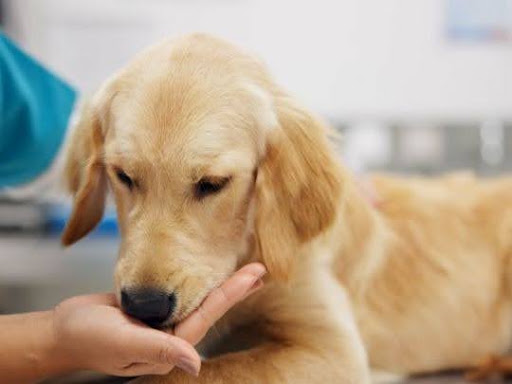

If your pet is having trouble urinating, it can be a stressful situation for families in Canton and nearby areas. Seeing repeated attempts to pee, discomfort, or only a small amount of urine can make pet owners wonder what is causing the problem and how quickly they need to act. At Union Hill Animal Hospital, pet owners can receive veterinary guidance and support when their pets have urinary concerns.
Straining to urinate is a symptom that may develop because of several different health concerns. Some causes may be minor, while others may require prompt medical attention. Understanding the possible reasons behind this behavior can help you recognize warning signs and make timely decisions for your pet’s health.
What Does It Mean When a Dog Strains to Urinate?
When a dog strains to urinate, it means they are having difficulty passing urine normally. You may notice frequent urges to pee, longer bathroom breaks, small amounts of urine, or visible discomfort during urination.
Urinary problems can result from irritation, inflammation, infection, mineral buildup, or a blockage that affects urine flow. Since many conditions can cause similar signs, a veterinary examination is important to identify the underlying concern.
Common Causes of Urinary Straining in Dogs
Urinary Tract Infections
A urinary tract infection can irritate the bladder and urinary passage, making urination uncomfortable. Pets with a urinary infection may need to urinate more often, have accidents inside the home, or show changes in urine odor.
A veterinarian may recommend urine testing to check for infection, inflammation, crystals, or other changes that can help determine the right treatment approach.
Bladder Stones and Urinary Crystals
Bladder stones form when minerals accumulate and form hard deposits in the urinary system. These stones can irritate the bladder and may make urination painful.
Some pets may strain frequently, pass only small amounts of urine, or have blood in their urine. Depending on the situation, treatment may involve dietary changes, medication, monitoring, or additional procedures.
Urinary Blockage
A urinary blockage occurs when something prevents urine from leaving the body properly. This may happen due to stones, mineral buildup, or other physical problems.
Repeated straining with little or no urine production can be a serious warning sign. If urine cannot pass normally, the condition may become more severe and requires prompt veterinary attention.
Bladder Inflammation and Other Health Issues
Inflammation of the bladder, age-related changes, prostate concerns in some male pets, and other medical conditions can also affect urination.
Because urinary symptoms can have several possible causes, it is important not to assume the reason based only on visible signs. A veterinarian can perform an examination and recommend appropriate testing.
Signs That May Occur With Urinary Problems
Along with straining, pet owners may notice other changes that indicate urinary discomfort, including:
- Frequent attempts to urinate
- Blood in the urine
- Accidents inside the home
- Licking around the urinary area
- Changes in appetite or energy levels
- Signs of pain or restlessness
- Increased thirst
Paying attention to these changes can help your veterinarian better understand when the problem started and how it is affecting your pet.
How Veterinarians Diagnose Urinary Problems
A veterinary evaluation begins with a discussion about symptoms, bathroom habits, water intake, diet, and medical history. Your veterinarian will also perform a physical examination to look for possible signs of illness.
Diagnostic testing may include:
- Urinalysis to evaluate urine health
- Urine culture to check for certain infections
- Blood tests to assess overall health
- X-rays or ultrasound to look for stones or other concerns
These tests help identify the possible cause of urinary difficulty and allow the veterinary team to recommend appropriate care.
Dr. Stallings evaluates each pet’s condition carefully and helps families understand the available options when urinary concerns affect their companion.
Treatment Options for Urination Problems
Treatment depends on the cause of the difficulty. A veterinarian may recommend:
- Medication for certain infections or inflammation
- Nutrition changes for some urinary conditions
- Increased water intake strategies
- Monitoring for mild cases
- Additional procedures for stones or blockages
Pet owners should never give human medications or adjust prescribed treatments without veterinary guidance. Some medications that are safe for people can be harmful to animals.
When Should You Seek Emergency Care for Your Pet?
Some urinary concerns may require prompt attention, especially when symptoms appear suddenly or worsen. Pet urgent care may be needed if your pet is repeatedly straining, showing signs of pain, or having trouble urinating.
Contact your veterinary team promptly if your pet:
- Cannot pass urine
- Produces little or no urine despite repeated attempts
- Shows severe discomfort
- Becomes weak or unusually quiet
- Has vomiting along with urinary problems
Call our animal hospital now if you are concerned about your pet’s urinary symptoms and need guidance about the next step.
Ways to Support Urinary Health
While urinary issues cannot always be prevented, certain habits may help support your pet’s overall urinary wellness.
Helpful steps include:
- Providing fresh water daily
- Encouraging regular bathroom breaks
- Scheduling routine veterinary checkups
- Following recommended nutrition plans
- Monitoring changes in urination habits
Early attention to unusual behaviors can help identify problems before they become more difficult to manage.
How Veterinary Care Helps With Urinary Concerns
Urinary difficulty can affect your pet’s comfort and daily routine. Professional evaluation helps determine whether the issue is related to infection, stones, inflammation, or another medical concern.
Pet urgent care services allow pets with sudden health concerns to receive timely evaluation and appropriate recommendations. A veterinary team can assess symptoms, perform necessary testing, and guide you through the available treatment options.
Conclusion: Get Help When Your Pet Struggles to Urinate
Straining to urinate should not be ignored, especially when it continues or happens with other concerning symptoms. Since multiple conditions can cause similar urinary changes, a proper veterinary examination is the safest way to understand what is happening.
If your pet is experiencing urinary difficulty in Canton or nearby areas, Union Hill Animal Hospital is available to provide veterinary support and guidance. Call our hospital at +1 770-664-8380 urgently if your pet needs prompt attention through pet urgent care.
Frequently Asked Questions
1. Why is my dog trying to pee but only a few drops come out?
Ans: Passing only a few drops while repeatedly trying to urinate may happen because of infection, irritation, bladder stones, or a possible blockage. A veterinary examination can help determine the cause.
2. Is straining to urinate always an emergency?
Ans: Not every case requires emergency care, but repeated straining, inability to pass urine, blood in urine, or signs of pain should be evaluated by our veterinarian as soon as possible.
3. How do veterinarians check for urinary problems?
Ans: Veterinarians may use a physical examination, urinalysis, blood tests, and imaging to identify possible causes of urinary discomfort and recommend appropriate treatment.
4. Can urinary problems be prevented?
Ans: Some urinary problems may be reduced through proper hydration, regular bathroom breaks, routine veterinary visits, and following recommended diet and care plans.
5. Does Union Hill Animal Hospital treat urinary issues in pets?
Ans: Yes. Union Hill Animal Hospital provides veterinary evaluations for pets experiencing urinary symptoms and helps determine the right care approach for each individual case.
6. When should I bring my pet to a veterinarian for difficulty urinating?
Ans: You should seek veterinary care if your pet repeatedly strains, cannot urinate normally, shows signs of discomfort, or develops other symptoms such as weakness, vomiting, or blood in the urine.