
Your dog suddenly won’t put weight on one paw, and it looks puffy or larger than normal. Seeing a dog’s swollen paw is unsettling, especially when your pet won’t let you touch the area or seems restless from discomfort. Paw swelling can come from something as simple as a splinter or as serious as a broken bone or infection. The outside symptoms often look similar no matter the cause, which makes it hard to know how worried to be. A limping, licking, or whimpering dog deserves attention right away, even if the swelling looks mild at first. Some causes settle down with rest and simple home care, while others need prompt veterinary care to avoid lasting damage. Knowing what to watch for helps you decide how quickly to act. This guide walks through the common causes, warning signs, and next steps so you can make a confident, informed decision for your dog.
What Does a Swollen Paw Mean for Your Dog?
A swollen paw usually signals inflammation from an injury, insect bite, infection, or an object like a thorn or piece of glass trapped in the skin. Swelling is simply your dog’s body reacting to irritation or damage, and it can show up within minutes or build over several hours. In our experience, many swollen dog paw causes are minor, ranging from small cuts to bee stings that clear up with basic care.
Other swollen dog paw causes are less obvious, including allergic reactions, abscesses forming beneath the skin, or early signs of arthritis in older dogs. Veterinarians commonly note that paw and limb concerns make up a notable share, often cited around 15 to 20 percent, of walk-in visits for dogs each year. That statistic alone explains why this is such a common worry for pet owners.
Many people assume swelling always points to a broken bone, but that misconception isn’t accurate. A swollen paw is more often tied to soft tissue irritation than a fracture, though only an exam can confirm which one you’re dealing with.
Signs That Point to a Paw Problem Worth Watching
Not every swollen paw looks the same. Watch for these signals:
- Limping or refusing to bear weight on the affected leg
- Visible redness, heat, or discoloration around the paw
- Constant licking or chewing at one specific spot
- A foul odor or discharge coming from between the toes
- Whining or pulling away when the paw is touched
Pet owners often tell us they noticed the licking before they ever saw the swelling itself, since dogs tend to fuss over an area long before it becomes visibly puffy. A dog paw pad injury frequently starts this way, with subtle grooming behavior that escalates as irritation builds.
If you spot a dog paw pad injury with an open wound, embedded object, or spreading redness, that combination usually calls for a same-day vet visit rather than a wait-and-see approach. Mild swelling with no other symptoms can sometimes be monitored for a few hours before deciding next steps.
Common Causes and Risk Factors Behind Paw Swelling
Paw swelling has a wide range of causes, and knowing the common culprits helps you narrow things down. Cuts from glass, sharp rocks, or yard debris are frequent offenders, along with insect stings and allergic skin reactions. Active and outdoor-loving breeds tend to show up with paw injuries more often simply because they cover more rough terrain during walks and play.
In Georgia, we see this more often during the warmer months around Canton because hot pavement, fire ants, and thick grass all raise the risk of paw irritation. Foxtail grass and burrs can also work their way between the toes and cause swelling that looks worse than the actual injury underneath. Because these hazards are so common locally, urgent vet care in Canton pet owners trust often starts by ruling out grass awns or ant stings.
Age and breed play a role too. Older dogs are more prone to arthritis-related swelling in the joints near the paw, while breeds with thick fur between their toes can develop hidden hot spots that go unnoticed until swelling sets in. For older dogs, urgent vet care Canton residents seek out can catch arthritis flare-ups before they worsen.
Does a Swollen Paw Need a Vet Visit?
Yes, in most cases a swollen paw is worth a vet visit, especially with limping or hours-long swelling. A quick exam can rule out fractures, infection, and embedded objects that aren’t visible to the naked eye. Waiting too long on a hidden infection can turn a simple fix into a longer recovery.
Deciding whether a vet visit is needed is usually straightforward once you know the warning signs. Persistent limping, swelling that spreads, a foul smell, or a dog that won’t let you touch the paw at all are all strong signs that it’s time to get checked out. Mild puffiness with no pain and normal walking can often be watched at home for a short period first.
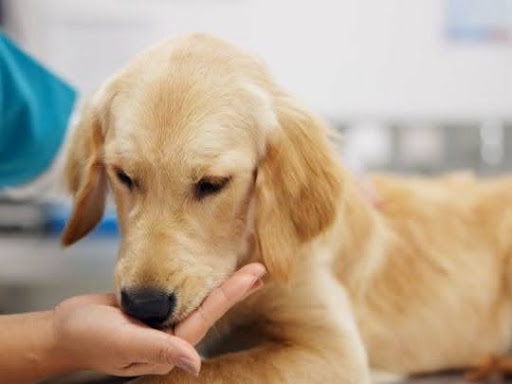
During a visit, your vet will typically start with a hands-on exam of the paw and toes. In our experience, a dog with a limping, swollen paw case usually begins with the vet checking for cuts, swelling patterns, and pain response before moving to imaging if needed. From there, treatment might involve cleaning the wound, removing a foreign object, prescribing medication for infection, or simply recommending rest and monitoring.
Treating a dog limping swollen paw at home should never include human pain medications, since many common over-the-counter drugs are unsafe for dogs. Your vet will determine the correct dosage and treatment plan based on your pet’s weight and health history.
When to Seek Prompt Veterinary Care for a Swollen Paw
If your dog’s paw swelling comes on suddenly, worsens quickly, or is paired with limping, lethargy, or a wound that won’t stop bleeding, it’s time to seek prompt veterinary care rather than waiting it out. One of the most common questions we get is whether a small amount of swelling can wait until morning, and the honest answer depends on whether your dog is still eating, walking, and acting normally.
At Union Hill Animal Hospital, our team sees paw injuries and swelling regularly among the dogs we treat in Canton, and we know how stressful it feels when your pet is hurting and you’re not sure why. A same-day exam gives you clear answers instead of guesswork, and it’s often the fastest path to relief for your dog. This is exactly the kind of situation pet urgent care exists for, since paw injuries rarely wait for a convenient appointment slot.
Call us at 770-664-8380 when your dog needs urgent care for a swollen or injured paw, and our team will help you get in quickly.
A swollen dog paw can range from a minor nuisance to a sign of something that needs closer attention, and the difference usually comes down to how the swelling behaves over the first few hours. Watching for limping, spreading redness, or changes in your dog’s mood gives you the clearest picture of what’s really going on. When in doubt, a hands-on exam is always the safer choice over guessing at home. Union Hill Animal Hospital is here for pet owners who want straight answers and steady care when a paw problem shows up unexpectedly. Trust your instincts, keep an eye on your dog’s comfort level, and reach out whenever something feels off. Book an appointment today.
Frequently Asked Questions
Q1: Can a swollen paw heal on its own without a vet visit?
Ans: Mild swelling from a minor bump or bee sting can sometimes resolve on its own within a day. However, swelling paired with limping, discharge, or a wound should always be checked by a veterinarian.
Q2: What home care is safe for a mildly swollen dog paw?
Ans: Gently rinsing the area with clean water and limiting activity can help with very mild swelling. Never apply human medications or ointments without veterinary guidance first.
Q3: Why does my dog keep licking a swollen paw?
Ans: Dogs lick irritated or painful areas as a natural response to discomfort. Excessive licking can also worsen swelling and introduce bacteria, so it’s worth having the area examined.
Q4: Are certain dog breeds more likely to get paw injuries?
Ans: Active, outdoor-oriented breeds tend to experience more cuts and punctures simply due to higher activity levels. Breeds with dense hair between the toes can also develop hidden irritation more easily.
Q5: How long does it typically take for paw swelling to go down?
Ans: Minor swelling often improves within one to two days with proper care. Swelling caused by infection or a retained object may take longer and usually requires veterinary treatment to resolve fully.