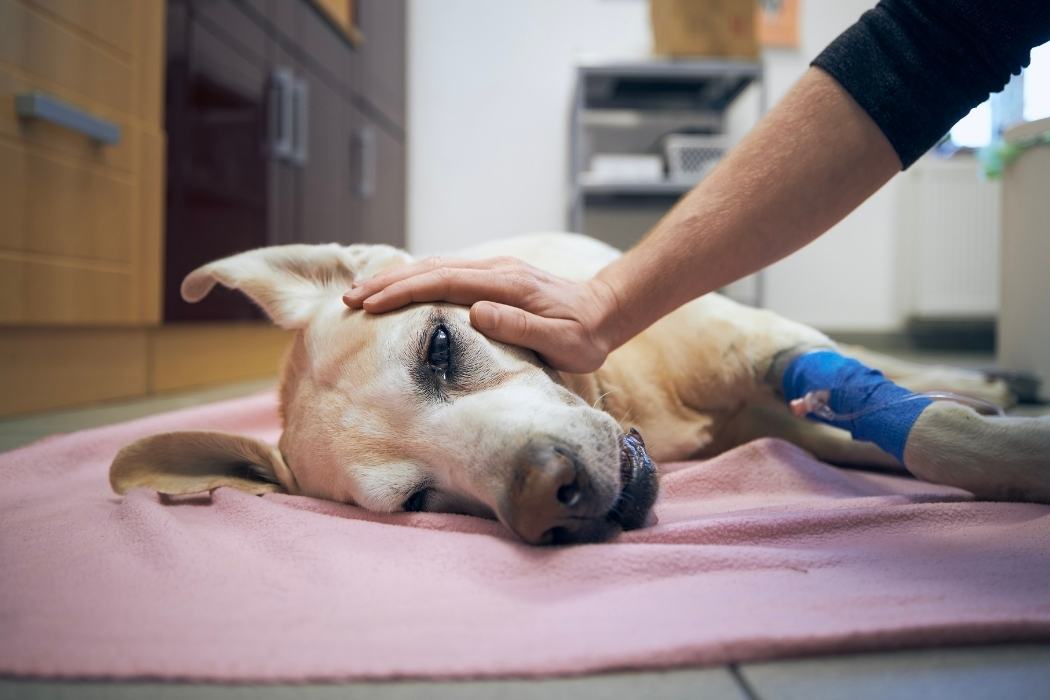
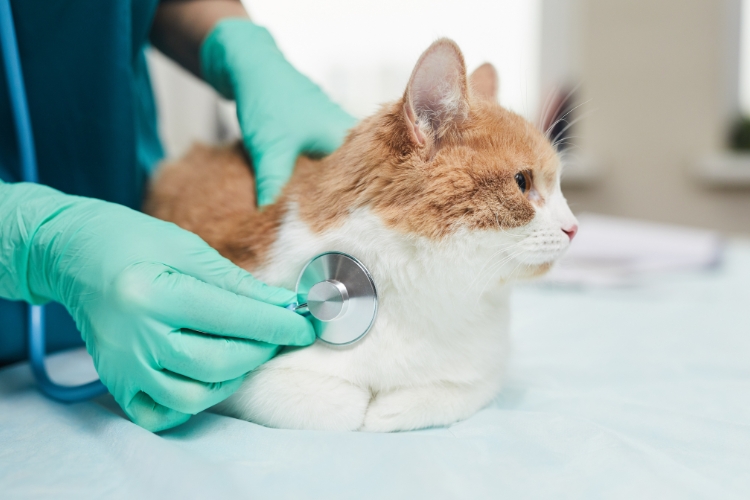
Pets bring companionship, joy, and emotional comfort to families. Because they are important members of the household, their health and well-being should always be a priority. While many pet owners focus on treating illnesses when they appear, preventive care is equally important. Routine veterinary visits allow professionals to monitor your pet’s health and detect potential problems before they become serious.
Preventive health strategies support strong immune systems, healthy development, and improved quality of life. Regular checkups also give pet owners the opportunity to ask questions and receive expert advice about nutrition, behavior, and overall health management.
Veterinarians play a key role in guiding owners through responsible pet ownership. From vaccinations to parasite prevention, these services help protect pets from diseases that could shorten their lifespan. This guide explains how regular veterinary visits and pet wellness care contribute to longer, healthier lives for dogs and cats. This blog is especially helpful for pet owners living in Canton, GA.
Understanding the Importance of Preventive Veterinary Care
Preventive care focuses on maintaining health rather than simply treating illness. In other words, it helps identify potential problems early, when they are easier and less expensive to manage.
During routine veterinary visits, professionals perform physical exams and evaluate your pet’s overall condition. They check vital signs, body weight, skin health, and mobility. These evaluations help detect subtle changes that might otherwise go unnoticed.
Additionally, preventive visits provide an opportunity to discuss lifestyle factors that influence your pet’s health. Diet, exercise, and environment all play important roles in maintaining long-term wellness.
When pets receive regular care throughout their lives, veterinarians can build a detailed medical history. As a result, they are better able to recognize abnormal changes and respond quickly when issues arise.
Early Detection of Health Problems
One of the biggest advantages of routine veterinary care is early disease detection. Many medical conditions develop gradually and may not show clear symptoms during the early stages.
For example, dental disease, arthritis, and certain infections often progress silently. Without regular examinations, these issues might remain unnoticed until they become severe.
Veterinarians can identify warning signs through physical exams, diagnostic tests, and routine screenings. Early detection allows treatment to begin sooner, which improves outcomes and prevents complications.
Moreover, identifying health concerns early can reduce treatment costs and minimize stress for both pets and their owners.
Vaccinations Protect Pets From Serious Diseases
Vaccinations are one of the most effective tools for protecting pets against infectious diseases. These preventive treatments stimulate the immune system to recognize and fight harmful pathogens.
Core vaccines for dogs and cats protect against serious illnesses such as rabies, distemper, and parvovirus. In addition, veterinarians may recommend non-core vaccines depending on lifestyle, environment, and exposure risks.
Keeping vaccinations up to date ensures your pet remains protected throughout different stages of life. It also helps prevent the spread of contagious diseases within the community.
Because vaccination schedules vary, veterinarians create personalized plans tailored to each pet’s needs.
Parasite Prevention for Year-Round Protection
Parasites pose serious health risks for pets. Fleas, ticks, heartworms, and intestinal parasites can cause discomfort, illness, and even life-threatening complications.
Routine veterinary visits include parasite screenings and preventive treatments. These measures protect pets from infestations and reduce the risk of disease transmission.
For example, heartworm disease is transmitted through mosquito bites and can severely damage the heart and lungs. Preventive medication significantly reduces the risk of infection.
Additionally, flea and tick prevention helps avoid skin irritation, allergic reactions, and certain bacterial diseases.
Consistent parasite prevention is a vital part of responsible pet ownership.
Dental Health and Its Impact on Overall Wellness
Many pet owners underestimate the importance of dental health. However, oral hygiene plays a major role in overall well-being.
Dental disease is one of the most common health issues in dogs and cats. Without proper care, plaque and tartar can accumulate on teeth and lead to infections, gum disease, and tooth loss.
Routine veterinary exams include oral health assessments. Veterinarians check for signs of inflammation, bad breath, and damaged teeth.
Professional cleanings may also be recommended to remove plaque buildup. These procedures help maintain healthy teeth and prevent bacteria from spreading to other organs.
Maintaining dental health improves comfort and contributes to better long-term health.
Nutritional Guidance for Optimal Health
Proper nutrition is essential for maintaining energy levels, supporting growth, and preventing disease. However, choosing the right diet can sometimes be confusing for pet owners.
Veterinarians provide expert recommendations based on factors such as age, breed, weight, and activity level. Puppies and kittens require different nutrients than adult or senior pets.
Additionally, certain medical conditions may require specialized diets. For example, pets with allergies, digestive issues, or kidney disease may benefit from therapeutic nutrition plans.
By discussing dietary needs during veterinary visits, owners can make informed decisions that support their pet’s health.
Weight Management and Exercise
Obesity is a growing problem among pets. Excess weight can lead to serious health conditions such as diabetes, joint problems, and heart disease.
Routine veterinary visits include weight monitoring and body condition assessments. If a pet is overweight, veterinarians can recommend safe weight management strategies.
These strategies may include dietary adjustments, portion control, and increased physical activity.
Regular exercise also supports mental stimulation and behavioral health. Activities such as walking, interactive play, and training sessions help keep pets active and engaged.
Maintaining a healthy weight significantly improves a pet’s lifespan and quality of life.
Behavioral and Lifestyle Support
Behavioral issues can affect both pets and their owners. Problems such as excessive barking, anxiety, or destructive behavior may indicate underlying stress or health concerns.
Veterinarians often discuss behavior during routine visits. They can identify potential triggers and provide practical solutions.
Training techniques, environmental enrichment, and structured routines often help improve behavior. In some cases, medical evaluations may be needed to rule out health conditions contributing to behavioral changes.
Guidance from veterinary professionals ensures pets remain happy and well-adjusted within their homes.
The Role of Pet Wellness Exams
Comprehensive wellness exams are a key component of preventive veterinary care. These visits evaluate multiple aspects of health to ensure pets remain in optimal condition.
A typical wellness exam may include:
- Physical examination
- Vaccination updates
- Parasite screening
- Weight evaluation
- Dental assessment
- Nutritional consultation
These services work together to support long-term health. As pets age, wellness exams may also include blood tests or diagnostic imaging to monitor organ function.
Consistent monitoring through pet wellness care helps veterinarians detect early changes and maintain overall health.
Building a Long-Term Partnership With Your Veterinarian
Veterinary care works best when pet owners and professionals collaborate closely. Building a long-term relationship with a trusted veterinarian ensures your pet receives consistent and personalized care.
Regular communication allows veterinarians to understand your pet’s lifestyle, behavior, and medical history. This knowledge helps them provide more accurate diagnoses and recommendations.
Additionally, pet owners feel more confident asking questions and discussing concerns when they have an established relationship with their veterinary team.
Together, this partnership supports the health and happiness of your pet throughout every stage of life
Routine veterinary care plays a vital role in helping pets live longer, healthier lives. Preventive visits allow veterinarians to detect health problems early, provide vaccinations, manage parasites, and offer expert advice about nutrition and behavior.
By prioritizing regular checkups and preventive services, pet owners can protect their companions from many common health issues. Consistent care also improves quality of life and strengthens the bond between pets and their families.
If you are in Canton, GA and need guidance related to wellness care for pets, book an appointment with Union Hill Animal Hospital. Our veterinary team is dedicated to supporting your pet’s long-term health and helping them live a happy, active life.
FAQs
Q1. How often should pets visit the veterinarian?
Ans. Most pets should visit the veterinarian at least once a year for routine wellness exams. Puppies, kittens, and senior pets may require more frequent visits.
Q2. Why are routine veterinary checkups important?
Ans. Routine checkups help detect health issues early, provide vaccinations, and monitor your pet’s overall health and development.
Q3. What happens during a pet wellness exam?
Ans. A wellness exam typically includes a physical examination, weight check, vaccination review, parasite screening, and discussion of diet and lifestyle.
Q4. Can preventive care really extend a pet’s lifespan?
Ans. Yes. Preventive care helps detect diseases early and prevents infections, which significantly improves long-term health and lifespan.
Q5. How can I keep my pet healthy between vet visits?
Ans. Provide balanced nutrition, regular exercise, parasite prevention, dental care, and plenty of mental stimulation.
Q6. Are wellness exams necessary for indoor pets?
Ans. Yes. Even indoor pets need routine veterinary visits because they can still develop health issues that require monitoring and preventive care.