As temperatures rise during the summer months, pet owners need to take extra precautions to protect their aging companions. While all pets can be affected by hot weather, senior pets are particularly vulnerable to heat-related illnesses due to age-related changes in their bodies. Older dogs and cats may have a harder time regulating their body temperature, making them more susceptible to dehydration, heat exhaustion, and other serious health concerns.
Understanding how extreme heat affects senior pets and taking preventive measures can help them remain comfortable, healthy, and active throughout the summer season. Regular pet wellness care plays an important role in identifying potential health concerns and ensuring your pet is prepared for warmer weather.
Why Senior Pets Are More Sensitive to Heat
As pets age, their bodies undergo changes that can make it more difficult to cope with extreme temperatures. Senior pets often experience reduced cardiovascular function, decreased mobility, and slower recovery from physical stress. These factors can significantly increase the risk of heat-related complications.
Older pets may also be less active than younger animals, making it harder for them to cool themselves naturally. Some senior pets may have chronic conditions affecting their respiratory system, joints, or metabolism, which can further increase their sensitivity to hot weather.
Because of these factors, pet owners should be especially vigilant during the summer months and adjust their routines to accommodate their aging pets’ needs.
Recognizing the Signs of Heat Stress in Senior Pets
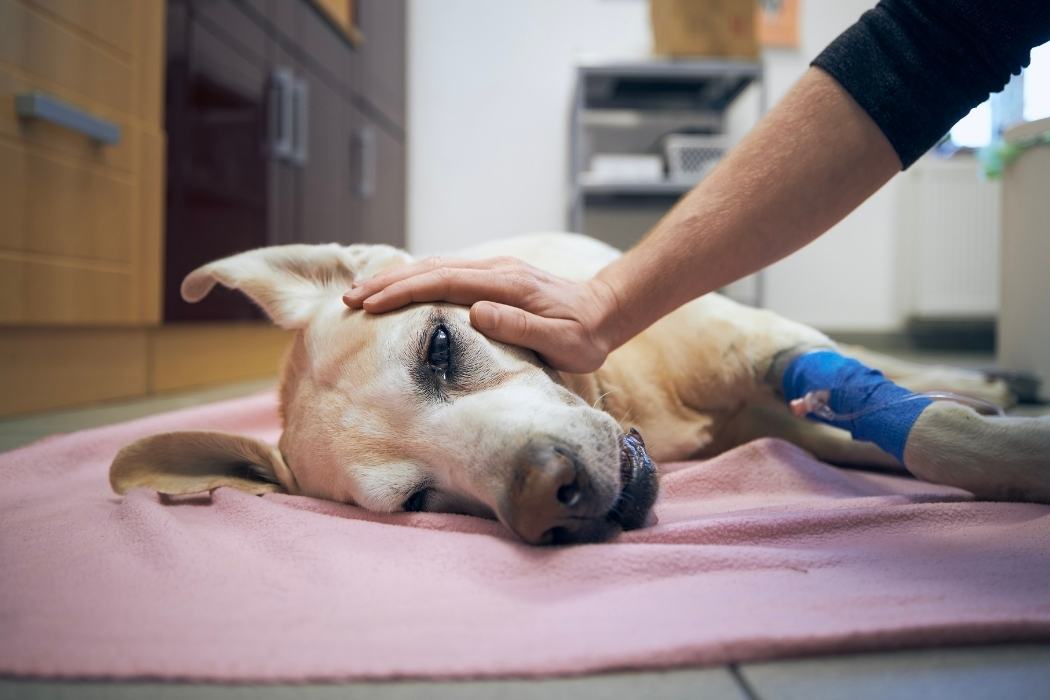
Early recognition of heat stress can help prevent a minor issue from becoming a medical emergency. Pet owners should closely monitor their senior pets for signs that indicate they may be struggling with the heat.
Common symptoms include:
- Excessive panting
- Increased drooling
- Weakness or lethargy
- Difficulty walking
- Rapid heart rate
- Bright red gums
- Vomiting or diarrhea
- Confusion or disorientation
- Collapse or loss of consciousness
If your senior pet exhibits any of these symptoms, move them to a cool environment immediately and seek veterinary attention as soon as possible.
The Importance of Hydration During Hot Weather
Proper hydration is one of the most effective ways to help senior pets stay safe during summer. Older pets can become dehydrated more quickly than younger animals, especially during periods of extreme heat.
Ensure your pet always has access to fresh, clean water both indoors and outdoors. Consider placing multiple water stations throughout your home so your pet can easily reach them without exerting excessive energy.
Some pets may benefit from:
- Water fountains that encourage drinking
- Additional water bowls in frequently used areas
- Ice cubes added to water dishes
- Moisture-rich pet foods recommended by your veterinarian
Monitoring water intake can provide valuable insight into your pet’s overall health and comfort during warmer months.
Creating a Cool and Comfortable Home Environment
Providing a cool living environment is essential for protecting senior pets from heat-related illnesses. Indoor temperatures should remain comfortable, especially during the hottest parts of the day.
Helpful strategies include:
Use Air Conditioning When Possible
Air conditioning helps maintain a stable indoor temperature and reduces the risk of overheating. If air conditioning is unavailable, fans can improve airflow and comfort.
Block Excessive Sunlight
Closing blinds, curtains, or shades during peak sunlight hours can significantly reduce indoor heat buildup.
Provide Cooling Rest Areas
Senior pets often appreciate cool surfaces where they can relax. Tile floors, cooling mats, and shaded resting areas can help regulate body temperature.
Limit Access to Hot Spaces
Garages, sunrooms, and enclosed porches can become dangerously hot during summer. Restrict access to these areas when temperatures rise.
Adjusting Exercise Routines for Senior Pets
Physical activity remains important for maintaining mobility and overall wellness in senior pets. However, exercise routines should be adjusted during hot weather.
Walk During Cooler Hours
Early morning and late evening are generally the safest times for outdoor walks. Temperatures are lower, reducing the risk of overheating.
Shorten Exercise Sessions
Senior pets may tire more quickly during summer. Shorter, more frequent walks are often safer than extended periods of activity.
Watch for Signs of Fatigue
Pay close attention to your pet’s behavior during exercise. Excessive panting, slowing down, or reluctance to continue may indicate they need a break.
Choose Shaded Routes
Whenever possible, walk in shaded areas to minimize sun exposure and reduce heat absorption.
Protecting Sensitive Paws from Hot Surfaces
Hot pavement, asphalt, and concrete can cause painful burns to a pet’s paw pads. Senior pets may be particularly vulnerable because their skin can become more sensitive with age.
Before taking your pet outside, test pavement temperatures by placing the back of your hand on the surface for several seconds. If it feels too hot for your hand, it is too hot for your pet’s paws.
Alternative options include:
- Walking on grass whenever possible
- Choosing shaded pathways
- Using protective pet booties when appropriate
- Limiting outdoor time during peak heat hours
Taking these precautions can help prevent painful injuries and improve your pet’s comfort.
Summer Grooming and Coat Care
Proper grooming can help senior pets stay more comfortable during the summer months. Regular brushing removes excess fur, improves air circulation through the coat, and reduces matting.
However, pet owners should avoid shaving coats unless specifically advised by a veterinarian or professional groomer. Many coats provide natural insulation that helps regulate body temperature.
Routine grooming also provides an opportunity to check for:
- Skin irritation
- Lumps or bumps
- Parasites
- Areas of discomfort
Regular inspections can support ongoing pet wellness care and help identify issues before they become more serious.
Special Considerations for Senior Pets with Health Conditions
Many older pets live with age-related health concerns that can make summer heat even more challenging.
Conditions that may increase heat sensitivity include:
Heart Disease
Pets with cardiovascular conditions may struggle to regulate body temperature efficiently and may become fatigued more quickly.
Respiratory Disorders
Breathing difficulties can worsen during periods of high heat and humidity.
Arthritis and Mobility Issues
Senior pets with arthritis may find it difficult to move to cooler areas or access water sources.
Weight Management Concerns
Overweight pets often retain more body heat, increasing the risk of overheating.
Routine examinations and ongoing pet wellness care help identify these risks and allow veterinarians to recommend appropriate summer management strategies.
Travel Safety for Senior Pets During Summer
Summer often brings road trips and family vacations. If your senior pet will be traveling, extra planning is essential.
Important travel precautions include:
- Never leaving pets unattended in vehicles
- Bringing plenty of fresh water
- Taking frequent breaks during long trips
- Maintaining a comfortable vehicle temperature
- Packing medications and medical records if needed
Even on moderately warm days, vehicle interiors can become dangerously hot within minutes, creating life-threatening conditions for pets.
Preventive Care Helps Senior Pets Stay Healthy Year-Round
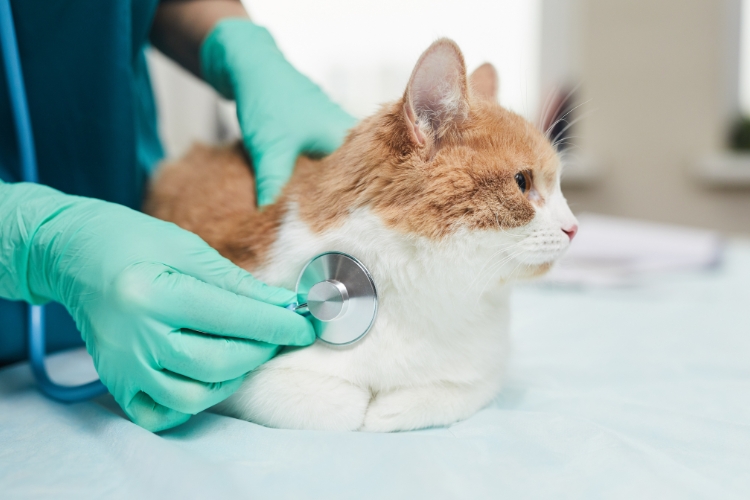
Preventive veterinary care remains one of the most valuable tools for protecting senior pets throughout every season. Regular wellness examinations allow veterinary professionals to monitor age-related changes, evaluate overall health, and identify concerns before they progress.
Through comprehensive pet wellness care, veterinarians can assess hydration status, mobility, weight management, and other factors that influence a senior pet’s ability to tolerate summer temperatures safely.
If you notice changes in your pet’s behavior, energy levels, or comfort during warm weather, it is important to schedule for an appointment and discuss your concerns with a veterinary professional.
Helping Senior Pets Enjoy a Safe Summer in Canton
Summer should be a time for enjoying longer days and outdoor activities with your beloved companion. By understanding the unique challenges older pets face during extreme temperatures, pet owners can take proactive steps to reduce risks and promote comfort.
Providing adequate hydration, adjusting exercise routines, maintaining a cool environment, and prioritizing regular pet wellness care can make a significant difference in your pet’s health and quality of life.
For pet owners seeking trusted support from a Canton animal hospital, the experienced team at Union Hill Animal Hospital is dedicated to helping senior pets remain healthy, comfortable, and safe throughout every season. Through personalized care and ongoing wellness services, Union Hill Animal Hospital proudly supports the lifelong health of pets in the Canton community.
Frequently Asked Questions
1. Why are senior pets more likely to suffer from heat-related illnesses?
Ans: Senior pets often have reduced ability to regulate body temperature and may have age-related health conditions that increase their sensitivity to heat.
2. How can I tell if my pet is becoming dehydrated?
Ans: Common signs include dry gums, excessive panting, lethargy, reduced appetite, and decreased skin elasticity.
3. What is the safest time to walk my senior dog during summer?
Ans: Early morning and late evening are typically the safest times because temperatures are cooler and surfaces are less likely to burn paw pads.
4. Can indoor pets still be affected by extreme heat?
Ans: Yes. Indoor pets can experience heat stress if indoor temperatures become too high or if ventilation is inadequate.
5. How much water should my senior pet drink during hot weather?
Ans: Water needs vary based on size, activity level, and health status. Fresh water should always be available, and any significant changes in drinking habits should be discussed with your veterinarian.
6. How often should senior pets receive wellness examinations?
Ans: The frequency depends on your pet’s age and overall health. Regular pet wellness care visits help monitor changes and support long-term health management.