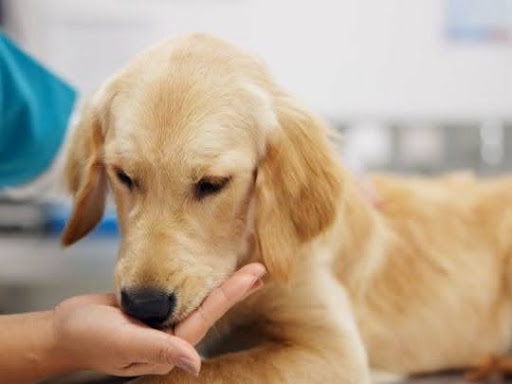

As a pet owner, you do everything you can to keep your furry companion happy and healthy. Even with the best care, unexpected health concerns can arise that require prompt medical attention. Knowing when your pet should be seen by a veterinarian can make a significant difference in their comfort, recovery, and overall well-being.
Understanding what urgent veterinary care involves helps you make informed decisions when your pet develops an illness or suffers an injury that shouldn’t wait for a routine appointment. Whether your dog suddenly starts limping or your cat stops eating, recognizing the signs of a problem is an important part of responsible pet ownership.
If you’re searching for urgent pet care near you or reliable pet urgent care Canton, this guide explains what every pet owner should know about recognizing common concerns, acting quickly, and supporting their pet’s health.
What Is Urgent Veterinary Care?
Urgent veterinary care focuses on illnesses and injuries that require timely evaluation but can often be managed during regular veterinary hospital hours. These situations shouldn’t be ignored because delaying treatment may allow the condition to worsen or prolong your pet’s discomfort.
Veterinary professionals evaluate your pet, perform a physical examination, recommend diagnostic testing when needed, and create an appropriate treatment plan based on their findings.
Why Prompt Veterinary Care Matters
Pets often hide signs of pain or illness until a condition becomes more noticeable. By the time symptoms appear, the underlying issue may already be progressing.
Seeking prompt veterinary care offers several benefits, including:
- Earlier diagnosis of health concerns
- Faster relief from pain and discomfort
- Reduced risk of complications
- Better treatment outcomes
- Greater peace of mind for pet owners
When you’re unsure whether your pet needs medical attention, it’s always safer to contact your veterinarian for guidance.
Signs Your Pet Should Be Evaluated Promptly
Recognizing abnormal behavior is one of the best ways to protect your pet’s health. Contact your veterinarian if you notice any of the following:
Vomiting or Diarrhea That Continues
Occasional stomach upset may resolve on its own, but repeated vomiting or diarrhea can quickly lead to dehydration and may indicate digestive illness, dietary indiscretion, parasites, or other medical concerns.
If symptoms continue or your pet becomes weak, lethargic, or refuses food and water, they should be evaluated promptly.
Difficulty Walking or Limping
A sudden limp, reluctance to bear weight, or noticeable stiffness can result from muscle strains, ligament injuries, joint problems, or paw injuries.
Your veterinarian can determine the cause and recommend appropriate treatment to improve comfort and mobility.
Cuts, Scrapes, or Bite Wounds
Even wounds that appear minor can become infected if left untreated. Bite wounds are particularly concerning because bacteria may be introduced beneath the skin, where damage is not always visible.
Prompt cleaning and evaluation help reduce the risk of complications.
Persistent Coughing or Sneezing
Occasional coughing or sneezing isn’t always serious, but persistent respiratory symptoms deserve veterinary attention.
Your veterinarian can determine whether allergies, infections, airway irritation, or another condition is responsible.
Changes in Eating or Drinking Habits
If your pet suddenly refuses meals, drinks significantly more or less water than usual, or experiences noticeable weight changes, it may signal an underlying health issue.
These changes should never be ignored, especially if they continue for more than a day.
Eye Problems
Redness, swelling, squinting, discharge, or excessive tearing can all indicate eye conditions requiring prompt evaluation.
Because eye issues can worsen quickly, early treatment is often the best approach.
Skin Irritation and Allergic Reactions
Excessive scratching, chewing, redness, hair loss, hives, or inflamed skin can cause significant discomfort.
Veterinary care helps identify the underlying cause and provides treatment to relieve itching and inflammation.
Common Injuries That Benefit From Prompt Care
Active pets enjoy exploring, running, and playing, but accidents sometimes happen.
Some of the more common injuries veterinarians evaluate include:
- Torn nails
- Paw pad injuries
- Minor cuts
- Soft tissue injuries
- Sprains
- Insect stings
- Ear injuries
- Tail injuries
- Broken or damaged toenails
Although some injuries may appear minor, professional evaluation helps ensure proper healing and prevents infection or additional damage.
What to Expect During an Urgent Veterinary Visit
Knowing what happens during your visit can make the experience less stressful for both you and your pet.
Your veterinarian will typically:
- Review your pet’s medical history
- Discuss recent symptoms
- Perform a complete physical examination
- Recommend diagnostic tests if needed
- Explain the diagnosis
- Develop a personalized treatment plan
- Provide home-care instructions and follow-up recommendations
Every pet is different, so treatment is always tailored to their specific condition.
How to Know When It’s Time to Call Your Veterinarian
Many pet owners wonder whether they should monitor symptoms at home or schedule a same-day appointment.
It’s a good idea to contact your veterinarian if your pet:
- Seems unusually tired
- Refuses multiple meals
- Has ongoing vomiting or diarrhea
- Shows signs of pain
- Has difficulty walking
- Develops a wound
- Experiences persistent coughing
- Has eye irritation
- Displays sudden behavior changes
When in doubt, a quick phone call can help determine the best next step.
Preparing for Unexpected Pet Health Concerns
While no one can predict when a pet may become ill or injured, a little preparation goes a long way.
Keep your veterinarian’s contact information easily accessible, know your hospital’s business hours, and become familiar with your pet’s normal eating habits, activity level, and behavior. This makes it easier to recognize when something isn’t right.
It’s also helpful to keep a basic pet first-aid kit at home for temporary care until your veterinarian can examine your pet.
Supporting Your Pet’s Recovery
Following your veterinarian’s instructions is essential for a smooth recovery.
Depending on your pet’s condition, recovery may include:
- Rest and activity restriction
- Prescription medications
- Bandage care
- Dietary recommendations
- Follow-up examinations
- Monitoring healing progress at home
Avoid giving your pet human medications unless specifically directed by your veterinarian, as many common medications can be harmful to animals.
Finding Reliable Pet Urgent Care in Canton
When your pet needs prompt medical attention, choosing an experienced veterinary team provides confidence and peace of mind.
If you’ve been searching online for urgent pet care near you or trusted pet urgent care Canton, selecting a hospital that offers compassionate care, thorough evaluations, and personalized treatment helps ensure your pet receives the attention they deserve.
Contact Us
If your pet is showing signs of illness or has experienced an injury that shouldn’t wait for a routine appointment, don’t delay seeking professional care. Contact us to schedule a prompt evaluation and receive guidance from an experienced veterinary team.
At the end of the day, your pet’s health and comfort are the top priorities. Union Hill Animal Hospital is committed to providing compassionate, high-quality care for dogs and cats in the Canton community. If you have questions about your pet’s condition or would like to schedule a visit, call 770-664-8380 to speak with our team.
Frequently Asked Questions
1. What is considered urgent veterinary care?
Ans: Urgent veterinary care addresses illnesses and injuries that require prompt medical evaluation but can often be treated during regular veterinary hospital hours. Examples include limping, wounds, vomiting, diarrhea, eye problems, and sudden changes in behavior.
2. How do I know if my pet should be seen the same day?
Ans: If your pet has persistent vomiting, diarrhea, difficulty walking, noticeable pain, wounds, eye irritation, or sudden changes in appetite or behavior, it’s best to contact your veterinarian to determine whether a same-day visit is recommended.
3. Can I monitor my pet at home before calling the veterinarian?
Ans: Minor symptoms may improve with close observation, but if your pet’s condition worsens, lasts longer than expected, or causes significant discomfort, you should contact your veterinarian for guidance.
4. What information should I bring to my pet’s appointment?
Ans: Be prepared to describe when the symptoms started, any recent changes in behavior, diet, medications, or activities, and whether your pet may have experienced an injury or been exposed to anything unusual.
5. Why is early veterinary evaluation important?
Ans: Prompt evaluation allows veterinarians to diagnose health concerns earlier, begin appropriate treatment sooner, reduce discomfort, and help prevent conditions from becoming more serious.
6. How can I prepare for unexpected pet health concerns?
Ans: Keep your veterinarian’s phone number readily available, monitor your pet’s normal habits, and seek professional advice whenever you notice unusual symptoms or behavior.