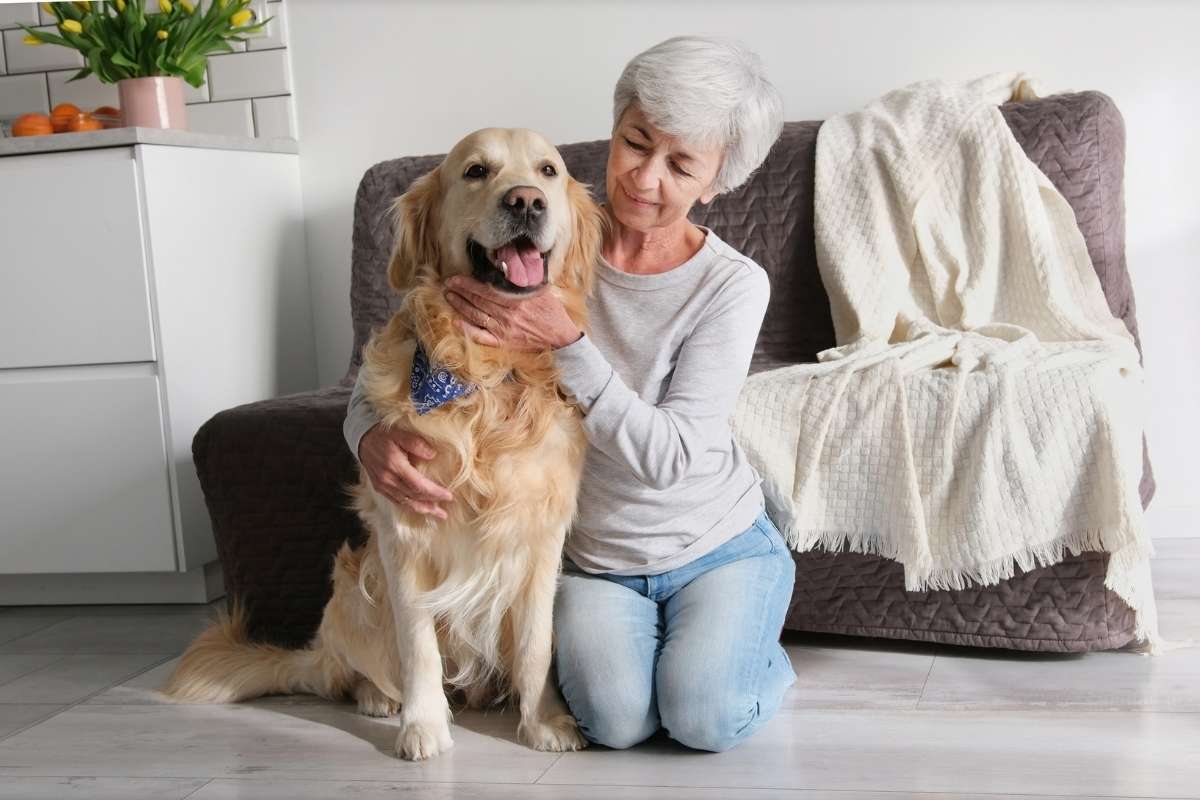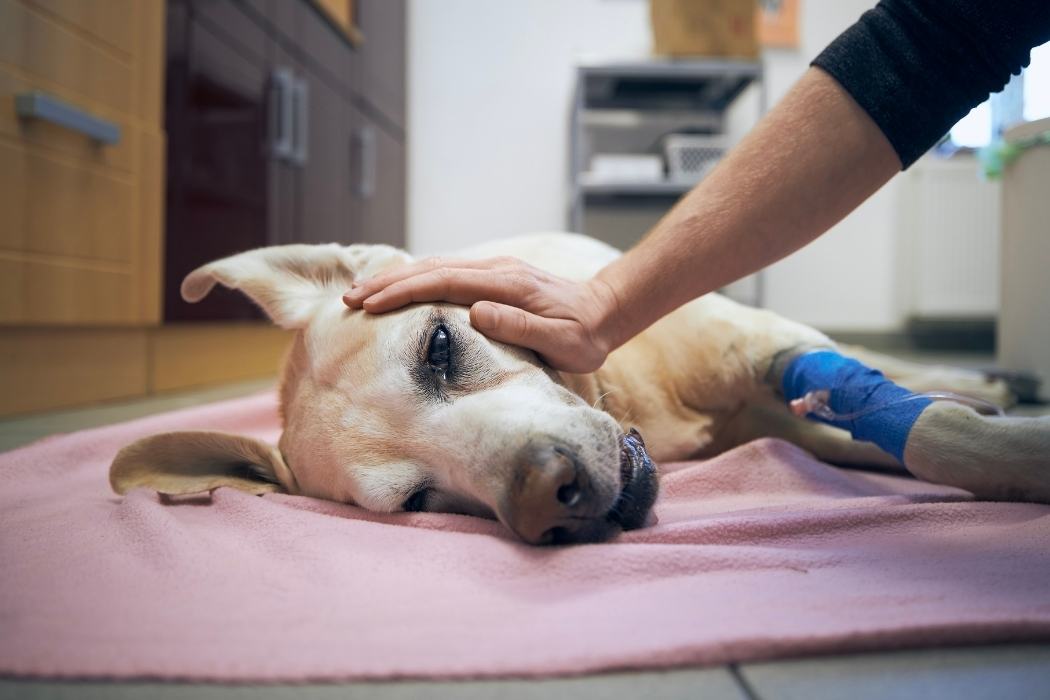
Keeping pets healthy involves more than regular feeding and occasional walks. For pet owners in Canton and nearby areas, understanding how daily nutrition and physical activity affect a dog or cat’s health can help prevent many common concerns. At Union Hill Animal Hospital, we help families understand the importance of lifestyle choices that support long-term health and comfort through proper wellness care.
A balanced diet and regular exercise can influence your pet’s weight, energy levels, mobility, immune function, and emotional well-being. While every pet has different nutritional and activity needs, making informed choices as part of their wellness care routine can support a healthier and happier life.
How Does Diet Affect Your Pet’s Health?
Food provides the nutrients pets need to maintain their body functions. A complete and balanced diet supports healthy skin, a shiny coat, strong muscles, proper digestion, and normal energy levels.
Pets that do not receive appropriate nutrition may develop issues with weight, digestion, or overall health. Feeding habits also matter. Portion sizes, meal frequency, treats, and lifestyle should all be considered when deciding what works for your pet.
Important factors that influence your pet’s nutritional needs include:
- Age and life stage
- Breed and body size
- Activity level
- Existing health concerns
- Individual dietary requirements
Puppies and kittens usually need different nutrients than adult or senior pets because their bodies are still developing. Older pets may need dietary adjustments based on changes in metabolism, mobility, or health conditions.
The Connection Between Exercise and Pet Wellness
Physical activity helps pets maintain a healthy body and supports their mental stimulation. Dogs often need daily movement through walks, play sessions, or activities that encourage natural behaviors. Cats also benefit from exercise through interactive toys, climbing areas, and activities that encourage movement.
Regular activity may help:
- Maintain a healthy body weight
- Support joint flexibility
- Reduce boredom-related behaviors
- Improve muscle strength
- Encourage better sleep patterns
A lack of exercise can contribute to weight gain and may affect a pet’s physical and emotional health. However, exercise routines should match your pet’s age, breed, and physical abilities. A young active dog may require more movement than a senior pet with mobility challenges.
Signs Your Pet May Need Lifestyle Changes
Changes in your pet’s eating habits, energy, or body condition can sometimes indicate that their daily routine needs attention. These signs do not always point to a single specific problem, but they may require observation or a discussion with a veterinarian.
Common changes pet owners may notice include:
- Sudden weight gain or weight loss
- Reduced interest in play or activity
- Difficulty climbing stairs or moving comfortably
- Changes in appetite
- Digestive changes
- Excessive tiredness
If your pet shows sudden or severe changes, it is important to seek veterinary guidance. Similar symptoms can occur due to various causes, including medical conditions, stress, age-related changes, or lifestyle factors.
How Veterinarians Help Create Healthy Pet Routines
Veterinary visits play an important role in understanding your pet’s changing needs. During a wellness evaluation, a veterinarian can assess body condition, discuss nutrition habits, review activity levels, and identify concerns that may affect your pet’s quality of life. Regular wellness care allows veterinary professionals to monitor changes and provide guidance based on your pet’s age, lifestyle, and health needs.
Dr. Stallings focuses on helping pet owners understand how preventive choices, nutrition, and daily routines can support their pets through different life stages.
A veterinary professional can also help determine whether your pet’s current diet and exercise habits are appropriate or if changes are needed. Making adjustments with veterinary guidance can help avoid unnecessary changes that may not suit your pet’s individual needs.
If you notice concerning changes in your pet’s behavior, appetite, or energy, call our animal hospital now to discuss your concerns and determine the next appropriate step.
Preventive Steps to Support Your Pet’s Long-Term Health
Healthy habits start with consistency. Small daily actions can make a meaningful difference in your pet’s overall condition.
Some ways to support your pet’s health include:
- Measure food portions instead of feeding based on guesswork
- Provide fresh water every day
- Schedule regular veterinary examinations
- Include age-appropriate physical activity
- Monitor changes in weight and behavior
- Avoid giving human foods unless approved by a veterinarian
Pet owners should also remember that nutritional needs can change over time. A diet that works well during one stage of life may not provide the same support as your pet ages.
How Diet and Activity Support Aging Pets
Senior dogs and cats often experience changes in metabolism, muscle strength, and mobility. Adjusting their nutrition and activity level can help them stay comfortable while supporting their changing needs.
Gentle exercise, mental stimulation, and regular health evaluations may help older pets maintain better daily function. Your veterinarian can help identify changes that may be related to aging versus signs of a possible health concern.
Consistent wellness care enables veterinary teams to detect changes early and provide recommendations tailored to your pet’s condition.
When Should You Schedule a Veterinary Visit?
Not every change requires emergency attention, but certain signs should not be ignored. Pet owners should schedule an examination if they notice ongoing changes such as reduced appetite, unexplained weight changes, difficulty moving, or unusual behavior.
Warning signs that may require prompt veterinary attention include severe weakness, trouble breathing, collapse, repeated vomiting, or sudden inability to move normally.
Regular veterinary support helps pet owners make informed decisions about nutrition, exercise, and preventive care throughout their pet’s life.
Support Your Pet’s Health With Daily Healthy Choices
A nutritious diet and an appropriate exercise routine are important for maintaining your pet’s overall wellness. By paying attention to your pet’s habits, activity levels, and changing needs, you can take meaningful steps toward supporting a healthier life.
The team at Union Hill Animal Hospital is here to help Canton families understand their pets’ health needs and provide guidance through every stage of life. Contact our hospital at +17706648380 to schedule a visit and discuss ways to support your pet’s long-term health.
Frequently Asked Questions
1. How does exercise improve my dog or cat’s health?
Ans: Regular exercise can help pets maintain a healthy weight, support muscle strength, and provide mental stimulation. The right amount of activity depends on age, breed, health condition, and energy level.
2. How can I tell if my pet’s diet is not meeting their needs?
Ans: Changes such as weight fluctuations, digestive problems, low energy, or changes in coat condition may indicate nutritional concerns. Union Hill Animal Hospital can help evaluate your pet’s diet and recommend appropriate adjustments.
3. How often should pets have wellness examinations?
Ans: Most pets benefit from regular veterinary examinations based on their age, health status, and lifestyle. Union Hill Animal Hospital recommends routine visits to monitor changes and address concerns early.
4. Can diet and exercise prevent all pet health problems?
Ans: Healthy nutrition and activity can support overall health, but they cannot prevent every medical condition. Regular veterinary evaluations are still important for detecting and managing health concerns.
5. What exercise is safe for senior pets?
Ans: Senior pets may benefit from gentle activities such as short walks, controlled play, and low-impact movement. Our veterinarian can help determine which activities are appropriate based on your pet’s condition.
6. When should I seek veterinary care for changes in my pet’s behavior?
Ans: Sudden changes in appetite, energy, movement, or behavior may require veterinary attention. Union Hill Animal Hospital can help determine whether the changes are related to lifestyle factors or a possible health issue.