A sudden change in your pet’s appetite can feel worrying. You know their normal habits better than anyone else.
Dental disease is one possible reason your pet may avoid food or eat differently. Inflamed gums and damaged teeth can make every bite uncomfortable.
Unfortunately, many pets hide oral pain until the problem becomes severe. Some continue approaching their bowls despite significant discomfort.
Recognizing subtle eating changes can help you seek care before dental disease worsens. If you are from Canton or neighboring areas, prompt pet dental care from our trusted vet at Union Hill Animal Hospital may relieve pain and make meals comfortable again. Until then, read this blog till the end to get details about how oral problems in pets can affect their diet.
Can Dental Disease Cause a Pet to Stop Eating?
Yes, dental disease can reduce your pet’s appetite. However, complete food refusal is not always the first warning sign.
Many affected pets still feel hungry. They may approach their food but struggle to chew or swallow comfortably.
Your pet might take several bites before walking away. Others may eat slowly, drop food, or favor one side.
Dental pain can make crunchy kibble especially difficult. Some pets begin preferring canned food because its softer texture requires less chewing.
Severe oral discomfort may eventually cause complete appetite loss. This situation requires prompt veterinary attention, especially when other symptoms appear.
Appetite changes can also have many non-dental causes. A veterinarian must examine your pet before identifying the underlying problem.
How Does Dental Disease Make Eating Painful?
Dental disease often begins when plaque collects on the teeth. Plaque can harden into tartar when it remains undisturbed.
Bacteria around the gumline can cause inflammation and infection. The gums may become red, swollen, tender, or prone to bleeding.
Disease can then progress beneath the visible gumline. It may damage the structures supporting each affected tooth.
Loose, fractured, or infected teeth can create sharp pain during chewing. Tooth-root problems may also remain hidden without a veterinary examination.
Pets cannot explain where their mouths hurt. Instead, their behavior and eating patterns provide important clues.
What Eating Changes Can Signal Dental Pain?
Not every appetite change means your pet has dental disease. However, certain behaviors can point toward oral discomfort.
Watch for these possible warning signs:
- Walking toward food but hesitating before eating
- Chewing more slowly than usual
- Dropping kibble or treats from the mouth
- Chewing mainly on one side
- Swallowing food without properly chewing it
- Refusing hard food while accepting soft food
- Crying, flinching, or backing away during meals
- Eating smaller amounts throughout the day
- Suddenly refusing favorite treats or chew toys
- Showing hunger but leaving food unfinished
These behaviors deserve attention when they appear suddenly or continue. Your veterinarian can determine whether dental pain is responsible.
What Other Signs May Appear With Appetite Changes?
Eating problems may occur alongside other signs of dental disease. Bad breath is common, but it should not be considered normal.
Additional warning signs can include:
- Red, swollen, or bleeding gums
- Yellow or brown tartar on the teeth
- Excessive drooling
- Blood on toys or in the water bowl
- Pawing at the face or mouth
- Facial swelling
- Loose, broken, or discolored teeth
- Reduced interest in play
- Irritability when the face is touched
- Unexplained weight loss
Some pets show only one subtle symptom. Others continue eating normally despite painful dental disease.
Regular oral examinations remain important, even when your pet seems comfortable.
When Does an Appetite Change Require Veterinary Attention?
Contact your veterinarian when your pet’s appetite changes without an obvious reason. Early evaluation may prevent pain and complications from progressing.
Seek prompt care when appetite loss accompanies vomiting, weakness, breathing changes, facial swelling, or significant drooling.
Cats require particular attention when they stop eating. Prolonged food refusal can create serious health risks for them.
Puppies, kittens, senior pets, and animals with medical conditions may also decline quickly. These pets should receive timely veterinary guidance.
Never give human pain medication without veterinary instructions. Several common medications can be toxic to dogs and cats.
How Will a Veterinarian Check for Dental Disease?
The visit usually begins with questions about your pet’s eating habits. Mention when the changes started and how often they occur.
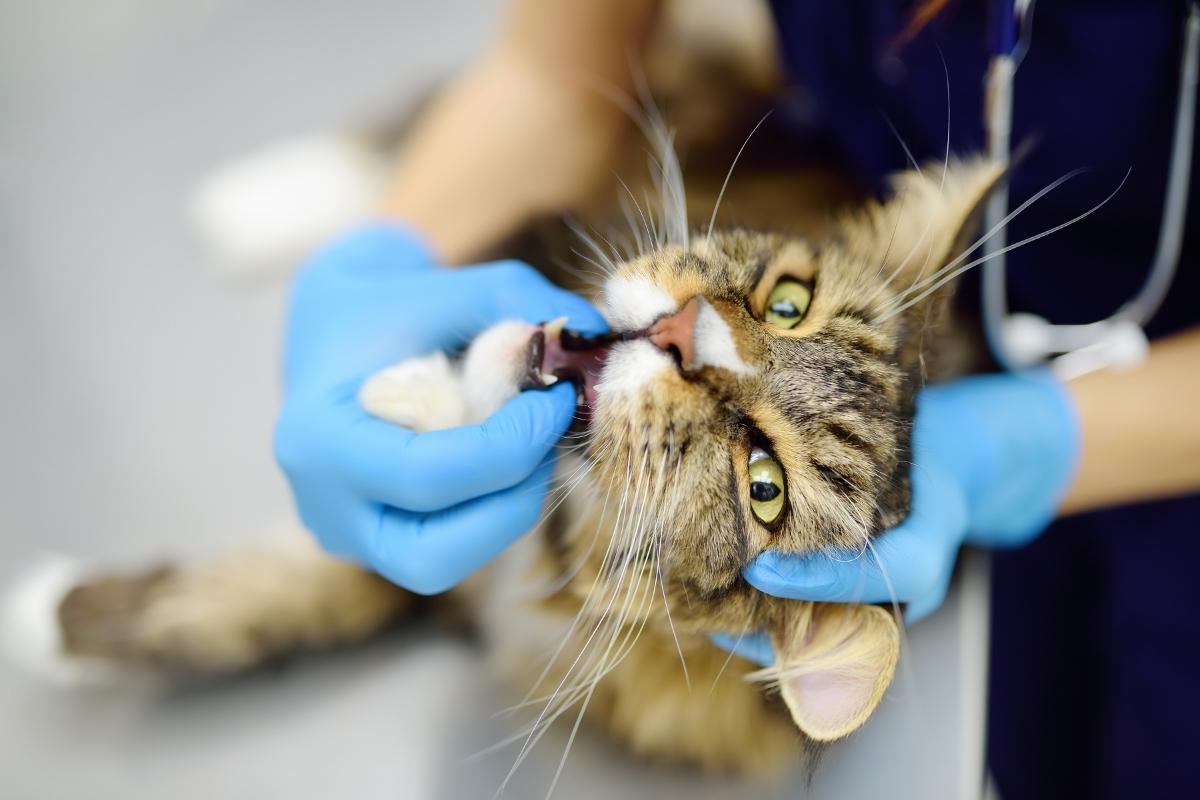
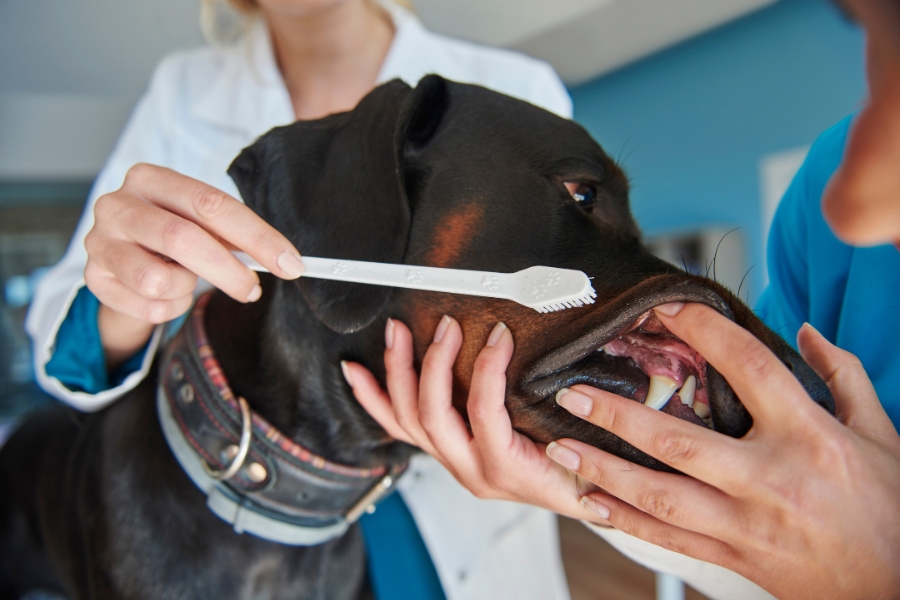
Your veterinarian will examine your pet’s teeth, gums, tongue, and surrounding tissues. This initial assessment may identify tartar, inflammation, fractures, or swelling.
However, much of each tooth lies below the gumline. A complete dental evaluation may require examination while your pet is anesthetized.
Anesthesia prevents movement and allows the veterinary team to inspect the mouth thoroughly. It also supports careful cleaning below the gumline.
Your veterinarian may recommend additional testing based on your pet’s age and health. The findings will guide an appropriate treatment plan.
How Can Professional Dental Treatment Restore Appetite?
Treatment depends on the type and severity of oral disease. A professional cleaning removes plaque and tartar above and below the gumline.
The teeth are then polished to create a smoother surface. This step can slow future plaque accumulation.
Severely diseased or painful teeth may require extraction. Removing the source of pain can greatly improve comfort during meals.
Many pets adjust well after necessary extractions. Their comfort often matters more than the number of remaining teeth.
Union Hill Animal Hospital performs careful oral examinations and thorough dental cleanings. Its team can address severely diseased teeth during the anesthetized procedure when appropriate.
How Can You Support Your Pet’s Oral Health at Home?
Home care can help slow plaque buildup between veterinary visits. However, it cannot remove hardened tartar or treat painful infections.
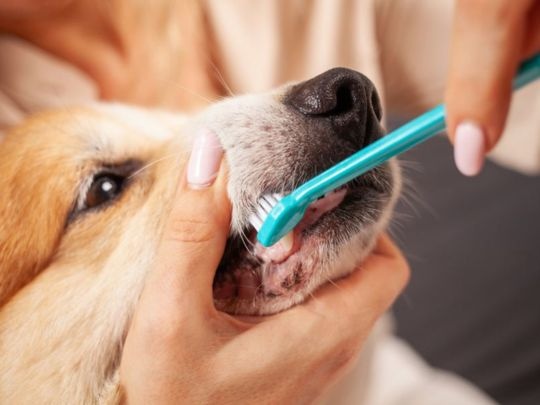
Brushing with pet-safe toothpaste is often the most useful home habit. Introduce brushing gradually and reward calm cooperation.
Never use human toothpaste for your pet. Some ingredients can be harmful when swallowed.
Veterinary-approved dental products may provide additional support. Ask your veterinarian which options suit your pet’s health and chewing habits.
Check your pet’s mouth regularly when they allow it safely. Look for odor, redness, tartar, swelling, or damaged teeth.
Consistent pet dental care also includes routine veterinary examinations. These visits can identify developing problems before appetite or behavior changes appear.
Help Your Pet Enjoy Mealtimes Again
Your pet should not have to choose between hunger and oral pain. Changes in eating habits may be their way of requesting help.
Union Hill Animal Hospital provides dental cleanings for dogs and cats in Canton. The veterinary team focuses on comfort, disease prevention, and overall well-being.
If your pet eats differently, schedule an examination before the problem worsens. Early care can protect comfort and support happier mealtimes.
Call us at 770-664-8380 or book an appointment online.
Frequently Asked Questions
1. Can a pet have dental pain and still eat?
Ans: Yes. Many pets continue eating despite oral pain. Watch for slower chewing, dropped food, hesitation, or preference for softer meals.
2. Why does my pet approach food but refuse to eat?
Ans: Your pet may feel hungry but find chewing painful. Dental disease, nausea, stress, and other illnesses can cause this behavior.
3. Can bad teeth cause weight loss in dogs and cats?
Ans: Yes. Painful teeth may reduce food intake and contribute to weight loss. Unexplained weight loss always deserves a veterinary evaluation.
4. Will switching to soft food help a pet with dental disease?
Ans: Soft food may make eating easier temporarily. However, it does not treat infection, inflammation, loose teeth, or other underlying problems.
5. Where can I get my pet’s teeth checked in Canton?
Ans: Union Hill Animal Hospital provides dental examinations and cleanings for pets in Canton, GA. An examination can identify the cause of oral symptoms.
6. Does Union Hill Animal Hospital treat dental problems affecting appetite?
Ans: Yes. Union Hill Animal Hospital evaluates teeth, gums, and oral tissues for problems that may make eating painful or difficult.
7. How often should pets receive dental examinations in Canton?
Ans: Pets should receive an oral check during routine wellness visits. Union Hill Animal Hospital can recommend a schedule based on individual dental needs.