Your pet’s oral health plays a major role in their overall well-being. While many pet owners focus on nutrition, exercise, and vaccinations, dental care is often overlooked until a noticeable problem appears. Unfortunately, dental disease can silently progress over time, causing pain, infections, and even affecting vital organs like the heart, liver, and kidneys.
Cavities and gum disease are among the most common dental problems seen in dogs and cats. Since pets cannot tell us when something hurts, it’s important to recognize the warning signs early. Understanding what to look for and when to seek professional veterinary care can help your furry companion live a healthier and more comfortable life.
Understanding Cavities and Gum Disease in Pets
Cavities, also called dental caries, occur when bacteria damage the tooth structure. While cavities are more common in humans, pets can still develop them, especially if plaque and tartar buildup are left untreated.
Gum disease, also known as periodontal disease, is much more common in pets. It starts when plaque accumulates on the teeth and hardens into tartar. Over time, bacteria begin irritating the gums, leading to inflammation, infection, tooth loss, and pain.
There are several stages of gum disease:
- Gingivitis: Mild inflammation and redness of the gums
- Early Periodontitis: Gums begin pulling away from the teeth
- Moderate Periodontitis: Bone and tissue damage develop
- Advanced Periodontitis: Severe infection and tooth loss occur
Early diagnosis and treatment are essential to prevent long-term complications.
Common Causes of Dental Disease in Pets
Several factors can contribute to cavities and gum disease in dogs and cats, including:
Poor Oral Hygiene
Without regular brushing and dental care, plaque quickly builds up on your pet’s teeth.
Diet
Sticky or sugary treats can increase plaque formation. Poor-quality diets may also contribute to dental problems.
Age
Older pets are more likely to develop gum disease because tartar accumulates over time.
Breed Predisposition
Small dog breeds and flat-faced breeds are especially prone to dental disease because of crowded teeth.
Lack of Professional Dental Cleanings
Routine veterinary dental exams and cleanings help remove tartar and identify issues early before they worsen.
Signs Your Pet May Have Cavities or Gum Disease
Recognizing the symptoms of dental disease early can make a significant difference in your pet’s health and comfort.
Bad Breath
Persistent bad breath is often one of the first signs of dental disease. While “dog breath” may seem normal, foul-smelling breath usually indicates bacteria buildup or infection.
Red or Swollen Gums
Healthy gums should appear pink and firm. Redness, swelling, or bleeding along the gumline may signal gingivitis or periodontal disease.
Difficulty Eating
If your pet suddenly avoids hard food, chews on one side of the mouth, or drops food while eating, oral pain may be the cause.
Yellow or Brown Tartar Buildup
Visible tartar accumulation on the teeth is a major warning sign that professional dental care is needed.
Pawing at the Mouth
Pets experiencing dental discomfort may rub or paw at their face and mouth frequently.
Loose or Missing Teeth
Advanced gum disease can weaken the structures supporting the teeth, causing teeth to loosen or fall out.
Excessive Drooling
Drooling more than usual can indicate oral pain, infection, or inflammation.
Changes in Behavior
Pets with dental pain may become irritable, withdrawn, or less interested in play and interaction.
Why Early Detection Matters
Dental disease does not only affect the mouth. Bacteria from untreated infections can enter the bloodstream and impact major organs throughout the body.
Potential complications of untreated dental disease include:
- Heart disease
- Kidney disease
- Liver problems
- Chronic pain
- Difficulty eating and weight loss
- Severe infections
Early treatment helps protect your pet’s overall health and quality of life.
How Veterinarians Diagnose Dental Problems
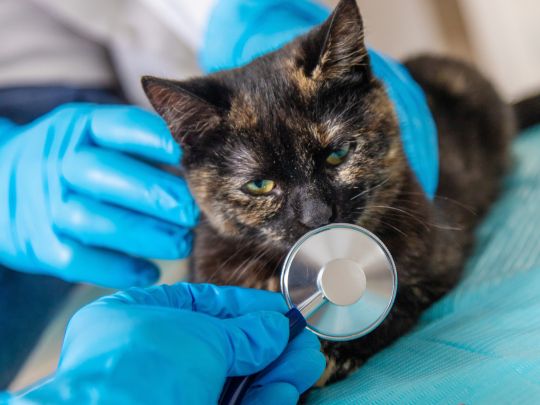
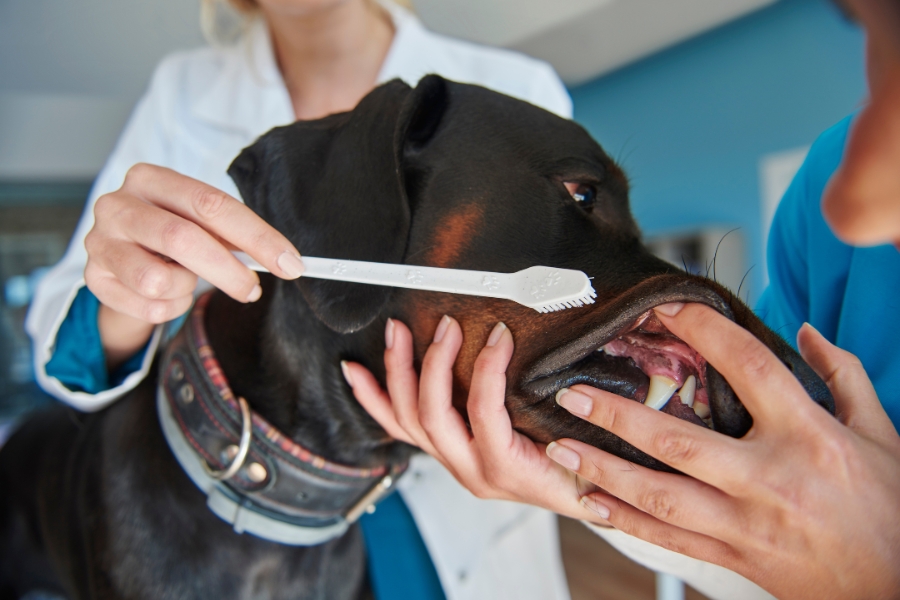
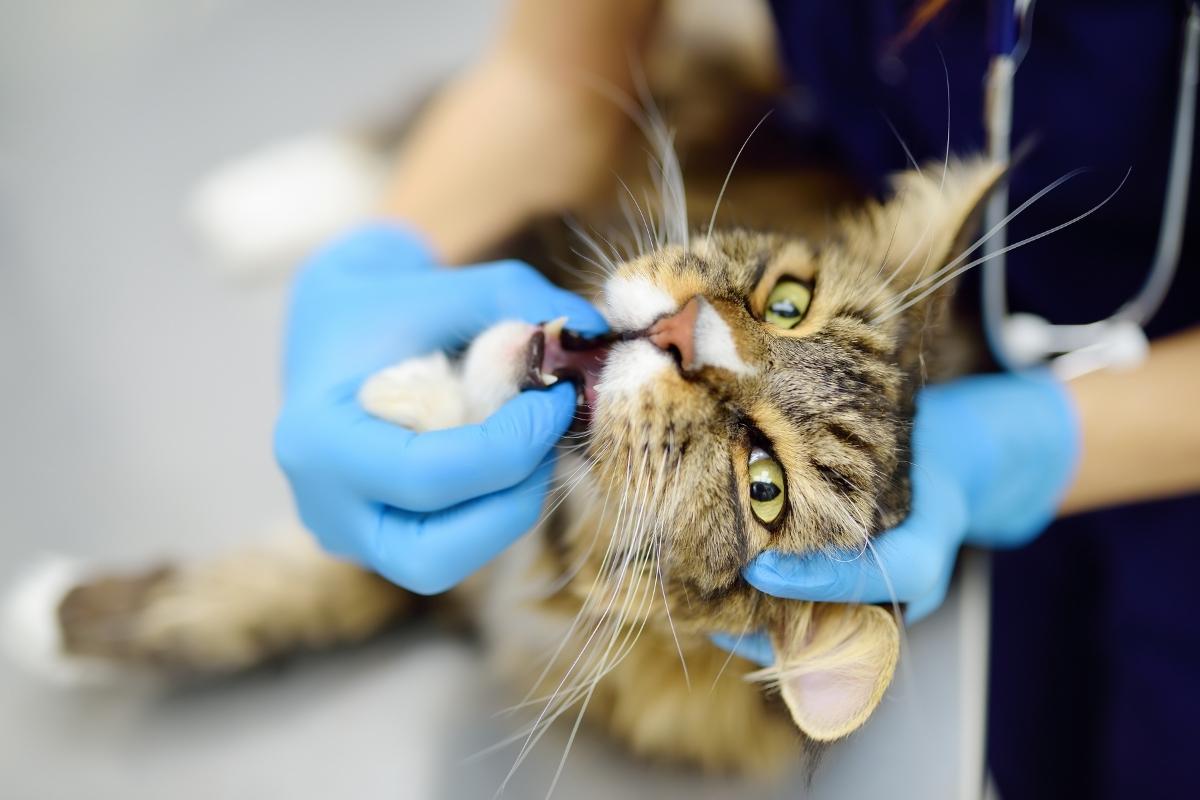
A professional dental evaluation is the best way to identify cavities and gum disease accurately.
During a dental exam, your veterinarian may:
- Examine the teeth and gums
- Check for loose or damaged teeth
- Evaluate tartar buildup
- Assess gum inflammation
- Perform dental X-rays to detect hidden disease beneath the gumline
Dental X-rays are especially important because many dental problems cannot be seen with the naked eye.
If you notice signs of oral discomfort, searching for a trusted vet near me can help you find prompt dental care for your pet.
Treatment Options for Cavities and Gum Disease
The appropriate treatment depends on the severity of the dental disease.
Professional Dental Cleaning
Routine dental cleanings remove plaque and tartar buildup both above and below the gumline. Pets are placed under anesthesia to ensure a safe and thorough cleaning.
Tooth Extractions
Severely damaged or infected teeth may need to be removed to relieve pain and prevent further complications.
Antibiotics and Pain Management
In cases involving infection or inflammation, medications may be prescribed to support healing and comfort.
Advanced Dental Procedures
Some pets may require additional treatments such as periodontal therapy or cavity repair.
Working with a skilled pet dentist canton pet owners trust can help ensure your pet receives high-quality dental care tailored to their needs.
How to Prevent Cavities and Gum Disease in Pets
Preventive dental care is the most effective way to maintain your pet’s oral health.
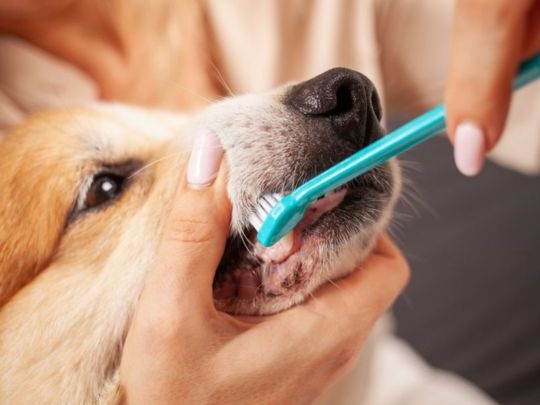
Brush Your Pet’s Teeth Regularly
Daily brushing with pet-safe toothpaste helps reduce plaque buildup significantly.
Provide Dental Chews and Toys
Dental products designed for pets can help clean teeth and support gum health.
Feed a Balanced Diet
A high-quality diet can contribute to healthier teeth and gums.
Schedule Routine Dental Exams
Regular veterinary checkups allow early detection of dental concerns before they become serious.
Professional Dental Cleanings
Routine cleanings are essential even if your pet’s teeth appear healthy on the surface.
Why Choose Our Animal Hospital for Pet Dental Care?
At Union Hill Animal Hospital, we understand how important oral health is to your pet’s overall wellness. Our experienced veterinary team provides comprehensive dental exams, professional cleanings, digital dental X-rays, and personalized treatment plans designed to keep your pet healthy and comfortable.
We focus on compassionate care, advanced diagnostic tools, and preventive treatment to help detect dental problems early and improve your pet’s quality of life. Whether your pet needs a routine dental cleaning or treatment for advanced gum disease, our team is here to help every step of the way.
If you have noticed signs of dental discomfort or want to stay proactive about your pet’s oral health, schedule an appointment with Union Hill Animal Hospital today.
Final Thoughts
Cavities and gum disease can significantly affect your pet’s comfort, health, and happiness. Since many dental issues develop gradually, recognizing the warning signs early is essential for preventing pain and long-term complications.
By staying consistent with home dental care and regular veterinary visits, you can help protect your pet’s teeth and gums for years to come. Professional dental care, preventive cleanings, and early treatment all play an important role in supporting your pet’s overall wellness.
If your pet is showing signs of dental disease, don’t wait to seek professional care. Schedule an appointment with Union Hill Animal Hospital to help your furry companion maintain a healthy smile and a healthier life.
Frequently Asked Questions
1. How often should my pet have a professional dental cleaning?
Most pets benefit from annual dental cleanings, although some may require more frequent care depending on breed, age, and oral health condition.
2. What are the earliest signs of gum disease in pets?
Common early signs include bad breath, red gums, mild swelling, and tartar buildup on the teeth.
3. Can pets really get cavities?
Yes, although cavities are less common in pets than humans, dogs and cats can still develop tooth decay.
4. Is anesthesia necessary for pet dental cleanings?
Yes. Anesthesia allows veterinarians to clean beneath the gumline safely and perform a complete oral examination without causing stress or discomfort to your pet.
5. Are dental treats enough to prevent gum disease?
Dental treats can help reduce plaque buildup, but they should not replace brushing and professional dental cleanings.
6. When should I take my pet to the veterinarian for dental concerns?
You should contact your veterinarian if you notice bad breath, bleeding gums, difficulty eating, loose teeth, swelling, or other signs of oral discomfort.