As a cat parent, you probably know that keeping your feline friend healthy involves more than just feeding and grooming them. One aspect of their health that often gets overlooked is their oral hygiene. Just like humans, cats are susceptible to dental issues such as plaque buildup, gingivitis, and even tooth loss. The good news is that with a little effort, you can help keep your cat’s teeth clean and healthy. In this post, we’ll discuss some essential tips for maintaining your cat’s dental health and preventing common dental issues.
1. Start Early with Dental Care
It’s never too early to start caring for your cat’s teeth. Kittens begin developing their adult teeth by the time they are around 3 to 4 months old. This is an ideal time to introduce them to regular dental care routines. If you adopt an older cat, it’s still possible to start dental care, though they may need more time to adjust.
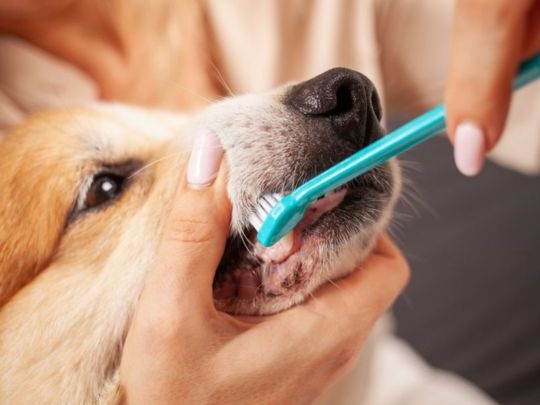
Introducing your cat to teeth cleaning gradually is key. Begin by gently rubbing their gums with your finger or a soft cloth. Eventually, you can introduce a pet-safe toothbrush and toothpaste.
2. Use Cat-Specific Toothpaste and Toothbrush
Just like humans, cats need the right tools for effective dental care. Human toothpaste contains ingredients that can be harmful to cats if swallowed, so always use toothpaste formulated specifically for pets. Pet toothpaste is available in flavors that your cat will enjoy, such as chicken or tuna.
For brushing, use a soft-bristled toothbrush designed for cats. These brushes are smaller and gentler on their gums and teeth. Some pet stores also carry finger brushes, which are small rubber brushes that fit over your finger for a more direct cleaning experience.
3. Regular Brushing is Key
Brushing your cat’s teeth regularly is one of the most effective ways to keep their teeth clean and healthy. Ideally, you should aim to brush your cat’s teeth at least two to three times a week. The more often you brush, the better you’ll prevent plaque and tartar buildup.
When brushing, be gentle and focus on the outer surfaces of the teeth, as this is where plaque tends to build up. It may take some time for your cat to get used to brushing, so be patient and reward them with treats to make the process more enjoyable.
4. Provide Dental Chews and Toys
Dental chews and toys can be great additions to your cat’s dental care routine. These products are designed to help scrape away plaque and massage the gums. Many cat dental chews are made with natural ingredients that promote oral health while satisfying your cat’s chewing instincts.
Look for toys and chews that are specifically labeled as dental products. Be sure to supervise your cat while they play with these items, as some chews or toys may break into small pieces that could be a choking hazard.
5. Consider Dental Diets and Treats
Just like dental chews, certain types of cat food and treats are designed to support oral health. Dental diets are formulated to help reduce plaque and tartar buildup by encouraging your cat to chew more. These diets are usually made with larger kibble that is designed to scrape your cat’s teeth clean while they eat.
If your cat isn’t a fan of dry food, there are also dental treats available that provide similar benefits. Look for treats that are approved by veterinary dental associations and have the right ingredients to promote dental health.
6. Regular Veterinary Checkups
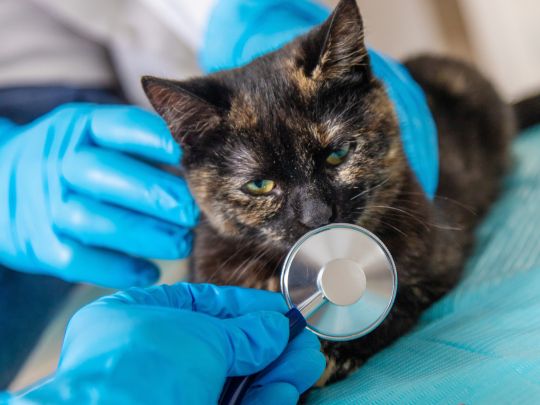
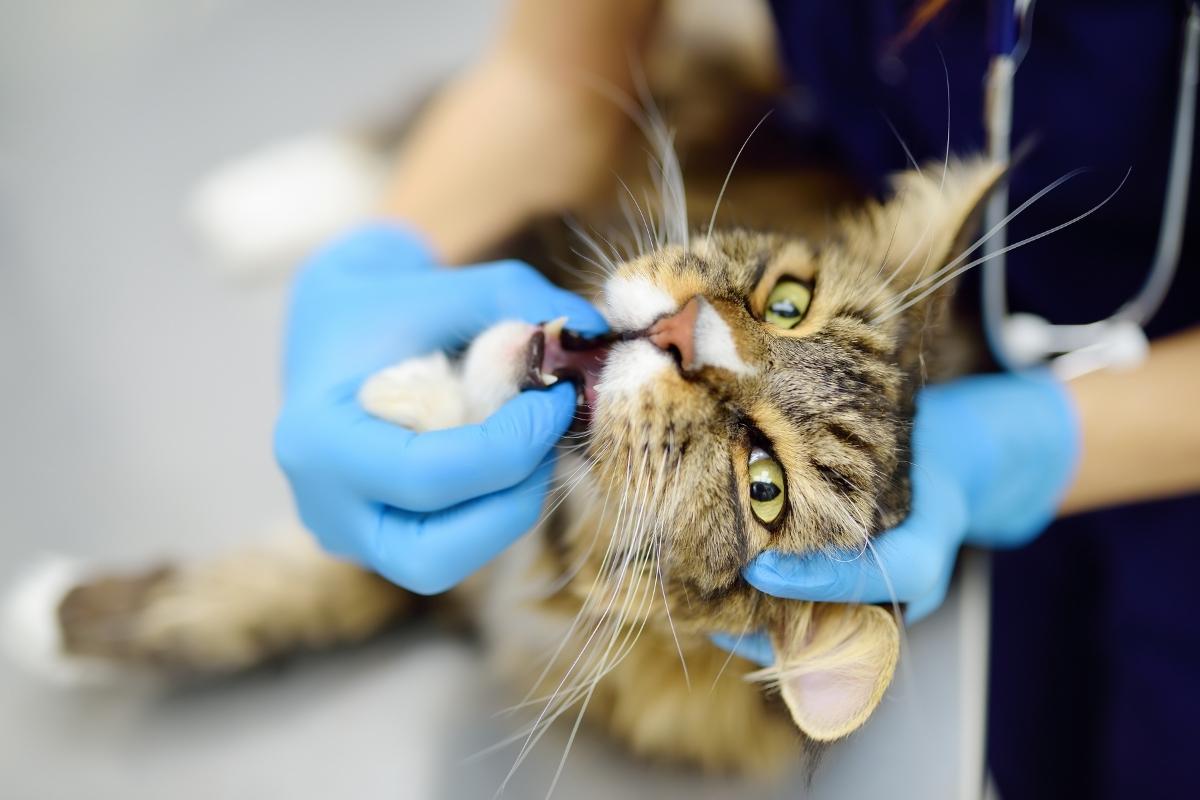
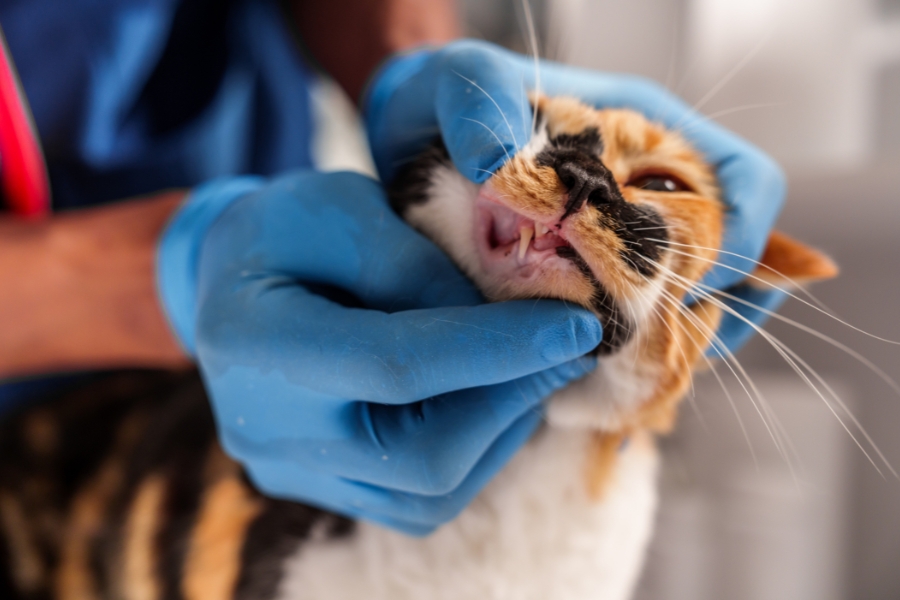
Even with a good dental care routine at home, regular checkups with your veterinarian are crucial for maintaining your cat’s dental health. Your vet will examine your cat’s teeth and gums for signs of dental disease, such as gingivitis, abscesses, or tooth decay. Professional cleanings are sometimes necessary to remove stubborn plaque and tartar that can’t be addressed with brushing alone.
At Union Hill Animal Hospital, we offer comprehensive dental exams and cleanings to help maintain your cat’s oral health. If your cat is showing signs of dental discomfort, such as difficulty eating, drooling, or bad breath, don’t hesitate to schedule an appointment with us.
7. Watch for Signs of Dental Problems
It’s essential to be aware of the signs that your cat may be experiencing dental issues. Common symptoms of dental problems include:
- Bad breath (halitosis)
- Excessive drooling
- Swollen or bleeding gums
- Difficulty chewing or eating
- Pawing at the mouth
- Discolored or broken teeth
If you notice any of these signs, schedule a visit to the vet. Dental problems can escalate quickly and may lead to more severe health issues if left untreated.
Maintaining your cat’s dental health is a vital part of their overall well-being. By starting early, using the right tools, and providing regular dental care, you can help ensure that your cat enjoys a long, healthy life with a bright, pain-free smile. At Union Hill Animal Hospital, we’re here to support you in keeping your cat’s teeth clean and healthy. If you have any concerns about your cat’s dental care or need advice on the best products for your pet, feel free to contact us today. Your cat’s smile is worth it!
FAQs
Q1. How often should I brush my cat’s teeth?
Ans. Ideally, you should brush your cat’s teeth at least two to three times a week to prevent plaque buildup and maintain good oral health.
Q2. What should I do if my cat doesn’t like having their teeth brushed?
Ans. Start slowly by rubbing your cat’s gums with your finger or a soft cloth. Gradually introduce a pet-safe toothbrush and toothpaste. Be patient and reward your cat with treats.
Q3. Can dental chews replace brushing my cat’s teeth?
Ans. While dental chews are helpful in reducing plaque, they should not replace regular brushing. Brushing is the most effective way to maintain your cat’s oral hygiene.
Q4. Are there any signs I should watch for to detect dental issues in my cat?
Ans. Watch for signs such as bad breath, difficulty eating, excessive drooling, swollen gums, or broken teeth. These may indicate dental problems.
Q5. How does a veterinary dental cleaning differ from home care?
Ans. A veterinary dental cleaning involves a professional cleaning under anesthesia, which allows the vet to thoroughly clean beneath the gums and address issues that can’t be tackled at home.
Q6. What is the best diet for my cat’s teeth?
Ans. Dental diets and treats designed to reduce plaque buildup are an excellent option. These products encourage chewing and help keep your cat’s teeth clean while promoting overall oral health.