Many pet parents assume bad breath in dogs is normal. However, persistent foul-smelling breath is often a warning sign of underlying dental or health problems. While the occasional odor may not be alarming, ongoing bad breath usually points to bacteria buildup, gum disease, or other medical concerns that require attention.
Fortunately, improving your dog’s breath starts with understanding the root causes and taking consistent action. With proper dental habits, routine veterinary care, and early intervention, you can significantly improve your dog’s oral health and overall well-being. At Union Hill Animal Hospital, we help pet owners protect their dogs’ smiles and health—especially those living in Canton, GA.
Understanding the Importance of Canine Oral Health
A dog’s mouth plays a critical role in overall health. When bacteria accumulate on teeth and gums, they create plaque that hardens into tartar. Over time, this buildup causes infection, inflammation, and unpleasant odors.
Moreover, oral bacteria do not stay confined to the mouth. They can enter the bloodstream and affect vital organs such as the heart, liver, and kidneys. Therefore, maintaining good oral hygiene does more than improve breath—it supports long-term health.
Consistent dog dental care helps prevent disease, reduces discomfort, and keeps your pet feeling energetic and happy.
Common Causes of Bad Breath in Dogs
Understanding why your dog’s breath smells unpleasant helps you address the issue effectively. Below are the most common causes.
Periodontal Disease
Periodontal disease remains the leading cause of bad breath in dogs. It develops when plaque and tartar irritate the gums, leading to inflammation and infection. As the disease progresses, bacteria produce strong odors and may cause pain or tooth loss.
Without treatment, periodontal disease can significantly impact your dog’s overall health.
Tooth Decay
Although less common than in humans, dogs can still experience tooth decay. Food particles trapped along the gumline allow bacteria to thrive, which damages tooth enamel and creates foul odors.
Early dental care helps prevent decay before it causes infection or discomfort.
Gum Disease (Gingivitis)
Gingivitis occurs when gums become inflamed due to plaque buildup. Dogs with gingivitis often have red, swollen gums and unpleasant breath. If untreated, gingivitis may progress into advanced periodontal disease.
Regular cleaning and early treatment stop this condition from worsening.
Oral Tumors or Growths
In some cases, bad breath may signal oral tumors or abnormal growths. These conditions can affect the gums, tongue, or jaw and often produce a strong odor. Any persistent smell accompanied by visible changes should be evaluated promptly.
Foreign Objects in the Mouth
Dogs love chewing. However, sticks, toys, or food debris can become lodged between teeth or under the gums. This causes irritation, infection, and unpleasant odors if not removed.
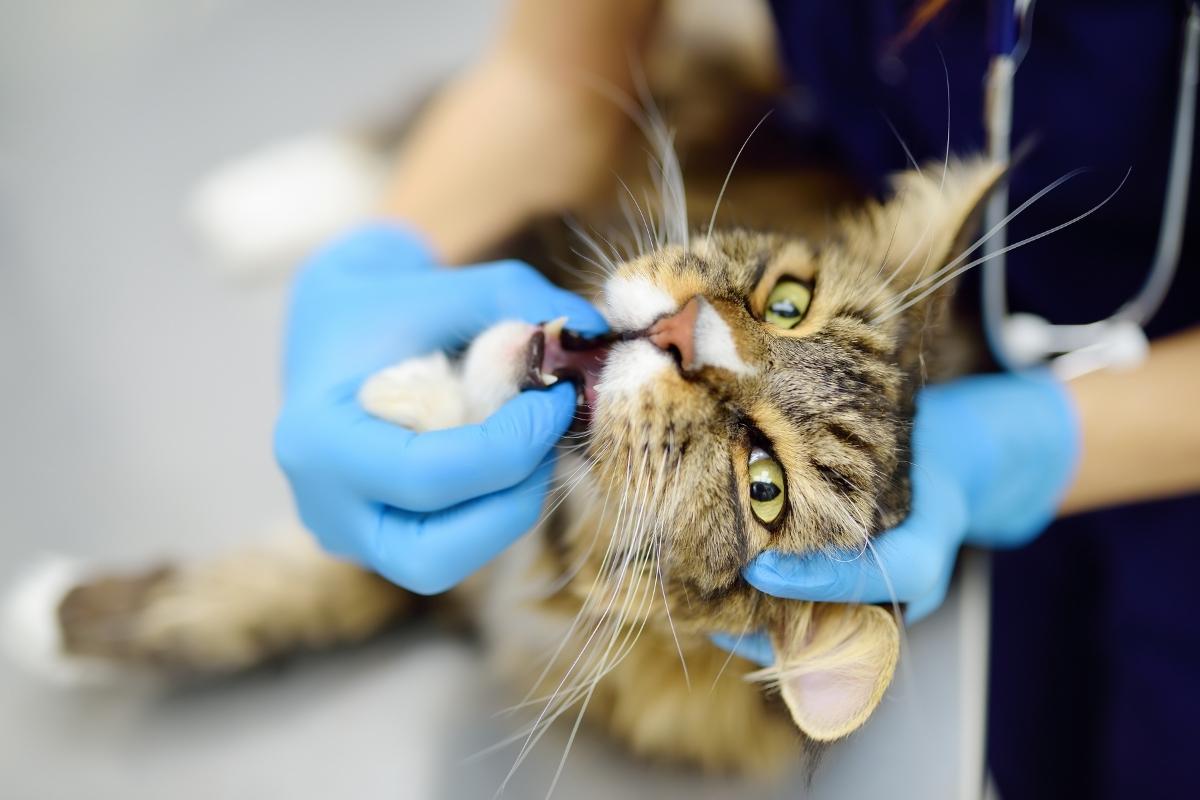
Routine mouth checks help identify these issues early.
Underlying Medical Conditions
Bad breath sometimes originates beyond the mouth. Kidney disease, for example, can cause a chemical or ammonia-like odor due to toxin buildup. When dental care does not resolve bad breath, medical evaluation becomes essential.
How to Improve and Prevent Bad Breath in Dogs
Thankfully, improving your dog’s breath involves a combination of home care, diet management, and veterinary support.
Brush Your Dog’s Teeth Regularly
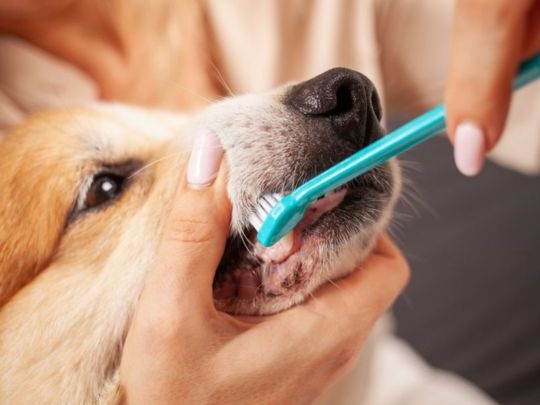
Brushing remains one of the most effective ways to reduce plaque and bacteria. Use dog-specific toothpaste and a soft-bristled brush designed for pets.
Start slowly and gently, especially if your dog is new to brushing. Consistency matters more than perfection. Regular brushing prevents buildup before it turns into tartar and significantly improves breath over time.
Use Dental Chews and Toys
Dental chews and toys help reduce plaque while satisfying your dog’s natural urge to chew. Choose products approved by veterinarians and designed to promote oral health.
While these products support cleaning, they work best alongside brushing—not as a replacement.
Maintain Regular Veterinary Checkups
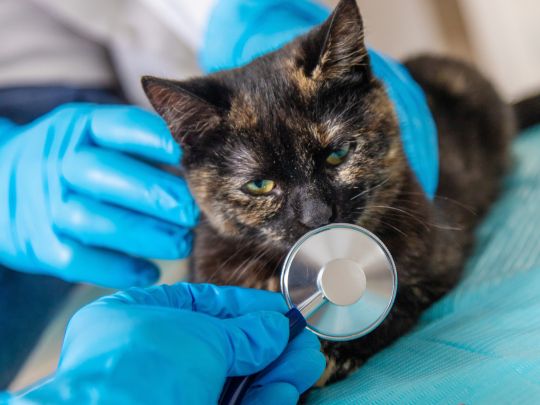
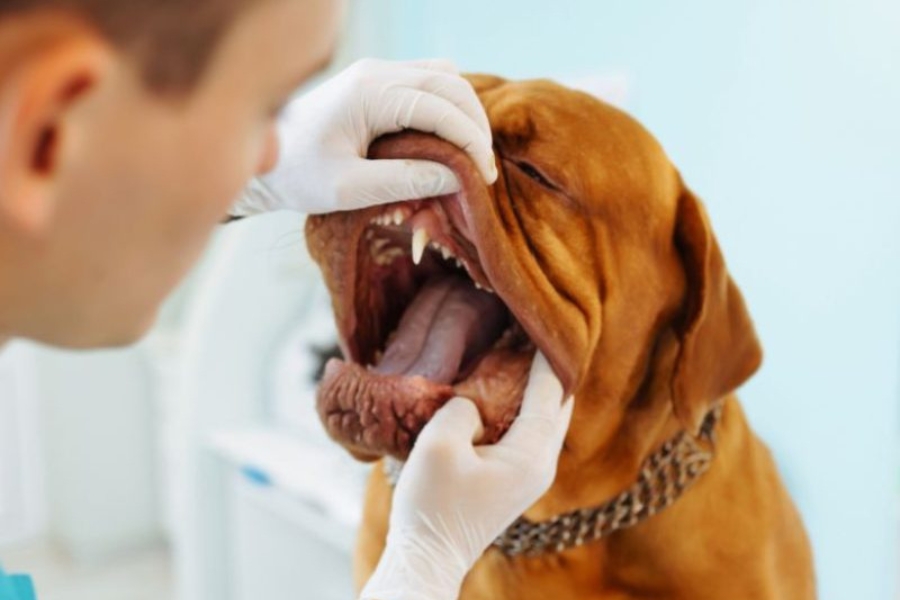
Professional exams allow veterinarians to identify dental issues early. During routine visits, vets assess gum health, check for loose teeth, and recommend treatments when necessary.
Some breeds, such as German Shepherds and Labradors, face higher risks of gum disease. Regular exams help prevent minor issues from becoming serious.
Support Dental Health Through Diet
Diet plays a surprising role in oral health. High-quality dog food designed to reduce plaque buildup supports cleaner teeth. Avoid feeding sugary treats or table scraps, as these contribute to bacterial growth.
Your veterinarian may also recommend dental-specific diets or supplements tailored to your dog’s needs.
Consider Professional Dental Cleanings
When bad breath persists despite home care, professional cleaning may be necessary. Veterinary dental cleanings remove hardened tartar that brushing cannot eliminate.
These cleanings also allow for thorough examination under anesthesia, ensuring hidden issues do not go unnoticed. Professional dog dental care often restores fresh breath and prevents future complications.
When Bad Breath Requires Immediate Veterinary Attention
While dental hygiene solves most cases, some situations require prompt care. Contact your veterinarian if bad breath appears alongside:
- Loss of appetite
- Swollen or bleeding gums
- Excessive drooling
- Weight loss
- Behavioral changes
- Vomiting or diarrhea
Early evaluation prevents serious health issues and ensures proper treatment.
Maintaining Fresh Breath Long Term
Improving your dog’s breath is not a one-time task. Instead, it requires consistency and awareness. By brushing regularly, offering appropriate chews, maintaining a healthy diet, and scheduling routine veterinary visits, you protect your dog’s oral and overall health.
Small daily efforts lead to lasting benefits and a happier, healthier companion.
Bad breath should never be ignored. It often signals dental disease or other health concerns that need attention. With proper dental habits, early detection, and professional support, you can dramatically improve your dog’s breath and quality of life.
If you are in Canton, GA and looking for a dog dental care, book an appointment with Union Hill Animal Hospital today. Our experienced team is here to help keep your dog’s smile healthy and fresh.
FAQs
Q1. Is bad breath in dogs normal?
Ans: Occasional odor can happen, but persistent bad breath usually indicates dental or health problems that require attention.
Q2. How often should I brush my dog’s teeth?
Ans: Brushing at least two to three times per week is recommended. Daily brushing offers the best protection against plaque buildup.
Q3. Can dental chews replace brushing?
Ans: No. Dental chews help reduce plaque but do not replace brushing. Both should be used together for best results.
Q4. What smell indicates a serious health issue?
Ans: A strong chemical or ammonia-like smell may indicate kidney problems and requires immediate veterinary evaluation.
Q5. Are professional dental cleanings safe for dogs?
Ans: Yes. When performed by a veterinarian, professional cleanings are safe and essential for removing hardened tartar.
Q6. When should I see a veterinarian for bad breath?
Ans: If bad breath persists despite home care or appears with other symptoms, schedule a veterinary visit promptly.