As pet owners, we often focus on keeping our dogs happy and healthy, but one crucial aspect of their health is frequently overlooked – dental care. Just like humans, dogs can suffer from dental issues such as plaque, tartar buildup, and gum disease, which can lead to painful conditions if left untreated. Regular brushing is one of the most effective ways to maintain your dog’s oral health and prevent these problems.
While it might seem like a daunting task, brushing your dog’s teeth doesn’t have to be difficult. With the right tools, techniques, and a little patience, you can keep your pet’s smile bright and their teeth healthy for years to come.
Why Is Brushing Your Dog’s Teeth Important?
Dental hygiene is vital for dogs, not only to maintain fresh breath but also to avoid serious health issues. Poor oral health can lead to gum disease, tooth loss, and other painful conditions. Furthermore, bacteria from oral infections can travel through the bloodstream, potentially affecting other organs such as the heart and kidneys.
By brushing your dog’s teeth regularly, you help prevent plaque buildup, reduce bad breath, and lower the risk of periodontal disease. Regular brushing also saves you money on veterinary bills, as it can prevent the need for expensive dental cleanings or treatments for oral infections.
Getting Started: Preparing for Brushing
Before you begin brushing your dog’s teeth, it’s important to gather the right tools. Using the proper equipment will make the process smoother and more effective.
- Toothbrush: Choose a toothbrush that is designed specifically for dogs. These toothbrushes have softer bristles and are angled to fit comfortably in your dog’s mouth. You can also use a finger toothbrush, which fits over your finger and is easier to maneuver in smaller mouths.
- Toothpaste: Never use human toothpaste for your dog. Human toothpaste contains ingredients like xylitol, which is toxic to dogs. Instead, choose a pet-safe toothpaste that comes in flavors your dog will love, such as chicken or peanut butter. These toothpastes are formulated to be safe for dogs if swallowed.
- Dental Chews and Toys: While not a substitute for brushing, dental chews and toys can complement your dog’s oral care routine by helping reduce plaque buildup.
- Dog-Friendly Mouthwash: Some pet owners like to use a dog-safe mouthwash to help reduce bacteria in the mouth. These are usually water-soluble and designed for canine oral care.
Step-by-Step Guide to Brushing Your Dog’s Teeth
Brushing your dog’s teeth requires patience, especially if you’re introducing them to the process for the first time. Here’s a simple guide to help you get started:
Step 1: Get Your Dog Comfortable with the Idea
Before you even think about using a toothbrush, it’s important to get your dog used to having their mouth touched. Start by gently rubbing your dog’s gums and teeth with your finger or a soft cloth. Do this for a few days to help them get comfortable with the sensation.
You can also introduce the toothpaste during this time. Let your dog taste the pet-safe toothpaste by placing a small amount on your finger and letting them lick it off. This will help them get used to the flavor, making the brushing process less intimidating.
Step 2: Introduce the Toothbrush
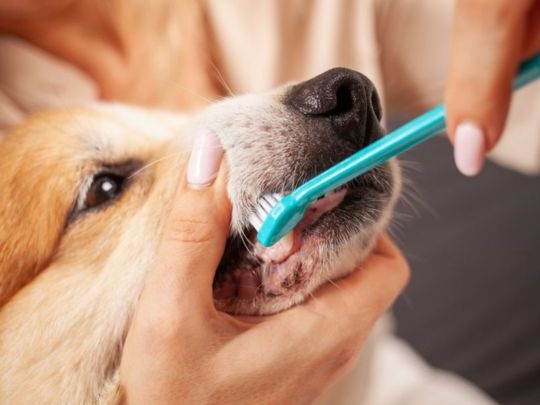
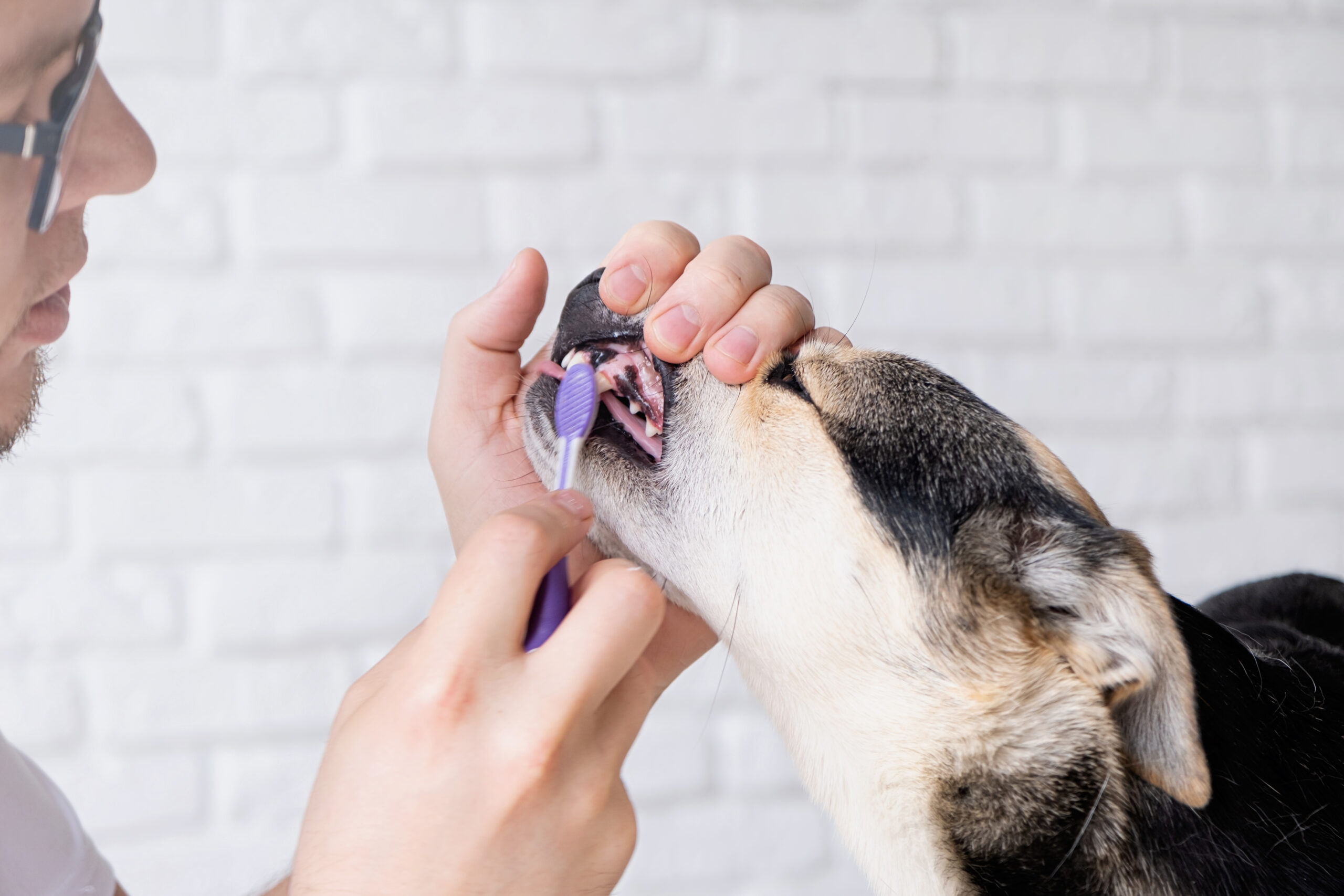
Once your dog is comfortable with you touching their teeth and gums, introduce the toothbrush. Gently brush a few teeth at a time, working up to a full brushing session. Focus on the outside surfaces of the teeth, as this is where plaque tends to build up.
Start by brushing for just a few seconds, gradually increasing the time as your dog becomes more accustomed to the process. Be sure to praise your dog throughout the session to create a positive association with brushing.
Step 3: Brush in Small, Gentle Circles
When brushing your dog’s teeth, use small, gentle circles. This motion helps clean the teeth without causing any discomfort. Avoid brushing too hard, as this can irritate the gums or damage the enamel. Focus on the back teeth, as these are most prone to tartar buildup.
If your dog resists brushing, don’t force the issue. Take breaks and try again later. The goal is to make brushing a stress-free and enjoyable experience for both of you.
Step 4: Gradually Increase the Frequency
Start by brushing your dog’s teeth a few times a week. As they get used to the routine, try to brush their teeth daily. Regular brushing is the most effective way to prevent dental problems and maintain your dog’s overall health.
If daily brushing isn’t possible, aim to brush at least three times a week. You can also supplement brushing with dental chews and toys designed to help keep your dog’s teeth clean.
Common Mistakes to Avoid
While brushing your dog’s teeth is simple, there are a few common mistakes pet owners make that can hinder the process:
- Using Human Toothpaste: Never use human toothpaste on your dog. It can contain harmful ingredients like fluoride and xylitol, which are toxic to dogs.
- Brushing Too Hard: Brushing too aggressively can harm your dog’s gums and teeth. Always use a gentle touch.
- Skipping Regular Brushing: Just like humans, dogs need regular dental care. Skipping brushing sessions can lead to plaque buildup and other oral health issues.
- Forcing Your Dog: If your dog is stressed or anxious, don’t force them to brush their teeth. Take breaks, reward them with treats, and make the experience as enjoyable as possible.
Signs That Your Dog May Need Professional Dental Care
While brushing is the best way to maintain your dog’s oral health, it’s important to keep an eye out for signs that they may need professional dental care. Some common signs that indicate a dental issue include:
- Bad breath that doesn’t go away
- Red, swollen, or bleeding gums
- Difficulty eating or chewing
- Excessive drooling
- Discolored teeth or visible tartar buildup
- Pawing at their mouth or face
If you notice any of these symptoms, it’s essential to take your dog to a veterinarian for a dental checkup. They may need a professional cleaning or treatment to address the issue.
Brushing your dog’s teeth is an essential part of dog dental care in Canton, GA. With the right tools, techniques, and patience, you can help your pet maintain healthy teeth and gums, preventing oral health problems down the road. Remember, the key is to start slowly, use the right products, and make the experience positive for your dog. Regular brushing, combined with professional dental checkups, will help ensure that your dog’s smile stays bright for years to come.
FAQs
Q1. How often should I brush my dog’s teeth?
Ans. Ideally, you should brush your dog’s teeth every day. However, brushing at least three times a week can still help maintain their oral health.
Q2. Can I use human toothpaste to brush my dog’s teeth?
Ans. No, you should never use human toothpaste on your dog. It contains harmful ingredients like xylitol, which is toxic to dogs. Always use toothpaste formulated for pets.
Q3. What if my dog doesn’t like having their teeth brushed?
Ans. Start slowly by getting your dog accustomed to having their mouth touched. Use a soft cloth or your finger to gently rub their teeth and gums before introducing the toothbrush. Reward your dog with praise and treats.
Q4. Are there any alternatives to brushing my dog’s teeth?
Ans. While brushing is the most effective way to maintain oral health, you can also use dental chews and toys designed to reduce plaque buildup. However, these should not replace regular brushing.
Q5. What are the signs that my dog needs a dental checkup?
Ans. If your dog has persistent bad breath, red or swollen gums, difficulty eating, or visible tartar buildup, they may need a professional dental checkup.
Q6. Can I use a regular toothbrush for my dog?
Ans. It’s best to use a toothbrush specifically designed for dogs. These have softer bristles and are sized to fit comfortably in your dog’s mouth.