
Your pet’s behavior can reveal a lot about their overall health. Sudden changes—like loss of appetite, unusual aggression, hiding, or low energy—may be early signs of an underlying medical issue.
Recognizing these changes quickly allows pet owners to take action before minor concerns turn into serious health problems.
Why Behavior Changes Matter
Pets thrive on routine. When their normal habits suddenly shift, it often signals discomfort, stress, or illness. In many cases, behavioral changes appear before physical symptoms.
For example, a playful dog that suddenly avoids activity or a social cat that begins hiding may be experiencing pain or illness. Paying attention to these signs can help protect your pet’s health.
Common Sudden Behavior Changes to Watch For
1. Loss of Appetite
Skipping a single meal may not be concerning, but refusing food for more than 24 hours can indicate dental issues, digestive problems, or infection.
2. Increased Aggression or Irritability
Pain or discomfort often causes pets to become irritable. If your pet reacts negatively to touch, it may be time for a veterinary evaluation.
3. Lethargy or Low Energy
A noticeable drop in energy, reluctance to move, or excessive sleeping can signal illness, especially in older pets.
4. Hiding or Withdrawal
Cats often hide when they’re unwell, and dogs may isolate themselves. This behavior can indicate pain, anxiety, or systemic health issues.
5. Changes in Bathroom Habits
Accidents, diarrhea, increased urination, or difficulty passing stool can point to infections, digestive concerns, or metabolic disorders.
6. Excessive Scratching or Grooming
Frequent licking, scratching, or chewing may indicate allergies, skin infections, or irritation that needs attention.
Quick Self-Check for Pet Owners
Ask yourself:
- Has my pet’s eating pattern changed?
- Are they less active or sleeping more?
- Do they avoid interaction or touch?
- Have their bathroom habits changed?
- Is their behavior noticeably different?
If you answer “yes” to any of these, monitor your pet closely for 24–48 hours. If symptoms persist or worsen, professional care is recommended.
Why Early Action Is Important
Early detection plays a key role in effective treatment. Many serious conditions start with subtle behavioral changes. Addressing these signs quickly can lead to faster recovery and reduce the risk of complications.
Ignoring these warning signs may delay diagnosis and make treatment more difficult.
What You Can Do at Home
1. Keep a Behavior Log
Track changes in appetite, energy, and habits. This helps identify patterns and provides useful information for your veterinarian.
2. Evaluate Environmental Changes
Recent changes—such as new food, stress, weather shifts, or new pets—can influence behavior.
3. Look for Physical Symptoms
Watch for vomiting, limping, swelling, weight loss, or bad breath. Even small physical signs combined with behavior changes may indicate illness.
When to Seek Immediate Veterinary Care
Contact a veterinarian right away if your pet experiences:
- Difficulty breathing
- Collapse or weakness
- Severe vomiting or diarrhea
- Pale gums
- Sudden inability to walk
These symptoms require urgent medical attention.
Support Your Pet’s Health with Professional Care
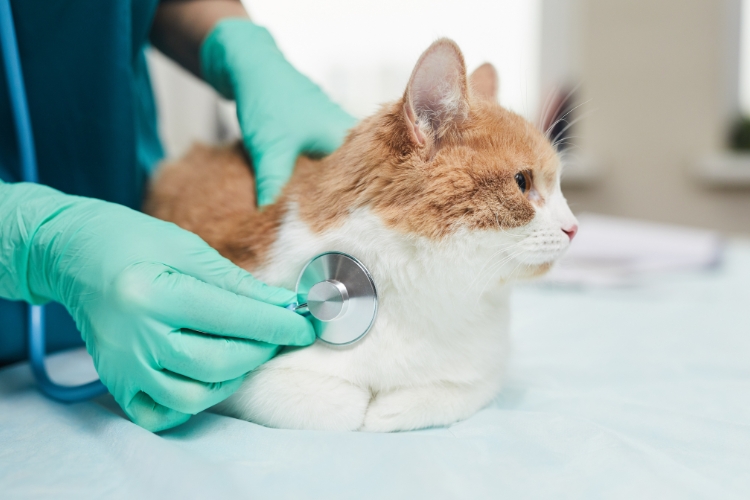
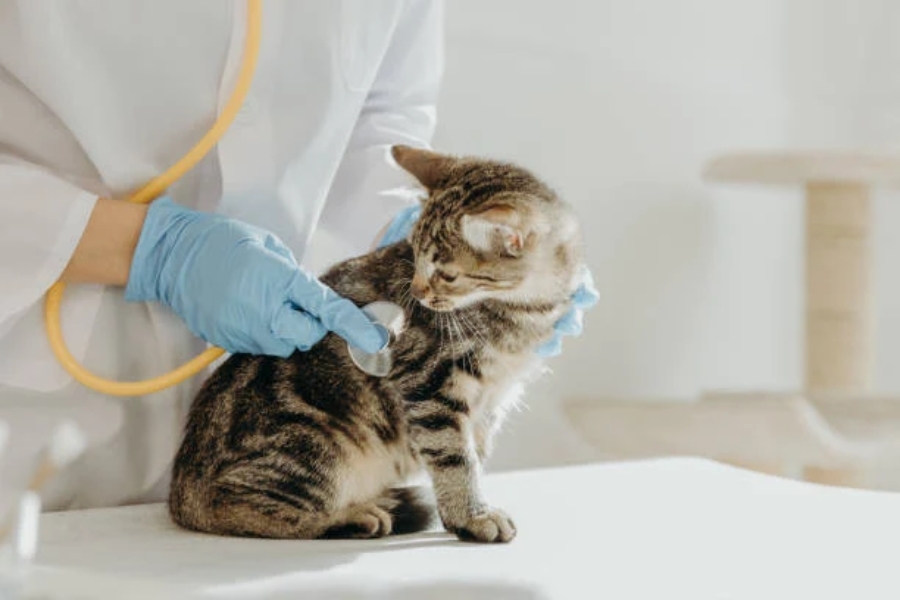
Behavioral changes are your pet’s way of communicating that something may be wrong. Taking action early ensures they receive the care they need.
If you notice unusual behavior, don’t wait—book an appointment with Union Hill Animal Hospital to have your pet evaluated and get peace of mind.
FAQs
Q1. How quickly should I respond to behavior changes?
Monitor mild changes for 24–48 hours. Seek care sooner if symptoms worsen or include signs of pain or illness.
Q2. Can stress cause sudden behavior changes?
Yes, changes in environment, routine, or household dynamics can affect behavior. If symptoms persist, consult a veterinarian.
Q3. Are senior pets more likely to show behavioral symptoms?
Yes, older pets often show subtle behavior changes before physical symptoms appear.
Q4. What if my pet is eating but acting withdrawn?
Normal eating doesn’t rule out illness. Continued withdrawal may indicate discomfort or stress.
Q5. Can minor changes indicate serious health issues?
Yes, even small behavior changes can be early warning signs of underlying conditions.