Caring for a pet goes far beyond daily feeding, walks, and affection. Just like people, pets require consistent medical attention to maintain long-term health and happiness. One of the most effective ways to support your pet’s overall well-being is through routine veterinary checkups that focus on prevention rather than treatment alone. These visits help identify potential health issues early, promote healthier lifestyles, and strengthen the bond between you and your veterinarian.
At Union Hill Animal Hospital, we believe preventive care is the foundation of a long, healthy life for your pet. Whether you have a playful puppy, a curious kitten, or a senior companion, routine care plays a vital role in their quality of life—especially for pet owners in Canton, GA.
What Are Pet Wellness Exams?
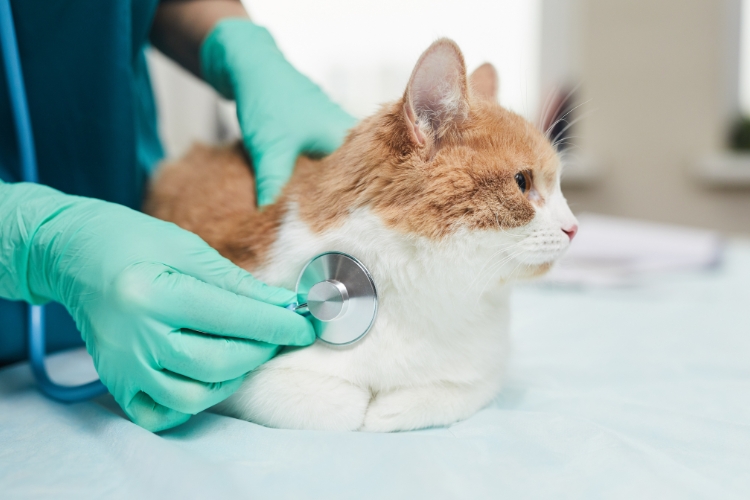
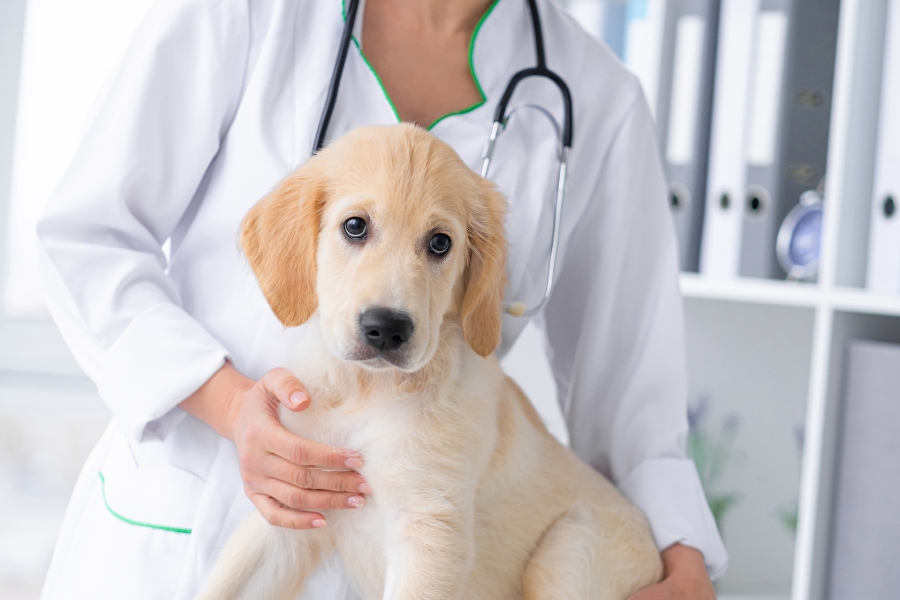
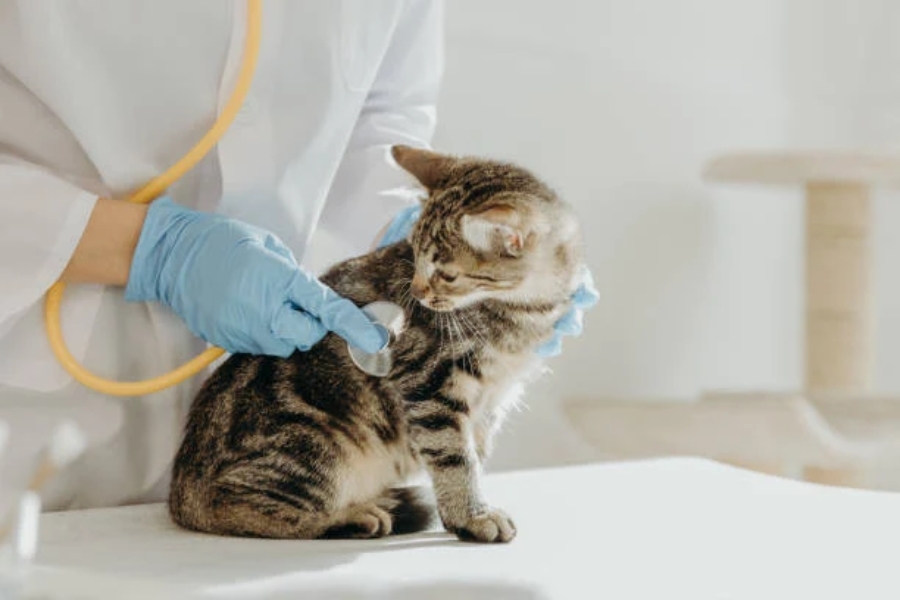
Wellness visits are comprehensive health evaluations designed to assess your pet’s physical condition, internal health, and lifestyle needs. Instead of focusing on illness, these visits emphasize prevention and early detection. During a typical appointment, your veterinarian examines your pet from nose to tail while also reviewing diet, behavior, and medical history.
Unlike emergency or sick visits, pet wellness exams aim to keep problems from developing in the first place. This proactive approach allows veterinarians to catch subtle changes that pet owners may not notice at home.
Why Preventive Veterinary Care Matters
Pets age faster than humans, which means health changes can occur quickly. Therefore, routine checkups are essential for monitoring development and identifying risks early. When health concerns are detected sooner, treatment options are often less invasive, more affordable, and more effective.
Additionally, preventive care reduces the likelihood of sudden emergencies. By staying ahead of potential problems, you help your pet enjoy more active, comfortable years by your side.
1. Early Detection of Health Issues
One of the most significant benefits of routine wellness visits is early disease detection. Many serious conditions—such as kidney disease, diabetes, arthritis, or heart problems—develop gradually and show few outward symptoms at first.
During a thorough examination, your veterinarian can identify warning signs through physical checks and diagnostic screenings. Catching these conditions early allows for better management and often slows disease progression, giving your pet a better prognosis.
2. Tailored Vaccination and Parasite Prevention
Vaccinations protect pets from preventable yet potentially life-threatening diseases. However, not every pet needs the same vaccination schedule. Your veterinarian customizes vaccines based on age, lifestyle, and risk factors.
Moreover, routine visits help ensure year-round protection from fleas, ticks, and intestinal parasites. These parasites not only affect pets but can also pose health risks to humans. Consistent prevention keeps your household safer and healthier.
3. Monitoring Weight, Nutrition, and Lifestyle
Maintaining a healthy weight is crucial for your pet’s longevity. Obesity can lead to joint pain, diabetes, heart disease, and decreased mobility. During wellness visits, veterinarians track weight trends and body condition to catch unhealthy changes early.
In addition, nutrition counseling helps ensure your pet receives the right diet for their life stage and activity level. Small adjustments in feeding habits can significantly improve energy levels and overall health.
4. Dental Health Evaluation
Dental disease is one of the most common yet overlooked health problems in pets. Without regular evaluation, plaque buildup can lead to painful infections, tooth loss, and even organ damage.
During routine checkups, veterinarians assess oral health and recommend cleanings or at-home care when necessary. Healthy teeth and gums contribute to better digestion, reduced pain, and fresher breath.
5. Supporting Senior Pets as They Age
As pets grow older, their healthcare needs evolve. Senior pets benefit greatly from more frequent monitoring, as age-related conditions can develop rapidly.
Wellness visits help track mobility changes, cognitive function, and internal health markers. By adjusting care plans as your pet ages, veterinarians help maintain comfort and quality of life well into the senior years.
6. Building a Strong Veterinary Relationship
Regular visits foster a trusting relationship between your pet, your veterinarian, and your family. When your vet becomes familiar with your pet’s normal behavior and health patterns, it becomes easier to identify abnormalities.
Furthermore, pets that visit the clinic regularly often experience less anxiety during appointments. Familiar faces and routines make visits calmer and more positive over time.
How Often Should Your Pet Have a Wellness Visit?
The frequency of visits depends on your pet’s age and health status. Puppies and kittens typically require multiple visits during their first year. Adult pets generally benefit from annual checkups, while senior pets may need visits every six months.
Your veterinarian will recommend a schedule tailored to your pet’s specific needs, ensuring they receive the right level of care at every life stage.
Choosing the Right Veterinary Partner
Selecting a veterinary hospital that prioritizes preventive care makes all the difference. At Union Hill Animal Hospital, our team focuses on compassionate, personalized care designed to support your pet’s long-term health. We take the time to educate pet owners, answer questions, and create customized wellness plans that fit each pet’s lifestyle.
Pet owners throughout Canton, GA trust us to deliver consistent, high-quality veterinary care in a welcoming environment.
Preventive care is one of the greatest gifts you can give your pet. Regular wellness visits support early detection, healthier lifestyles, and stronger relationships with your veterinary team. By staying proactive, you help ensure your pet enjoys more happy, healthy years with your family.
If you are in Canton, GA and looking for a pet wellness exams, book an appointment with Union Hill Animal Hospital today and take the first step toward lifelong pet health.
FAQs
Q1. Why are pet wellness exams important even if my pet seems healthy?
Ans: Pets often hide signs of illness. Regular wellness exams help detect health issues early, before symptoms become noticeable. Early detection allows for faster treatment and better long-term outcomes.
Q2. How often should my pet have a wellness exam?
Ans: Most adult pets should have a wellness exam once a year. Puppies, kittens, and senior pets may need more frequent visits to monitor growth, aging, and changing health needs.
Q3. What does a veterinarian check during a wellness exam?
Ans: A veterinarian performs a full physical examination, checks weight and vital signs, evaluates dental health, reviews vaccination status, and discusses diet, behavior, and lifestyle factors.
Q4. Are wellness exams different for dogs and cats?
Ans: While the overall purpose is the same, exams are tailored to each species. Dogs and cats have different health risks, vaccination needs, and behavioral considerations that your veterinarian addresses individually.
Q5. Can wellness exams help prevent serious diseases?
Ans: Yes. Routine exams help identify risk factors and early signs of conditions such as heart disease, diabetes, arthritis, and kidney problems, allowing preventive care or early intervention.
Q6. What should I bring to my pet’s wellness appointment?
Ans: Bring your pet’s medical records, vaccination history, a list of medications or supplements, and notes about any changes in behavior, appetite, or activity levels.