A healthy mouth plays an important role in a dog’s comfort, nutrition, and overall well-being. While many pet owners notice bad breath first, gum disease can develop gradually without obvious signs in the early stages. Plaque and tartar can build up around the teeth, allowing bacteria to affect the gums and eventually damage the tissues and structures that support the teeth.
For families seeking reliable pet dental care, understanding how gum disease develops can make it easier to recognize changes in a dog’s mouth and seek appropriate veterinary guidance. Regular oral examinations and professional cleanings can help identify dental problems before they become more advanced.
What Causes Gum Disease in Dogs?
Gum disease, also called periodontal disease, begins when bacteria-containing plaque accumulates on the teeth. Plaque is a sticky film that develops naturally after a dog eats. If it is not removed, it can combine with minerals in saliva and harden into tartar.
Tartar creates a rough surface where additional plaque can collect. As bacteria accumulate along and beneath the gumline, the surrounding gums may become irritated and inflamed.
Several factors can influence a dog’s risk of developing gum disease, including age, genetics, oral hygiene, diet, chewing habits, and the shape and alignment of the teeth. Smaller dogs may also be more susceptible because their teeth can be crowded within a relatively small mouth.
Regular examinations by a Canton veterinarian can help identify plaque, tartar, gum inflammation, and other oral changes before they progress.
What Are the Stages of Gum Disease?
Gum disease generally progresses through several stages. Recognizing these stages helps explain why early dental care matters.
Stage 1: Gingivitis
The earliest stage is gingivitis, which involves inflammation of the gums. The gums may appear red, swollen, or more sensitive than normal. Some dogs may have mild bleeding around the gumline.
At this stage, the structures supporting the teeth have not yet experienced significant damage. With appropriate professional dental care and ongoing home care, the condition may be managed before it progresses.
Stage 2: Early Periodontal Disease
As plaque and tartar continue to accumulate, bacteria can begin moving beneath the gumline. Small spaces called periodontal pockets may develop between the teeth and gums.
Bad breath can become more noticeable, and the gums may remain red or irritated. Professional cleaning becomes increasingly important because brushing alone cannot remove hardened tartar from areas beneath the gumline.
Stage 3: Moderate Periodontal Disease
Moderate periodontal disease involves more significant inflammation and damage to the tissues supporting the teeth. Dogs may experience discomfort while chewing, increased drooling, or changes in eating habits.
The gums may bleed more easily, and teeth can begin to loosen as supporting tissues deteriorate. Dental X-rays may be recommended to evaluate structures that cannot be seen during a visual examination.
Stage 4: Advanced Periodontal Disease
Advanced disease can result in substantial loss of the tissues and bone supporting the teeth. Teeth may become loose, painful, or severely damaged.
At this stage, treatment may involve removing severely diseased teeth and addressing affected areas of the mouth. Early intervention is therefore important for protecting oral health and maintaining a dog’s comfort.
How Can You Tell If Your Dog Has Gum Disease?
Dogs do not always show obvious signs of dental discomfort, so routine observation is important. Common signs can include:
- Persistent bad breath
- Red, swollen, or bleeding gums
- Yellow or brown buildup on the teeth
- Difficulty chewing or eating
- Excessive drooling
- Pawing at the mouth
- Facial swelling
- Reluctance to chew on toys or harder foods
- Loose or damaged teeth
Some dogs continue eating normally despite having significant dental disease. This is why a lack of obvious symptoms does not necessarily mean a dog has a healthy mouth.
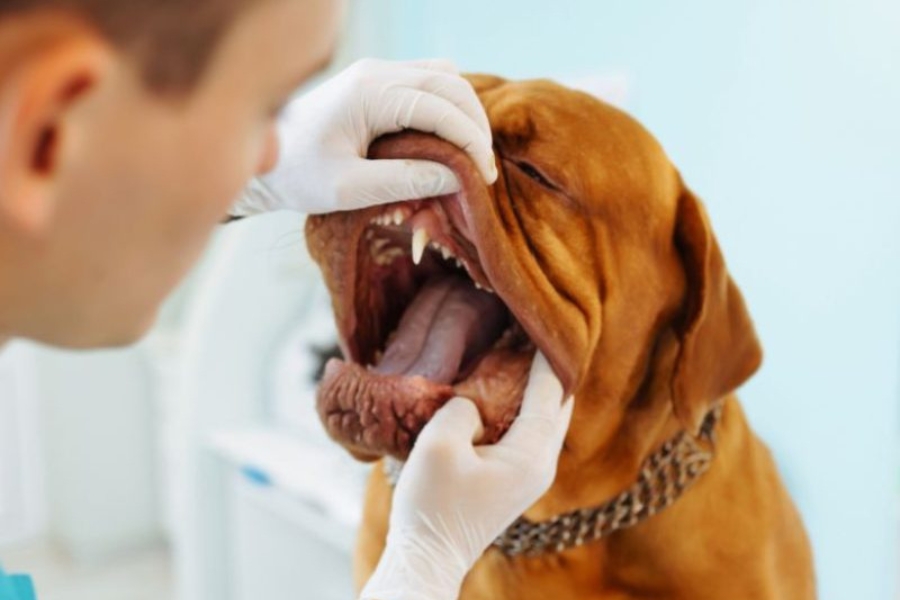
If you notice changes in your dog’s teeth, gums, breath, or eating habits, a veterinary examination can help determine whether dental disease is present.
How Is Gum Disease Treated?
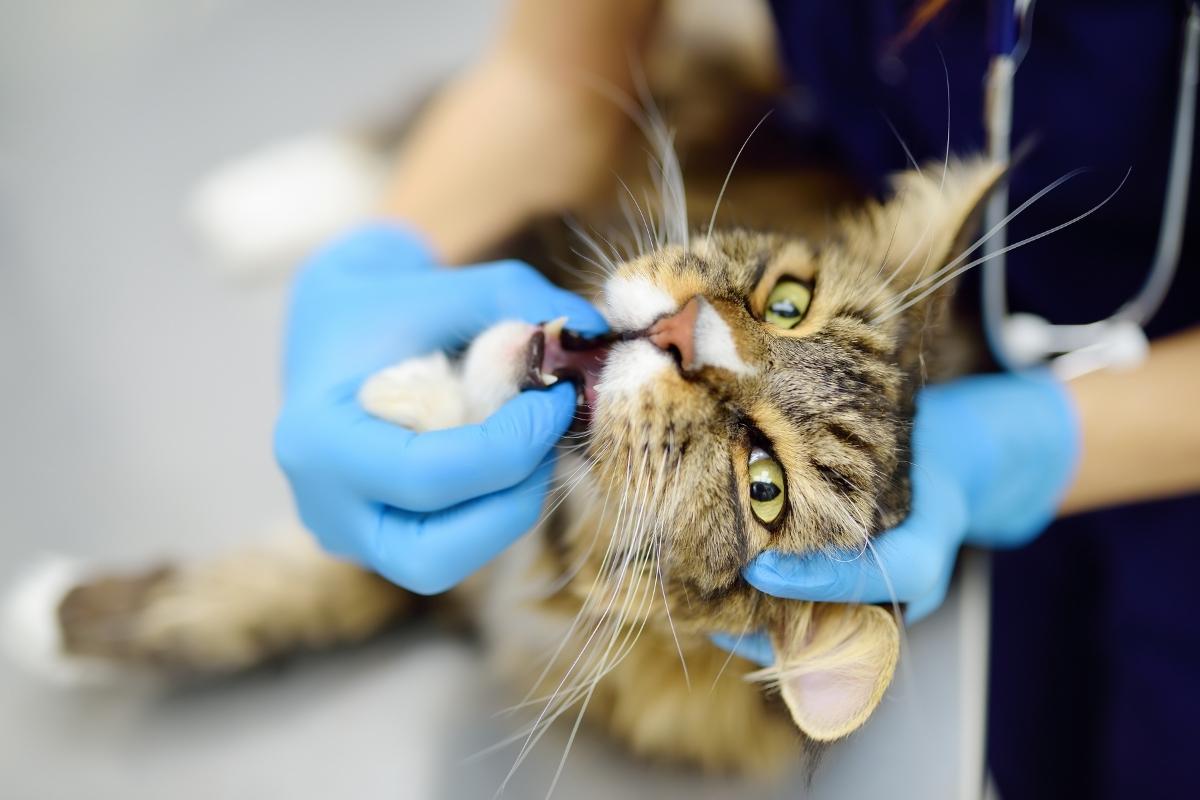
Treatment depends on the severity of the condition. A professional dental cleaning typically begins with an examination of the teeth, gums, and mouth. Dental equipment can then be used to remove plaque and tartar from both above and below the gumline. The teeth are polished afterward to help create a smoother surface that is less likely to accumulate plaque quickly.
When a tooth is severely diseased or causing pain, treatment may include addressing or removing that tooth while the pet is under anesthesia. Dental procedures allow the veterinary team to evaluate areas that are difficult to assess during a routine visual inspection.
The goal of treatment is not only to clean the visible surfaces of the teeth but also to address disease around the gums and supporting structures.
How Can Pet Owners Help Prevent Gum Disease?
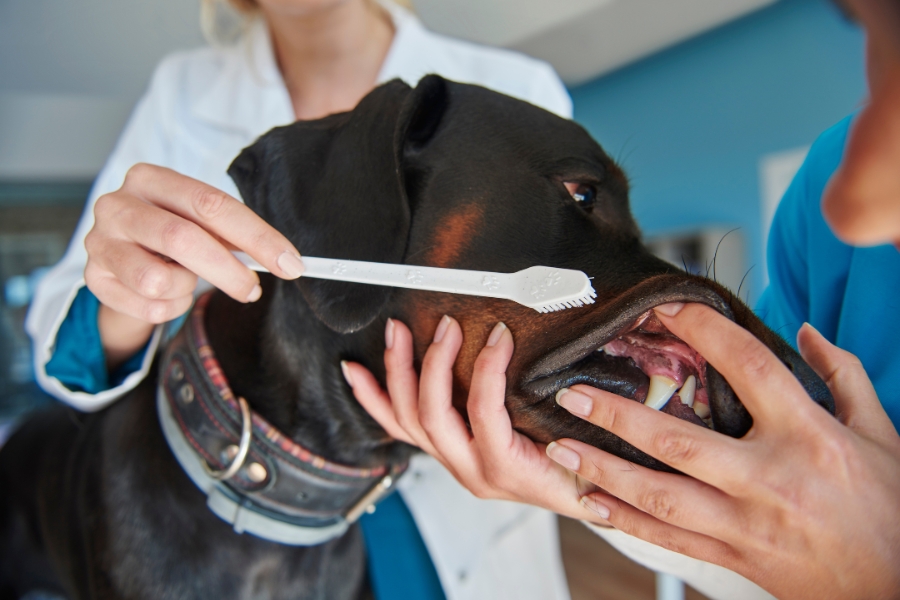
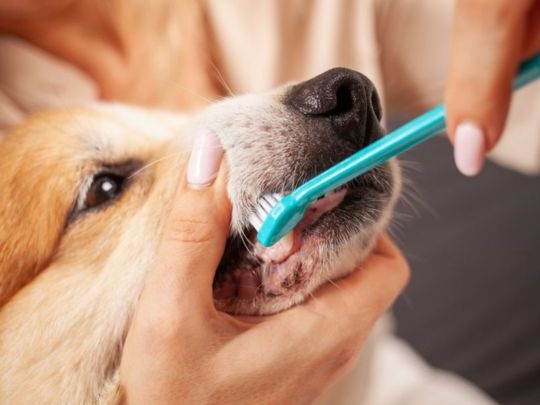
Professional dental care is an important part of maintaining oral health, but home care also matters. Depending on your veterinarian’s recommendations, you may be able to help reduce plaque buildup by brushing your dog’s teeth regularly with products designed specifically for pets.
Dental diets, chews, and other oral-care products may also be useful for some dogs. However, these products should complement professional dental examinations rather than replace them.
A vet can evaluate your dog’s individual dental needs and recommend an appropriate home-care routine. Regular wellness visits also provide opportunities for the veterinary team to check the mouth and identify changes that may not be obvious at home.
Why Professional Dental Care Matters
Professional dental cleanings allow veterinary professionals to evaluate the entire mouth and remove hardened tartar that cannot be eliminated through ordinary brushing. Union Hill Animal Hospital notes that its dental cleaning process includes a careful examination, removal of plaque and tartar above and below the gumline, and polishing of the teeth.
For pet owners looking for a veterinary hospital near you, choosing a practice that can evaluate and manage dental health can make ongoing oral care easier. Consistent monitoring can help identify developing problems and support better long-term dental health.
Supporting Your Dog’s Long-Term Oral Health
Healthy gums and teeth contribute to a dog’s comfort and quality of life. Understanding the causes and stages of gum disease makes it easier for pet owners to recognize potential problems and take action before dental disease becomes more advanced.
If you notice persistent bad breath, inflamed gums, tartar buildup, difficulty chewing, or other changes in your dog’s mouth, professional evaluation can help determine the right next step. For ongoing veterinary care in Canton, Union Hill Animal Hospital provides professional dental cleanings designed to support your pet’s oral health and overall well-being. Schedule an appointment with our animal hospital to have your dog’s dental health evaluated and discuss appropriate care.
Frequently Asked Questions
1. What is the first sign of gum disease in dogs?
Ans: Bad breath is often one of the first noticeable signs. Red or swollen gums, yellow or brown tartar, and mild gum bleeding can also indicate early dental disease.
2. Can gum disease make a dog’s teeth fall out?
Ans: Yes. Advanced periodontal disease can damage the tissues and bone that support the teeth. As this support deteriorates, teeth can become loose and may eventually need to be removed.
3. Can I remove tartar from my dog’s teeth at home?
Ans: Home brushing can help control plaque, but hardened tartar generally requires professional dental cleaning. Attempting to scrape tartar from the teeth yourself can injure the gums or damage the tooth surface.
4. How often should my dog have a dental examination?
Ans: The appropriate schedule depends on your dog’s age, breed, oral health, and individual risk factors. Your veterinarian can recommend how frequently your dog’s mouth should be evaluated.
5. Is bad breath normal for dogs?
Ans: Persistent bad breath should not simply be considered normal. It can be associated with plaque, tartar, gingivitis, periodontal disease, or other oral problems. A dental examination can help identify the underlying cause.
6. Can gum disease be prevented completely?
Ans: Gum disease cannot always be completely prevented, but consistent home dental care, professional cleanings, and regular oral examinations can help reduce plaque buildup and identify problems early.