Maintaining your cat’s oral health is an essential part of their overall well-being, yet it’s often overlooked by many pet owners. Dental disease is one of the most common health issues in cats, and without proper care, it can lead to pain, tooth loss, and even systemic health problems affecting the heart, liver, and kidneys. The good news is that with the right approach, brushing your cat’s teeth can become a manageable and even rewarding routine.
If you live in Canton or the surrounding area, this easy guide will help you understand the importance of feline dental care and how to safely brush your cat’s teeth at home.
Why Brushing Your Cat’s Teeth Matters
Cats naturally develop plaque on their teeth, which can harden into tartar if not removed. Over time, this buildup can lead to gingivitis, periodontal disease, and infections. Regular brushing helps:
- Prevent plaque and tartar buildup
- Reduce bad breath
- Protect gums from inflammation
- Lower the risk of serious health complications
Routine dental care, combined with regular visits to a veterinarian, plays a key role in keeping your cat healthy and comfortable.
Signs Your Cat May Have Dental Problems
Before starting a brushing routine, it’s important to recognize signs of dental issues. Contact your veterinarian if you notice:
- Bad breath
- Red or swollen gums
- Difficulty eating or chewing
- Drooling excessively
- Pawing at the mouth
- Yellow or brown buildup on teeth
Early detection can make treatment easier and more effective.
What You’ll Need to Get Started
Using the right tools will make the process smoother for both you and your cat:
- A cat-specific toothbrush or finger brush
- Pet-safe toothpaste (never use human toothpaste)
- Treats or rewards for positive reinforcement
- A calm, quiet environment
These tools are designed specifically for pets and help ensure safety and comfort during brushing.
Step-by-Step Guide to Brushing Your Cat’s Teeth
1. Get Your Cat Comfortable
Start by letting your cat get used to having their mouth touched. Gently lift their lips and touch their teeth and gums for a few seconds at a time. Reward them afterward to create a positive association.
2. Introduce the Toothpaste
Allow your cat to taste the pet-safe toothpaste. Many formulas come in flavors like poultry or seafood, which cats enjoy.
3. Start Slowly
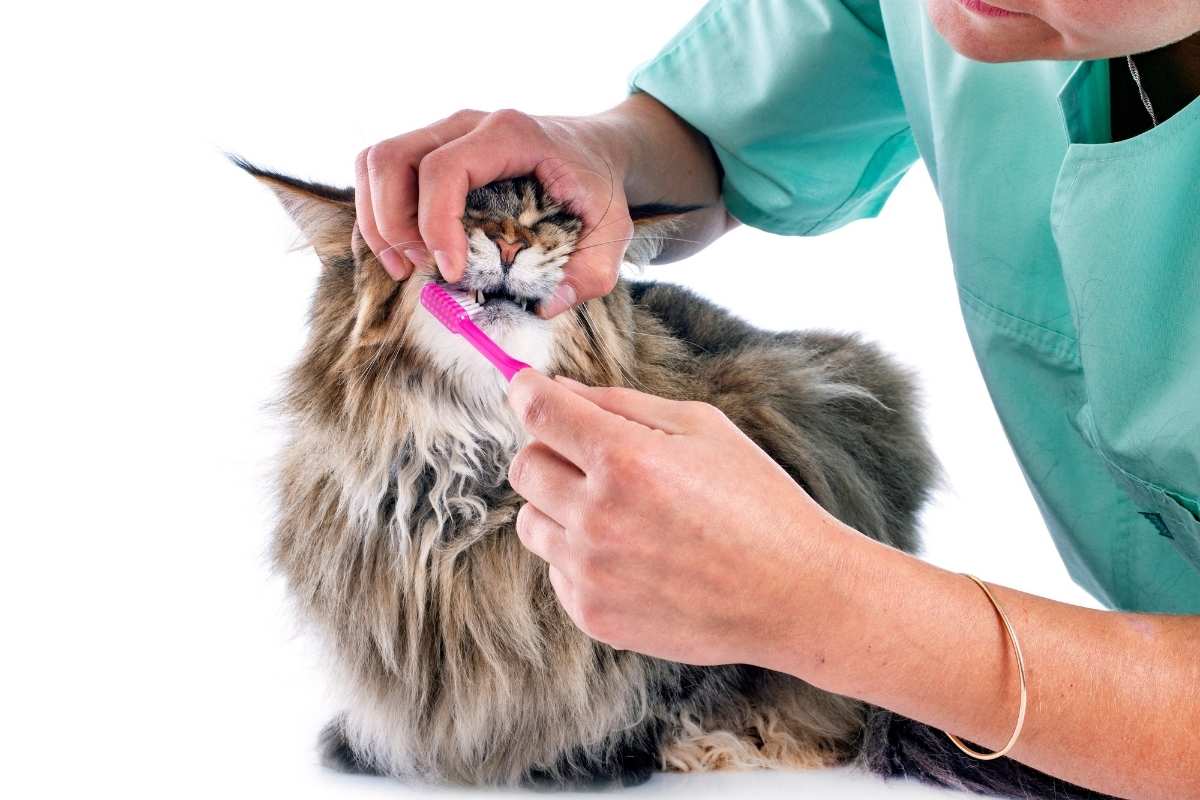
Begin by brushing just a few teeth at a time. Focus on the outer surfaces, as this is where plaque tends to accumulate the most.
4. Use Gentle Motions
Hold the brush at a slight angle and use small, circular motions. Be gentle to avoid irritating the gums.
5. Keep Sessions Short
Aim for 30–60 seconds initially and gradually increase the duration as your cat becomes more comfortable.
6. Reward Your Cat
Always end the session with praise or a treat. This reinforces positive behavior and makes future brushing easier.
How Often Should You Brush Your Cat’s Teeth?
Ideally, you should brush your cat’s teeth daily. However, even brushing a few times a week can significantly improve their oral health. Consistency is more important than perfection, so find a routine that works for you and your pet.
Tips for Success
- Start dental care early, especially with kittens
- Be patient and go at your cat’s pace
- Never force your cat, as this can create fear
- Use dental treats or toys as supplements, not replacements
- Schedule regular dental checkups with a veterinarian
Remember, every cat is different. Some may adapt quickly, while others may take time to feel comfortable.
When to Seek Professional Dental Care
Even with regular brushing, professional cleanings are sometimes necessary. A veterinarian can perform a thorough dental exam and cleaning under safe conditions. This helps remove hardened tartar and identify any underlying issues.
If your cat shows signs of advanced dental disease, prompt veterinary care is essential to prevent further complications.
Supporting Your Cat’s Oral Health Long-Term
Brushing your cat’s teeth is just one part of a complete dental care routine. To keep your cat’s mouth healthy:
- Provide a balanced diet
- Use vet-approved dental products
- Monitor for changes in eating habits or behavior
- Schedule routine wellness exams
At Union Hill Animal Hospital, we are committed to helping pets in Canton and the surrounding area maintain excellent oral and overall health. If you have questions about your cat’s dental care or need guidance, don’t hesitate to reach out.
Schedule an appointment today to ensure your cat receives expert dental care from a trusted veterinarian.
Frequently Asked Questions
1. Is it really necessary to brush my cat’s teeth?
Ans: Yes, brushing helps prevent plaque buildup and reduces the risk of dental disease, which can impact your cat’s overall health.
2. Can I use human toothpaste for my cat?
Ans: No, human toothpaste contains ingredients that can be harmful to cats. Always use pet-safe toothpaste.
3. What if my cat refuses to let me brush their teeth?
Ans: Start slowly, use positive reinforcement, and be patient. If brushing isn’t possible, consult your veterinarian for alternative dental care options.
4. How often should I take my cat to the veterinarian for dental checkups?
Ans: Annual exams are recommended, but some cats may need more frequent visits depending on their dental health.
5. Are dental treats effective for cats?
Ans: Dental treats can help reduce plaque but should not replace regular brushing or professional care.
6. At what age should I start brushing my cat’s teeth?
Ans: It’s best to start when your cat is young, but adult cats can also learn with gradual training and patience.