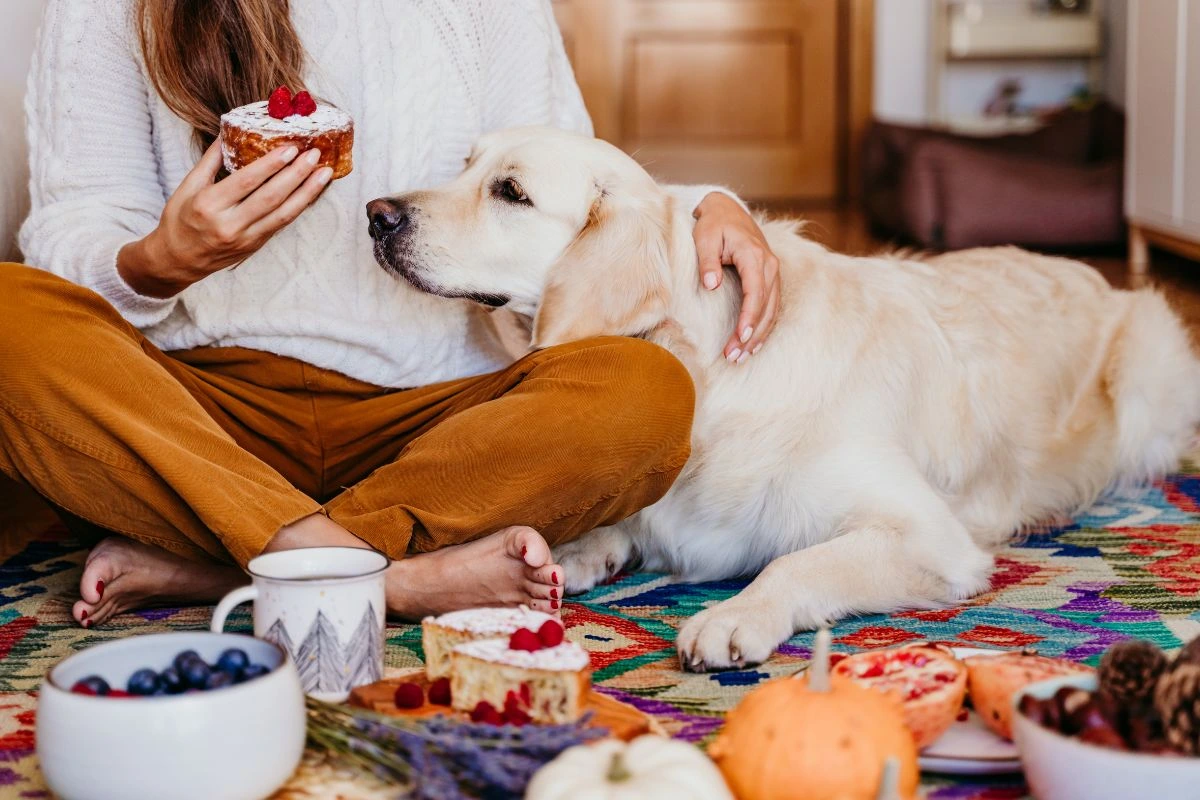
As pet owners, we often show love by sharing food with our furry companions. However, not all human foods are safe for pets. In fact, some everyday items found in your kitchen can be toxic and lead to serious health complications.
Understanding which foods to avoid is essential to protect your pet’s well-being. In this guide, we’ll cover the most dangerous human foods for dogs and cats, warning signs of poisoning, and when to seek immediate veterinary care—especially helpful for pet families in Canton.
Why Human Foods Can Be Harmful to Pets
Pets process food differently than humans. Their digestive systems and metabolism cannot handle certain ingredients, making even small amounts dangerous.
Some foods affect:
- The nervous system
- Kidney and liver function
- Blood cells and oxygen levels
- Digestive health
Because of these risks, it’s important to avoid feeding pets table scraps and stick to a balanced, pet-approved diet recommended through professional veterinary care.
Toxic Human Foods for Dogs
Chocolate
Chocolate contains theobromine and caffeine, which are toxic to dogs.
Symptoms include:
- Vomiting and diarrhea
- Rapid heart rate
- Tremors or seizures
Dark chocolate is especially dangerous due to higher toxin levels.
Grapes and Raisins
Even small amounts can cause kidney failure in dogs.
Warning signs:
- Lethargy
- Loss of appetite
- Vomiting
- Abdominal pain
Immediate veterinary attention is critical if ingestion occurs.
Onions and Garlic
These foods damage red blood cells and can lead to anemia.
Symptoms:
- Weakness
- Pale gums
- Reduced energy
Both raw and cooked forms are harmful.
Xylitol (Artificial Sweetener)
Found in sugar-free gum and candies, xylitol is extremely toxic.
Effects include:
- Rapid drop in blood sugar
- Seizures
- Liver failure
This is a medical emergency requiring urgent veterinary care.
Avocado
Avocados contain persin, which may cause vomiting and diarrhea in dogs. The pit also poses a choking hazard.
Alcohol
Even small amounts can cause:
- Vomiting
- Breathing difficulty
- Coordination issues
- Coma or death
Pets are far more sensitive to alcohol than humans.
Cooked Bones
Cooked bones can splinter and cause:
- Choking
- Internal injuries
- Intestinal blockage
Always avoid feeding cooked bones.
Excess Salt
Too much salt can lead to sodium ion poisoning.
Symptoms:
- Vomiting
- Tremors
- Seizures
Nutmeg
Nutmeg contains myristicin, which can cause:
- Hallucinations
- Increased heart rate
- Seizures
Toxic Human Foods for Cats
Chocolate
Cats are also sensitive to theobromine, leading to:
- Vomiting
- Seizures
- Rapid breathing
Onions and Garlic
Cats are highly vulnerable to anemia caused by these foods.
Dairy Products
Many cats are lactose intolerant, leading to:
- Diarrhea
- Bloating
- Digestive discomfort
Grapes and Raisins
These can cause kidney failure in cats, even in small amounts.
Alcohol
Alcohol is extremely toxic and can quickly become life-threatening.
Raw Fish
Raw fish may contain harmful parasites and enzymes that destroy essential vitamins, leading to neurological issues.
Caffeine
Caffeine can cause:
- Restlessness
- Heart palpitations
- Tremors
Even small amounts can be dangerous.
Cooked Bones
Just like dogs, cats are at risk of choking and internal injuries from cooked bones.
Raw Eggs
Raw eggs may contain bacteria like Salmonella and can interfere with nutrient absorption.
Signs of Food Toxicity in Pets
If your pet consumes harmful food, watch for:
- Vomiting or diarrhea
- Loss of appetite
- Lethargy
- Tremors or seizures
- Difficulty breathing
These symptoms can appear quickly and worsen without treatment. Immediate veterinary care is crucial in such cases.
What to Do If Your Pet Eats Something Toxic
Quick action can save your pet’s life. Follow these steps:
- Remove access to the harmful food
- Do not induce vomiting unless instructed
- Contact your veterinarian immediately
- Provide details about what and how much was consumed
If you are in Canton, having access to reliable veterinary support ensures faster response during emergencies.
Preventing Food-Related Health Risks
Prevention is always better than treatment. Here’s how to keep your pet safe:
- Avoid feeding table scraps
- Store food securely
- Educate family members about toxic foods
- Use pet-safe treats
- Maintain a balanced diet
Regular checkups and guidance from a trusted provider of veterinary care help prevent accidental poisoning.
Healthy Alternatives for Treating Your Pet
Instead of sharing human food, consider safe alternatives:
- Vet-approved treats
- Fresh vegetables like carrots (in moderation)
- Specially formulated pet snacks
Always consult your veterinarian before introducing new foods.
Final Thoughts
While sharing food may seem harmless, many human foods pose serious risks to pets. Understanding what to avoid helps protect your furry companion from preventable illnesses.
By staying informed and seeking professional guidance, you can ensure your pet lives a safe, healthy, and happy life.
If you are in Canton and concerned about your pet’s diet or health, schedule an appointment with Union Hill Animal Hospital. Their experienced team provides compassionate and comprehensive veterinary care to keep your pets safe from food-related risks and other health concerns.
FAQs
Q1. Can dogs eat grapes or raisins?
Ans. No, even small amounts can cause kidney failure and should be avoided completely.
Q2. Why is chocolate toxic to pets?
Ans. Chocolate contains theobromine, which pets cannot process effectively, leading to serious health issues.
Q3. What should I do if my pet eats something toxic?
Ans. Contact your veterinarian immediately for guidance and emergency care.
Q4. Is alcohol dangerous for pets?
Ans. Yes, even small amounts can be life-threatening and require urgent veterinary attention.
Q5. Are cooked bones safe for pets?
Ans. No, they can splinter and cause internal injuries or choking.
Q6. How can I prevent food poisoning in pets?
Ans. Avoid feeding human foods, store food securely, and follow professional veterinary care recommendations.