
Every year, pet owners across the country celebrate National Pet Day as a reminder of the joy, companionship, and unconditional love pets bring into our lives. But beyond the cuddles and treats, this day is also the perfect opportunity to focus on what truly matters—your pet’s health and well-being.
If you’re in Canton or the surrounding area, taking a proactive approach to your pet’s care can make a lasting difference. Here’s a practical checklist of 10 ways you can improve your pet’s health today and set them up for a happier, longer life.
1. Schedule a Wellness Exam
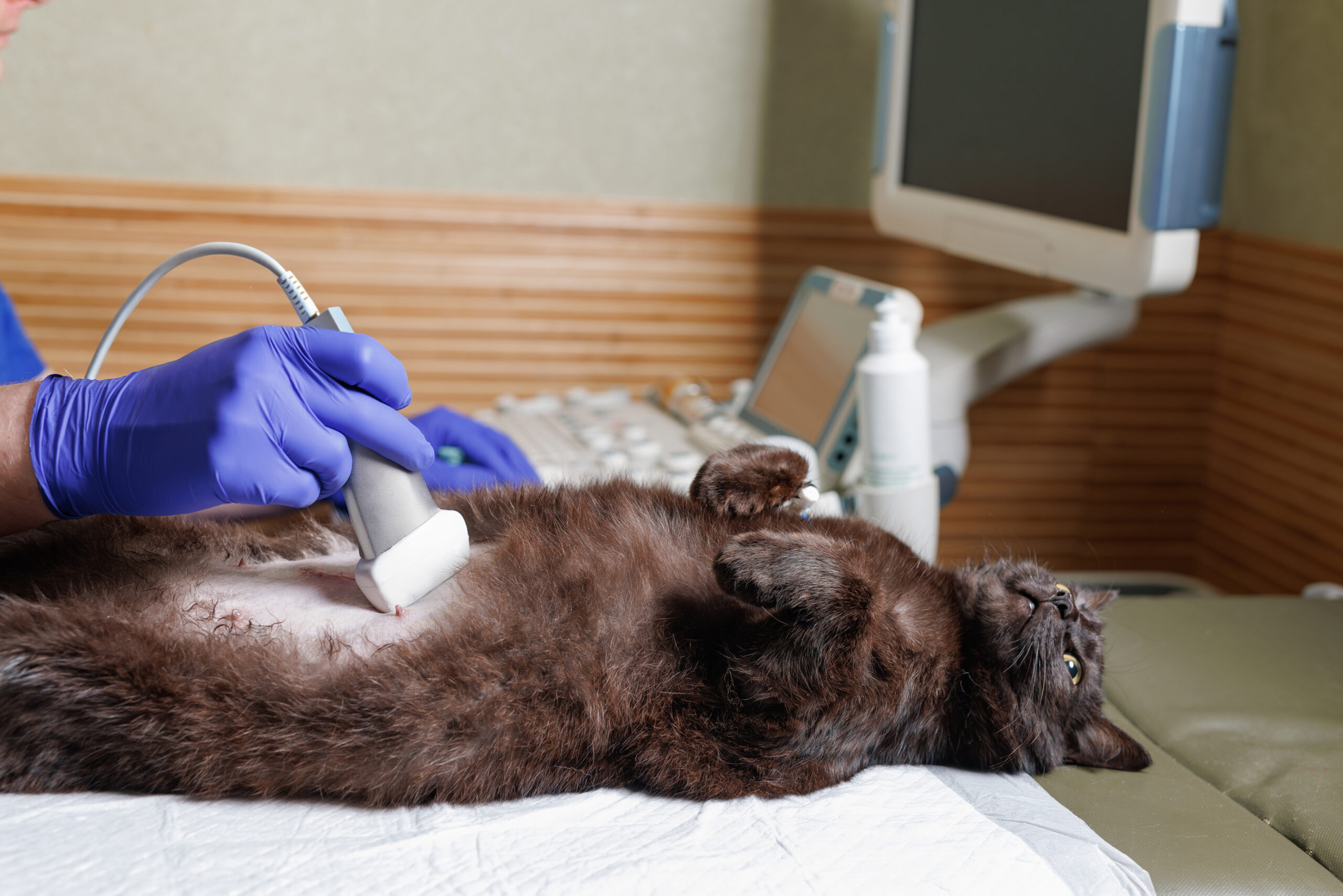
Routine checkups are the foundation of preventive care. A visit to a trusted veterinarian helps detect health issues early—often before symptoms appear. Annual or biannual exams allow for monitoring weight, dental health, and overall condition.
2. Review Vaccinations
Vaccinations protect your pet from serious and potentially life-threatening diseases. Whether you have a playful puppy or a senior cat, staying up to date on vaccines is essential.
Your veterinarian can tailor a vaccination plan based on your pet’s age, lifestyle, and risk factors.
3. Evaluate Your Pet’s Diet
Nutrition plays a critical role in your pet’s overall health. Take a moment to assess:
- Are you feeding the right portion size?
- Is the food appropriate for your pet’s age and breed?
- Are treats being given in moderation?
Switching to a balanced, high-quality diet can improve energy levels, coat health, and digestion.
4. Maintain a Healthy Weight
Obesity is one of the most common health issues in pets and can lead to joint problems, diabetes, and heart disease. If your pet is overweight, even small changes can make a big impact.
Ask your veterinarian about a safe weight management plan tailored to your pet.
5. Prioritize Dental Care
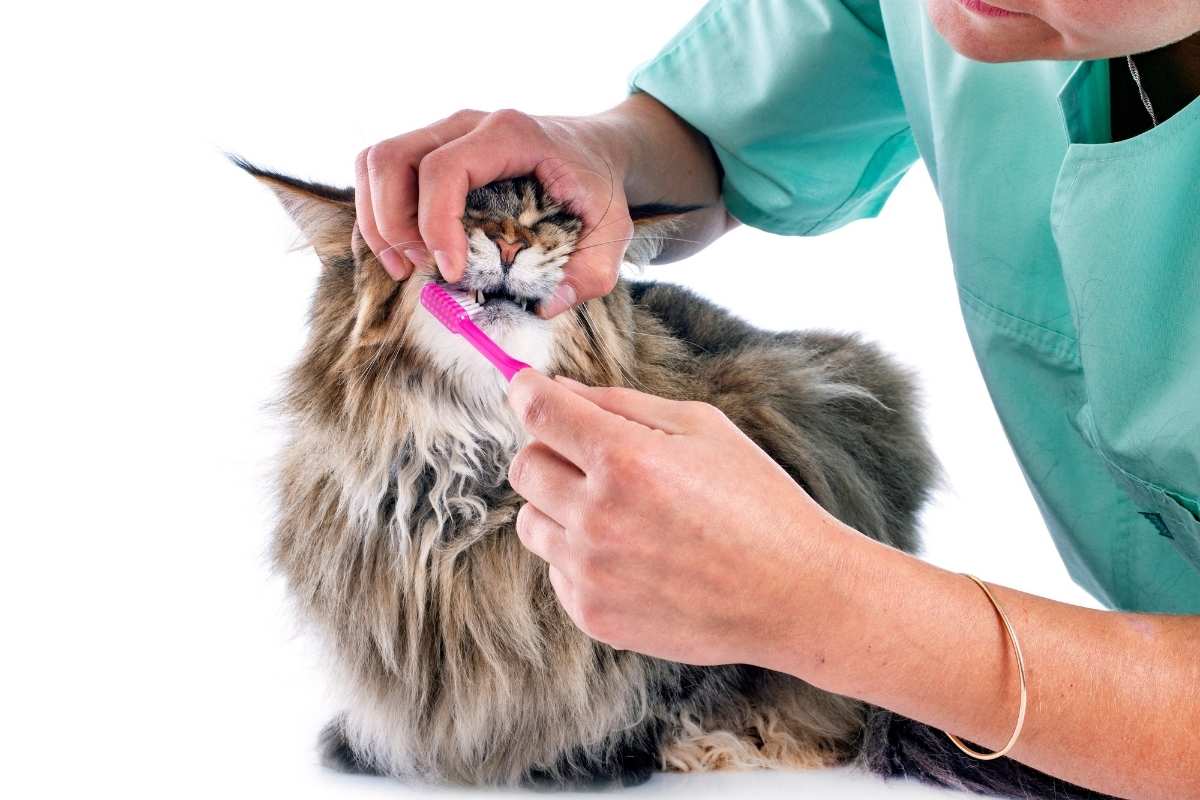
Dental health is often overlooked but is vital for your pet’s overall well-being. Poor oral hygiene can lead to infections and even affect internal organs.
Simple steps include:
- Brushing your pet’s teeth regularly
- Providing dental chews
- Scheduling professional cleanings
6. Keep Up with Parasite Prevention
Fleas, ticks, and heartworms are more than just nuisances—they can cause serious health problems. Year-round parasite prevention is especially important in many parts of the U.S.
Your veterinarian can recommend the best preventive products for your pet’s needs.
7. Encourage Daily Exercise
Regular physical activity helps maintain a healthy weight, improves mental stimulation, and reduces behavioral issues.
Depending on your pet:
- Dogs benefit from walks, playtime, and outdoor activities
- Cats enjoy interactive toys and climbing structures
Even 20–30 minutes of daily activity can significantly boost your pet’s health.
8. Monitor Behavior Changes
Subtle changes in behavior can be early signs of health problems. Watch for:
- Decreased appetite
- Lethargy
- Changes in bathroom habits
- Unusual aggression or anxiety
If you notice anything unusual, consult your veterinarian promptly.
9. Update Identification and Microchipping
Ensuring your pet has proper identification is a simple yet crucial step. Collars with ID tags and microchipping increase the chances of a safe return if your pet gets lost.
Microchipping is quick, safe, and provides lifelong peace of mind.
10. Create a Safe Home Environment
Your home should be a safe haven for your pet. Take time to:
- Remove toxic plants or foods
- Secure medications and chemicals
- Provide a comfortable resting area
A safe environment reduces the risk of accidents and keeps your pet stress-free.
Celebrate with Purpose This National Pet Day
While treats and toys are great, the best gift you can give your pet is good health. By following this checklist, you’re taking meaningful steps to ensure your furry companion thrives for years to come.
If you’re in Canton or nearby communities, partnering with a trusted veterinarian at Union Hill Animal Hospital can make all the difference in your pet’s health journey.
Schedule an appointment today and give your pet the care they deserve.
Frequently Asked Questions (FAQs)
1. How often should I take my pet to a veterinarian?
Most pets should visit a veterinarian at least once a year. Senior pets or those with medical conditions may require more frequent visits.
2. What are the signs that my pet may be overweight?
Common signs include difficulty moving, lack of a visible waistline, and excessive fatigue. Your veterinarian can assess your pet’s weight and recommend a plan.
3. Why is preventive care important for pets?
Preventive care helps detect health issues early, reduces long-term costs, and ensures your pet maintains a high quality of life.
4. Are dental cleanings really necessary for pets?
Yes, professional dental cleanings help prevent periodontal disease, which can lead to pain and more serious health issues if left untreated.
5. What is the best way to protect my pet from parasites?
Year-round preventive medications prescribed by your veterinarian are the most effective way to protect against fleas, ticks, and heartworms.
6. When should I schedule my pet’s next checkup?
If it’s been over a year since your pet’s last exam—or if you notice any changes in behavior—it’s time to schedule an appointment with your veterinarian.