Bringing your pet home after surgery can stir up a mix of emotions — relief, nervousness, and concern. Whether your furry friend just had a simple procedure or a complex operation, the recovery phase is where true healing happens. Your attention, patience, and care play a vital role in helping your pet regain their strength and return to their playful self.
In this guide, you’ll discover how to navigate your pet’s post-surgery journey with confidence, comfort, and compassion.
1. The Calm After the Clinic: Preparing for Recovery at Home
Before your pet even steps paw back home, make sure you’ve prepared a quiet and comfortable recovery zone. This should be a clean, well-padded space away from household noise and other pets.
Keep essentials close — bedding, water, and any prescribed medication. Avoid stairs, slick floors, or furniture that encourages jumping. For dogs, a crate lined with soft blankets can provide security; for cats, a cozy, enclosed area works wonders.
???? Tip: Keep lighting low and background noise minimal for the first 24–48 hours. Calm surroundings reduce anxiety and help pets rest more effectively.
2. Spot the Difference: Normal Healing vs. Warning Signs
Not all post-surgery symptoms are cause for alarm, but knowing how to spot the difference between normal healing and potential complications can save valuable time.
| Normal Recovery Signs | Warning Signs (Call the Vet Immediately) |
| Slight swelling or redness at incision site | Excessive bleeding or pus discharge |
| Mild grogginess or disorientation | Continuous vomiting or diarrhea |
| Reduced appetite for the first day | Complete refusal to eat or drink for 48 hours |
| Occasional licking near incision | Constant biting or scratching at stitches |
| Normal temperature and calm breathing | Heavy panting, shaking, or fever |
If your pet exhibits any warning signs, contact your veterinarian promptly. Early intervention can prevent minor issues from escalating into serious problems.
3. Feeding After Surgery: Gentle Steps for Sensitive Tummies
Most pets feel nauseous or disinterested in food after anesthesia. Start with small, bland meals — boiled chicken, rice, or the vet’s recommended recovery diet. Avoid fatty or rich foods that could upset their stomach.
Encourage hydration, but if your pet refuses water, try offering ice cubes or a shallow dish. Gradually reintroduce regular meals over two to three days as appetite improves.
Pro Tip: Monitor your pet’s bowel movements — constipation or diarrhea can signal discomfort or medication side effects.
4. The Healing Diet: Nourishment for Faster Recovery
Just like humans, pets need proper nutrition to heal efficiently. Protein-rich foods help rebuild tissue, while vitamins and minerals strengthen immunity. Ask your vet if supplements such as omega-3 fatty acids or probiotics can aid recovery.
Remember, each pet’s needs differ. A young puppy recovering from spaying will require different nutrients compared to an older dog healing from orthopedic surgery.
Stay consistent with feeding times and avoid treats unless your vet approves them during the recovery phase.
5. The Art of Wound Care: Clean, Check, and Protect
Your pet’s incision needs daily attention. Wash your hands before touching the area, and gently inspect the wound once or twice a day.
Do not apply ointments, alcohol, or hydrogen peroxide unless your vet specifically instructs you to. These can delay healing or irritate the skin.
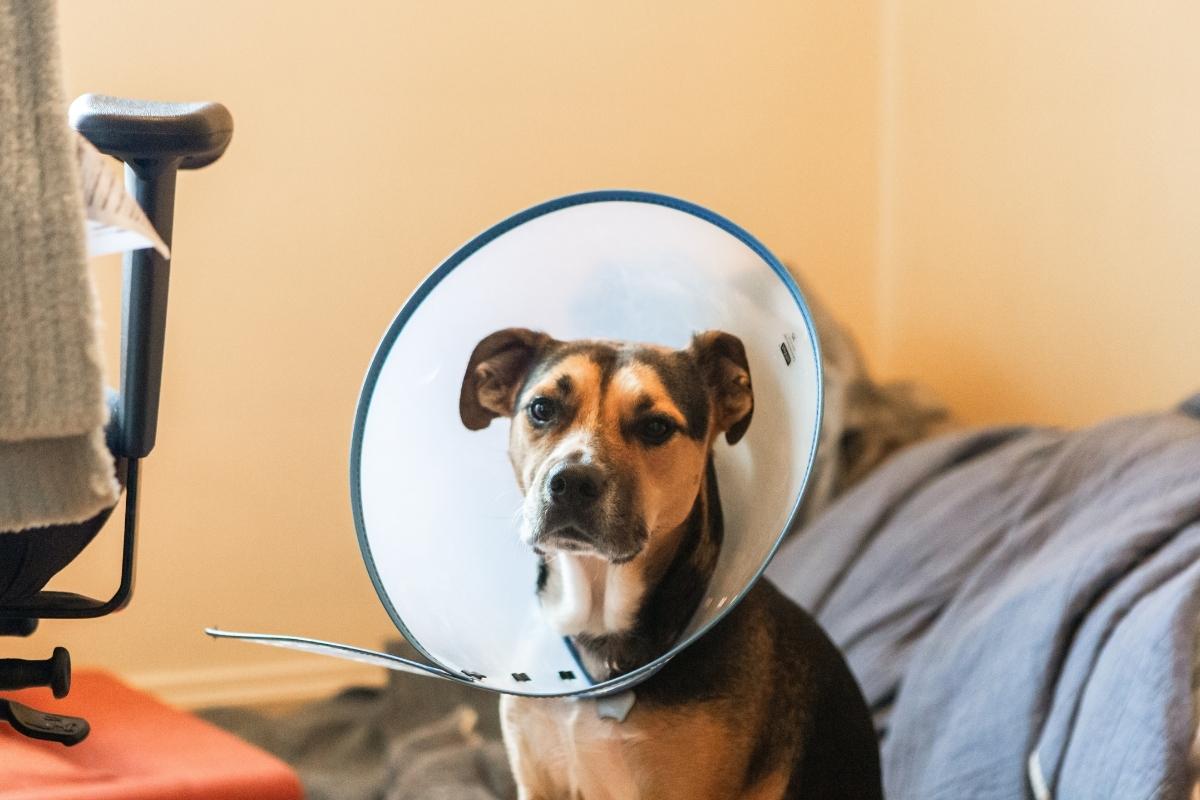
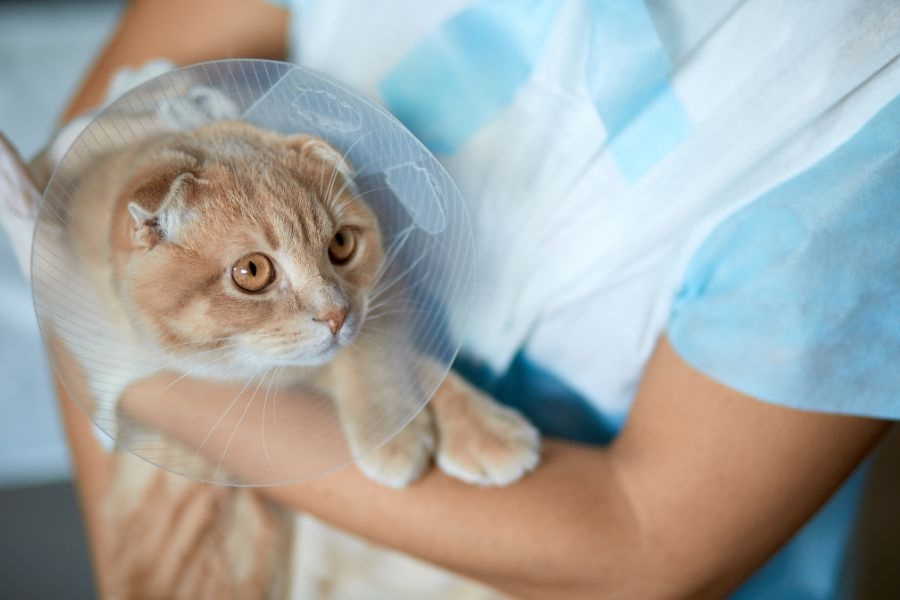
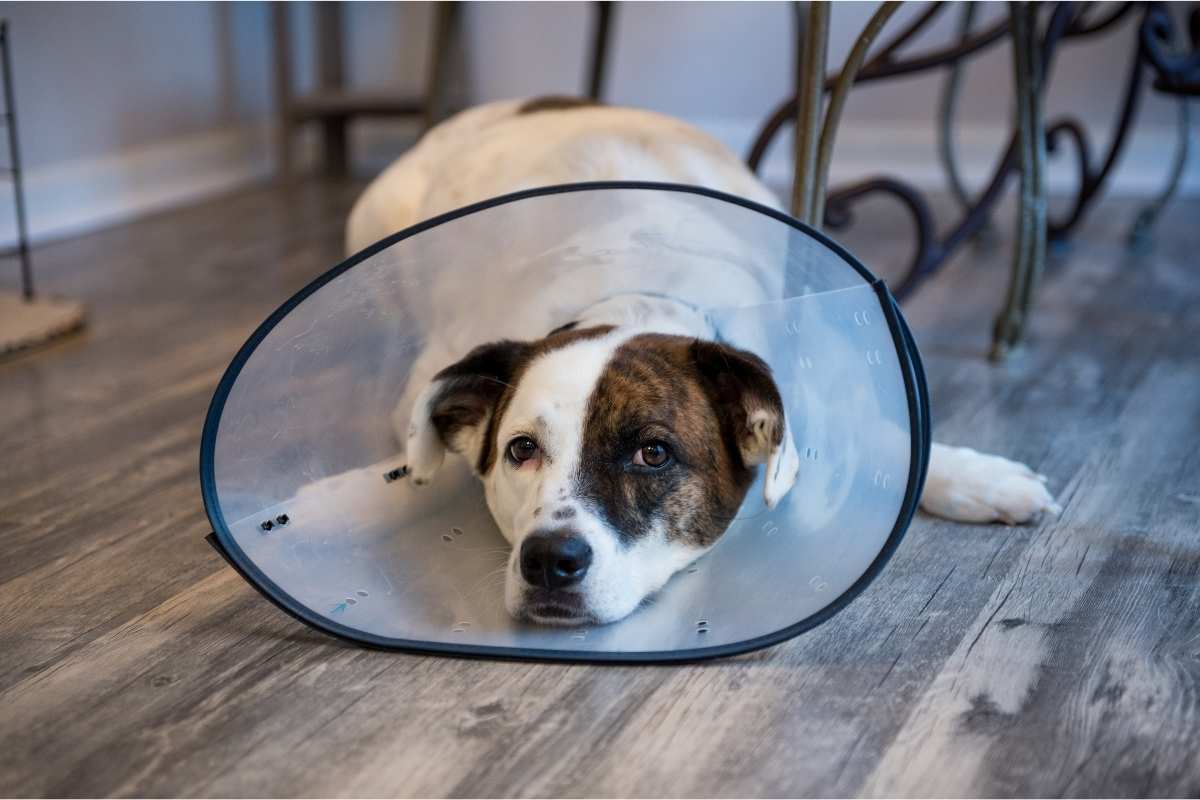
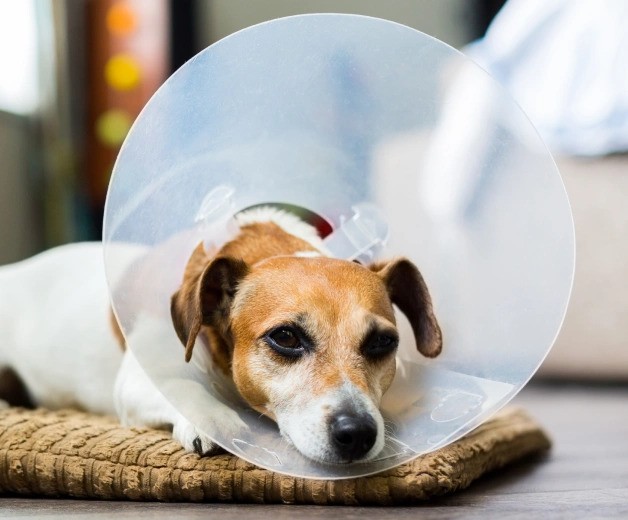
If your pet keeps licking or scratching, use an Elizabethan collar (cone) or a soft recovery collar to protect the stitches. It might look funny, but it prevents painful complications and infection.
6. Medication Matters: Timing Is Everything
Follow your vet’s instructions to the letter when giving pain relievers or antibiotics. Missing a dose can cause discomfort or slow healing.
To make medication time stress-free:
- Hide pills in soft food or treats.
- Reward your pet with gentle praise afterward.
- Keep a medication chart to avoid missing doses.
Never give over-the-counter human medicine — even something as common as ibuprofen can be toxic to pets.
7. Rest, Restrict, Recover: Managing Activity Levels
Your pet’s energy might return before their body is fully healed — don’t be fooled! Even if they seem lively, resist the urge to resume normal activities too soon.
Limit running, jumping, or rough play for at least 10–14 days (or as directed by your vet). Controlled leash walks for dogs and enclosed play areas for cats are safe alternatives.
Gradually reintroduce exercise once your vet confirms the incision has healed completely. Remember, overexertion can reopen wounds or delay recovery.
8. Emotional Care: Healing the Heart Too
Recovery isn’t only about physical healing; it’s emotional, too. Pets may feel confused, anxious, or withdrawn after surgery. Offer reassurance with soft words, gentle petting, and your calm presence.
Avoid hosting guests or introducing new pets during this time. Familiar scents and a peaceful environment help them feel secure.
You’ll notice your pet’s confidence returning day by day — a sign that your care is working wonders.
9. Follow-Up Visits: Your Pet’s Healing Checkpoints
Never skip post-operative appointments. These visits help the vet assess the incision, remove stitches (if necessary), and ensure internal healing is progressing smoothly.
Ask questions during follow-ups — about nutrition, activity, or long-term care. It’s your chance to clarify every concern before your pet resumes their normal routine.
10. Back to Playtime: Signs of Full Recovery
When your pet’s appetite, energy, and mood return to normal, it’s a good sign they’re on the mend. Still, give their body time to rebuild strength before resuming long walks, vigorous play, or grooming sessions.
A full recovery may take anywhere from a week to several months, depending on the procedure. Celebrate small milestones — the first tail wag, playful pounce, or peaceful nap without discomfort.
11. One Step Further: Local Help for Recovery Care
If you ever need professional post-surgical assistance or checkups, trusted clinics offering pet surgery in Canton, GA can guide you through every phase of recovery — from the first day home to the final checkup.
Caring for a recovering pet is a journey of love, patience, and dedication. Each gentle touch, meal served, or word of comfort contributes to their recovery. With attentive care, your pet will not only heal but also emerge stronger and more bonded with you than ever.
Healing takes time — but together, you’ll make every day a step toward wellness and joy.