Neutering your male dog is an important step in responsible pet ownership. Not only does it help reduce the number of unwanted puppies, but it can also offer health benefits and improve your dog’s behavior. However, like any dog surgery, the recovery process is crucial for ensuring a smooth and healthy healing period. Understanding the neutering recovery timeline, how to care for your dog after the procedure, and recognizing warning signs of complications is key to ensuring your dog’s well-being.
At Union Hill Animal Hospital, we know how stressful it can be for both you and your pet to go through surgery. That’s why we’ve put together this comprehensive neutering recovery guide to help you navigate the post-surgery period. Here’s everything you need to know about your male dog’s neutering recovery, including what to expect, how to care for your dog, and what signs to look out for.
Neutering Surgery: What Happens Before and During
Before diving into the recovery process, let’s quickly review what happens during the neutering procedure. Neutering, also known as castration, involves the removal of a male dog’s testicles under general anesthesia. The surgery is relatively quick, usually taking between 30 minutes to an hour, depending on the dog’s size and health.
After the procedure, your dog will be monitored while he wakes up from anesthesia. Most dogs will be able to go home the same day, although some may stay overnight for observation, especially if they have any underlying health issues.
Neutering Recovery Timeline: What to Expect
The recovery timeline after neutering can vary from dog to dog, but here’s a general overview of what to expect during the first few days and weeks:
First 24 Hours:
After the surgery, your dog may still be groggy from anesthesia. It’s important to keep them in a quiet, comfortable space away from distractions. Offer your dog plenty of water, but avoid giving them food for the first few hours. You can gradually offer a small, bland meal once your dog is more alert.
During this time, your dog will likely experience some discomfort, which is normal. The vet may prescribe pain medications to help with any pain or swelling.
Days 2-3:
In the following days, your dog should begin to feel more like himself. They may still be a little lethargic and not as energetic as usual. Some mild swelling and redness around the incision site is normal. Continue to monitor your dog’s behavior, making sure they are eating and drinking normally.
Week 1:
By the end of the first week, your dog should be recovering steadily. You may notice that he’s starting to regain his energy. At this point, it’s important to keep your dog calm and restrict his activity. Avoid running, jumping, or playing rough for at least 7-10 days to prevent the incision site from opening.
Week 2-3:
During this time, your dog should be healing well. The incision site should be less swollen, and the discomfort should be significantly reduced. You can slowly reintroduce light activities, such as short walks. However, be cautious not to let your dog engage in strenuous exercise until fully cleared by the vet.
Week 4 and Beyond:
By the fourth week, most dogs are fully recovered from neutering surgery. At this point, your dog can resume his normal activity level, including playtime and exercise. Make sure to follow up with your veterinarian for a final checkup to ensure everything has healed properly.
Aftercare Tips: How to Help Your Dog Recover
Proper aftercare is essential to ensure a smooth recovery. Here are some key aftercare tips to follow after your dog’s neutering surgery:
- Limit Activity: During the recovery period, it’s important to limit your dog’s activity to prevent strain on the incision site. Avoid rough play, jumping, and running until your veterinarian gives the all-clear.
- Monitor the Incision Site: Keep an eye on the incision site for any signs of infection. The incision should be clean and dry. If you notice any redness, swelling, or discharge, or if the incision site seems to be opening, contact your vet immediately.
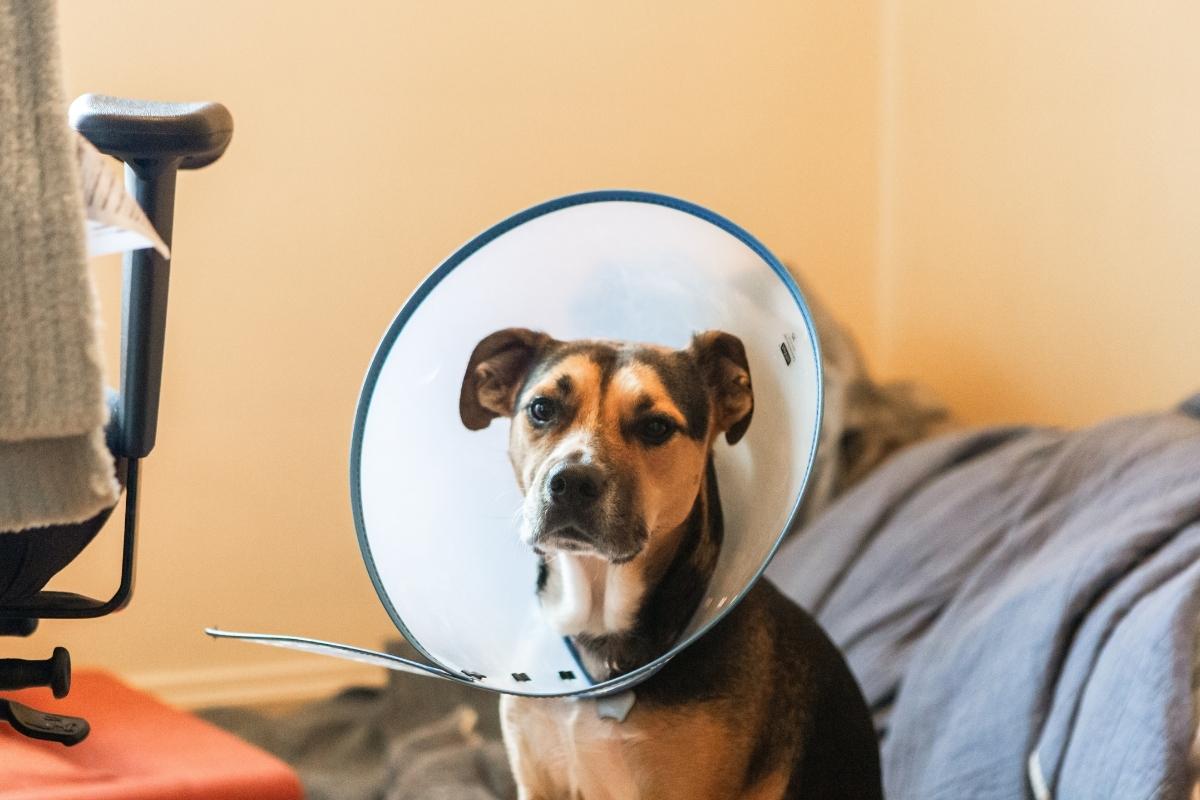
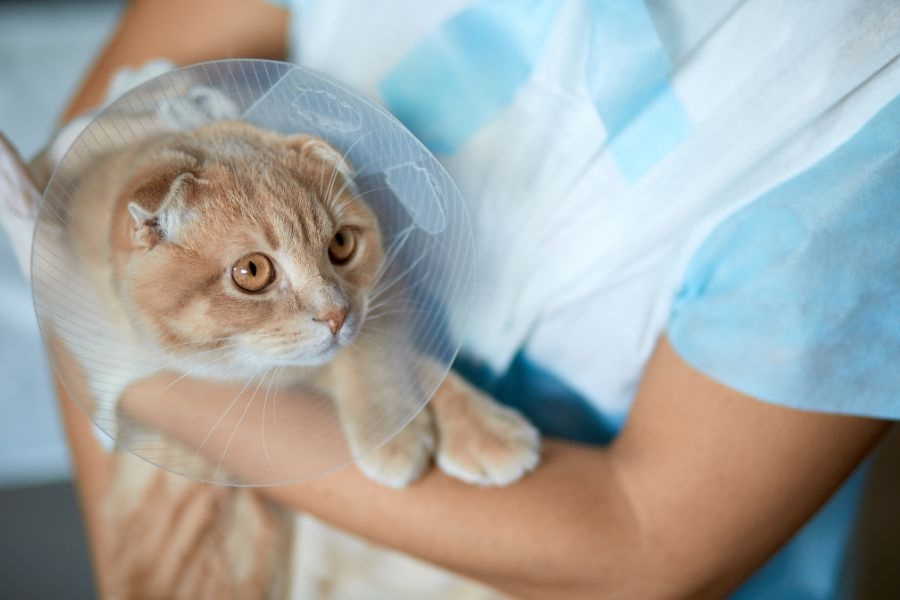
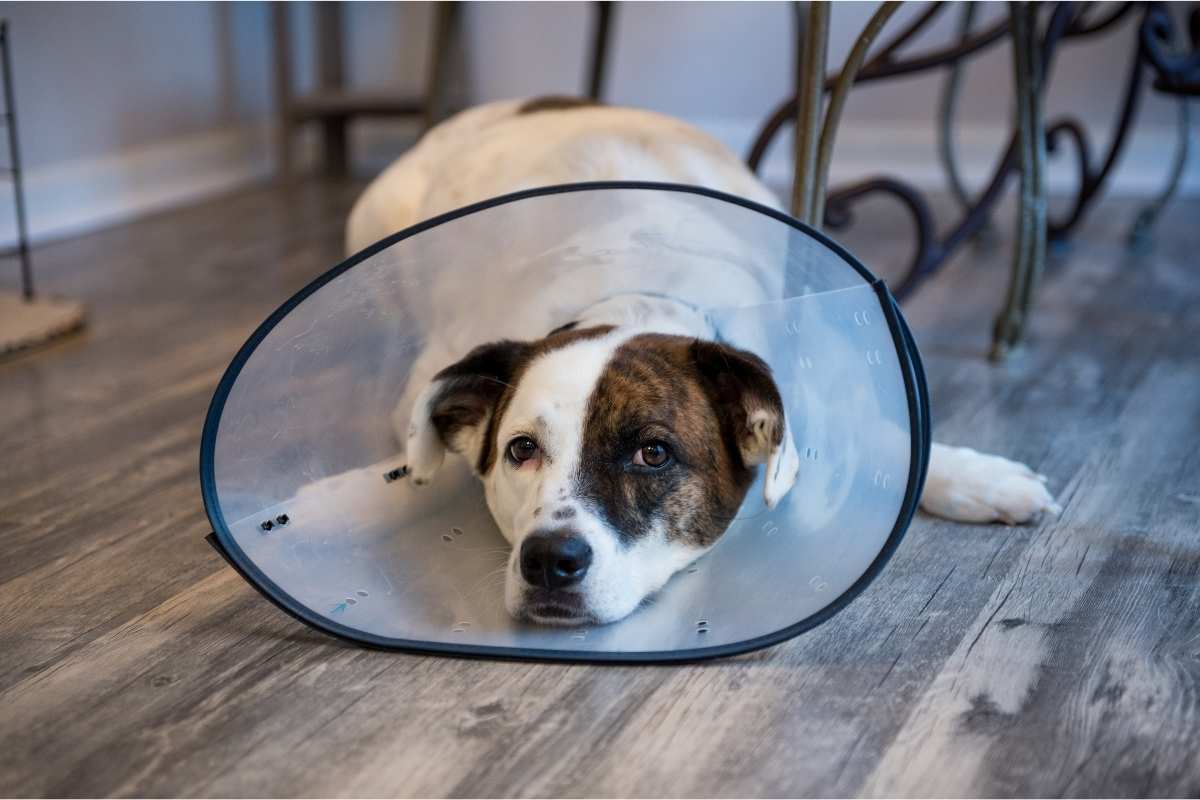
- Use an Elizabethan Collar: To prevent your dog from licking or chewing at the incision site, you may need to use an Elizabethan collar (cone) during the recovery period. This will help keep the area clean and prevent complications.
- Pain Management: Your vet will likely prescribe pain medication to keep your dog comfortable during recovery. Be sure to follow the dosage instructions and give the medication as directed.
- Maintain a Calm Environment: Create a quiet and comfortable space for your dog to rest during recovery. This will help minimize stress and encourage healing.
Warning Signs: When to Contact Your Veterinarian
While most dogs recover smoothly after neutering, there are certain warning signs that indicate your dog may be experiencing complications. Here are some things to watch for:
- Excessive Bleeding: A small amount of bleeding is normal right after surgery, but if you notice that your dog is bleeding heavily or continuously, contact your vet immediately.
- Infection: Signs of infection include redness, swelling, or discharge from the incision site. If the area becomes warm to the touch or your dog seems to be in severe pain, consult your vet.
- Loss of Appetite or Lethargy: If your dog refuses to eat or drink for more than 24 hours after surgery, or if they are unusually lethargic or unresponsive, call your vet for advice.
- Incision Site Opening: If the incision site begins to open or if you notice that your dog is licking or chewing at it despite wearing an Elizabethan collar, it could be a sign of a complication.
If you notice any of these symptoms, contact your veterinarian immediately for guidance and further care.
Recovering from dog surgery like neutering takes time and patience, but with proper care, your dog will return to his usual activities in no time. By following the recommended recovery timeline, providing proper aftercare, and being aware of warning signs, you can help ensure your dog heals smoothly. If you’re in Canton, GA, and need assistance or have concerns about your dog’s neutering recovery, don’t hesitate to contact Union Hill Animal Hospital. We’re here to support your pet through every step of the recovery process and ensure their health and well-being.
FAQs
Q1. How long does it take for a male dog to recover from neutering?
Ans. Most dogs recover within 7-10 days, but full recovery may take up to 2-3 weeks, depending on your dog’s age and overall health.
Q2. Can I walk my dog after neutering?
Ans. Short, calm walks are allowed after the first week, but you should avoid running or strenuous activities for at least 2 weeks.
Q3. Is it normal for my dog to be lethargic after neutering?
Ans. Yes, mild lethargy is normal after surgery. However, if your dog remains lethargic for more than 24-48 hours, contact your vet.
Q4. How can I prevent my dog from licking the incision site?
Ans. An Elizabethan collar or a soft collar is often recommended to prevent your dog from licking or chewing the incision site.
Q5. What should I do if my dog is bleeding excessively after surgery?
Ans. If your dog is bleeding heavily, contact your veterinarian immediately. This could be a sign of a complication that needs urgent attention.
Q6. When can I resume normal activities with my dog after neutering?
Ans. Most dogs can resume normal activities after 2-3 weeks, but follow up with your vet to ensure the incision has healed properly before resuming full activity.