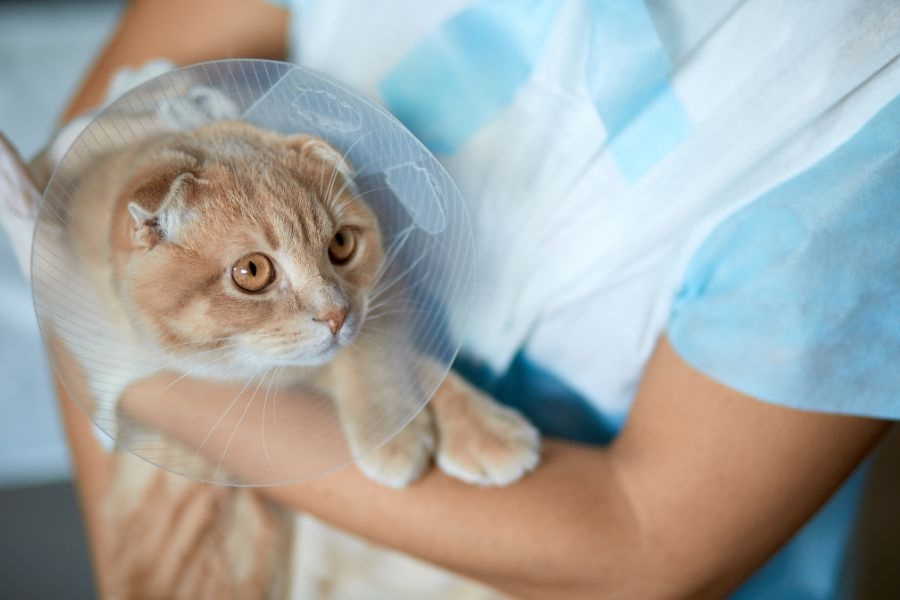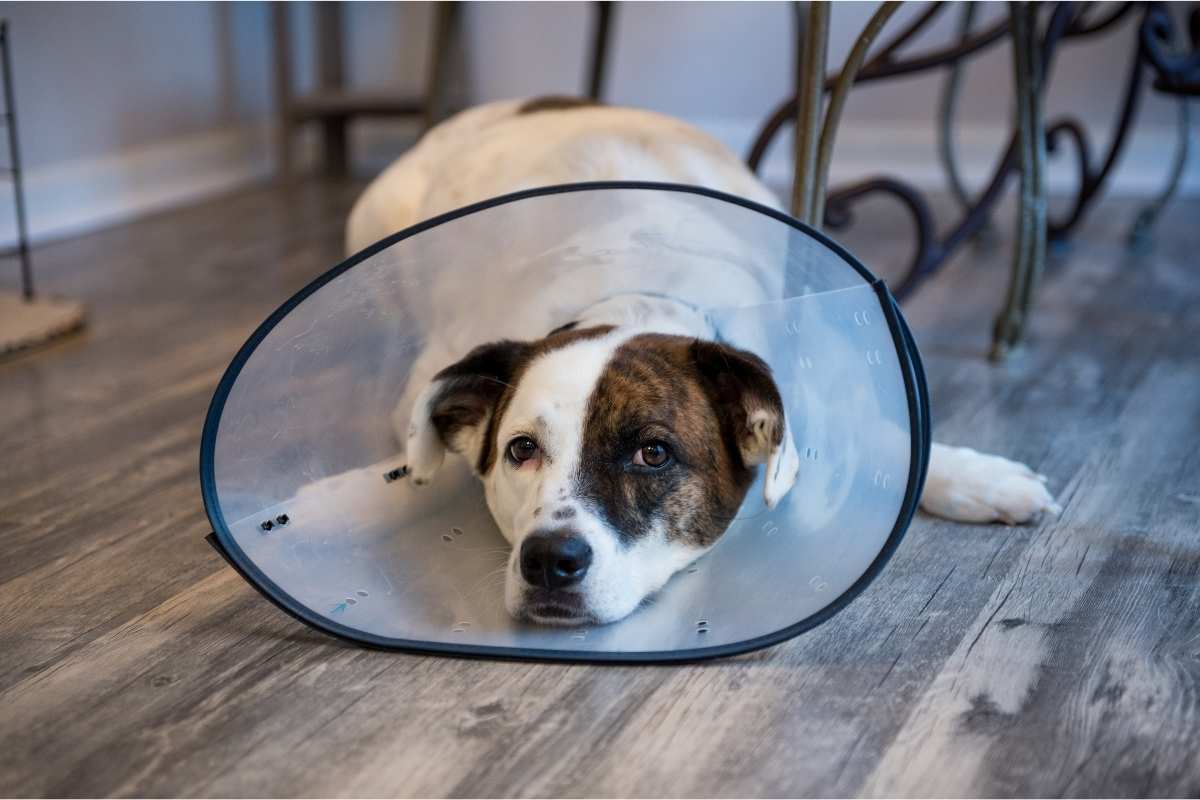
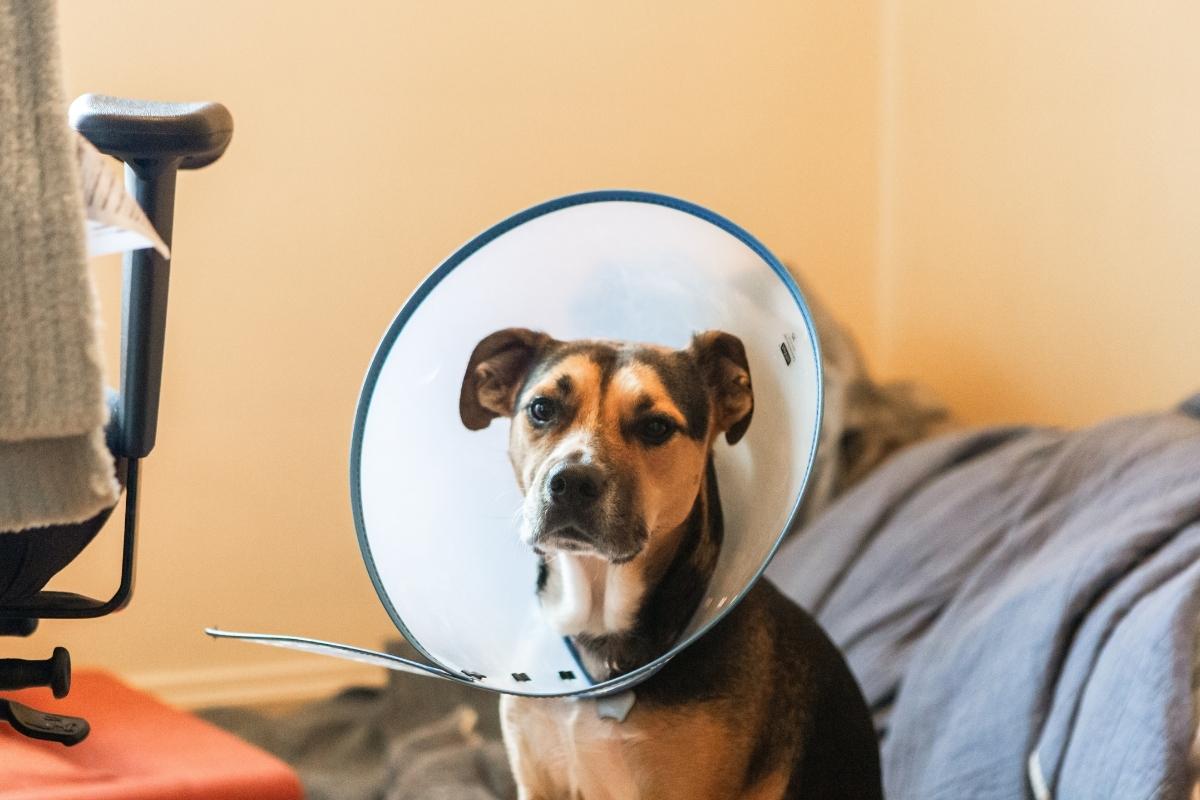
Preparing your pet for a surgical procedure is an important process that helps protect their safety and support a smoother recovery. At Union Hill Animal Hospital, we understand how stressful surgery can feel for both pets and their owners. Whether your pet is scheduled for a routine procedure or a more advanced operation, proper preparation involves more than simply setting a date. One of the most critical steps is pre-surgical testing, which allows veterinarians to evaluate your pet’s health before anesthesia and treatment. This guide is designed to help local pet families in Canton, GA better understand what to expect before their pet undergoes veterinary surgery.
What Is Pre-Surgical Testing?
Pre-surgical testing refers to diagnostic screenings performed before anesthesia and a surgical procedure. These tests help veterinarians assess organ function, detect hidden medical conditions, and identify potential risks.
Even pets that appear healthy can have underlying issues. Animals instinctively hide discomfort, which means problems may not be obvious during a standard physical exam alone. Testing provides a clearer understanding of your pet’s internal health and helps the veterinary team tailor the safest anesthesia and treatment plan.
Common Types of Pre-Surgical Tests
1. Bloodwork
Blood tests evaluate organ function and detect infection, anemia, and metabolic disorders. They help determine whether the liver and kidneys can safely process anesthesia.
2. Urinalysis
A urine test screens for kidney disease, diabetes, dehydration, and urinary tract infection.
3. X-rays (Radiographs)
Imaging may be recommended for older pets or certain procedures. It helps identify heart enlargement, lung issues, or internal abnormalities.
4. Electrocardiogram (ECG)
For senior pets or those with heart concerns, an ECG checks heart rhythm and electrical activity before anesthesia.
Why Pre-Surgical Testing Is Essential
Understanding why pre-surgical testing is essential begins with recognizing the role anesthesia plays during surgery. Anesthesia affects breathing, blood pressure, and organ function. Testing helps veterinarians safely manage these effects.
Key benefits include:
- Identifying hidden diseases early
- Reducing anesthesia-related complications
- Adjusting medication dosages safely
- Customizing monitoring during surgery
- Improving recovery outcomes
Pets with undiagnosed kidney disease or heart conditions are at higher risk during anesthesia. Testing significantly reduces that risk and improves overall safety.
Importance for Senior Pets
Older pets especially benefit from testing prior to veterinary surgery. Aging pets commonly develop conditions such as:
- Kidney disease
- Heart disease
- Diabetes
- Liver dysfunction
These issues may not show outward symptoms yet still affect anesthesia tolerance. Pre-surgical screening allows early detection and ensures the procedure is as safe as possible.
How Testing Improves Recovery
Pre-surgical evaluation does more than protect pets during surgery—it also supports recovery afterward. When veterinarians know your pet’s health status, they can:
- Select appropriate pain medications
- Prevent post-operative complications
- Adjust fluid therapy
- Monitor vital signs more precisely
Pets with properly planned anesthesia protocols often wake more comfortably and heal faster.
What Pet Owners Should Do Before Surgery
You can help your pet have a safe procedure by following your veterinarian’s instructions carefully.
Typical preparation steps include:
- Fasting your pet the night before surgery
- Providing accurate medication history
- Informing the clinic about behavioral or health changes
- Ensuring your pet stays calm before the appointment
If your pet seems unusually tired, coughing, vomiting, or not eating, notify your veterinarian immediately. These signs may require postponing the procedure.
When Testing May Change the Surgical Plan
Sometimes pre-surgical testing reveals conditions requiring treatment before surgery. For example:
- Infection may require antibiotics
- Dehydration may require fluids
- Heart abnormalities may need monitoring or medication adjustments
In these cases, postponing the procedure improves safety rather than delaying necessary care.
Preventive Care Matters
Routine checkups play a major role in surgical safety. Annual or semiannual exams help identify health changes early and allow veterinarians to track trends in organ function over time. Preventive care and screening are key components of responsible pet ownership and support safer surgical procedures throughout your pet’s life.
Preparing your pet for surgery involves careful planning, evaluation, and communication. By completing pre-surgical screening, you help ensure that your pet is ready for anesthesia and recovery. If you have questions or concerns about your pet’s upcoming procedure, contact Union Hill Animal Hospital. Our team provides guidance and support at every stage of the process.
Surgery can feel overwhelming, but proper preparation makes a meaningful difference in safety and comfort. If you are located in Canton, GA, we encourage you to schedule your appointment at Union Hill Animal Hospital to help your pet receive attentive and compassionate care before their procedure.
Frequently Asked Questions
Q1. Is pre-surgical testing necessary for young pets?
Ans. Yes. Even young pets may have undetected conditions, and testing confirms they can safely undergo anesthesia.
Q2. How long before surgery are tests performed?
Ans. Most tests are completed within a few days prior to surgery, though some may be done the same day depending on the procedure.
Q3. Will surgery be canceled if results are abnormal?
Ans. Not always. Your veterinarian may adjust medications or treatment plans to make the procedure safer.
Q4. Is anesthesia safe for pets?
Ans. Modern anesthesia is generally safe when proper monitoring and pre-surgical screening are performed.
Q5. Why does my pet need to fast before surgery?
Ans. Fasting prevents vomiting and reduces the risk of aspiration while under anesthesia.
Q6. What happens if I skip pre-surgical testing?
Ans. Without testing, underlying health conditions may go unnoticed, increasing the risk of complications.