Spaying your female cat is an important decision that contributes to her long-term health and well-being. It prevents unwanted pregnancies, reduces the risk of certain cancers, and helps control the pet population. However, just like with any surgery, spaying comes with a recovery period. Taking proper care of your female cat after being spayed is essential to ensure she heals quickly and comfortably.
While the procedure itself is relatively straightforward, your cat will need some extra attention during the first few days and weeks following the surgery. With the right care, your cat will recover well and soon return to her usual playful self. This blog will guide you through the essential steps to take care of your female cat after spaying.
Understanding the Spaying Procedure
Spaying is a common procedure in which a female cat’s ovaries and uterus are removed. This surgery is typically done under general anesthesia, so your cat will be asleep during the process. While the surgery is minimally invasive and safe, the recovery process does require some care and attention.
After the surgery, your cat may experience some discomfort and need time to heal. The key to a smooth recovery is monitoring her closely, ensuring she remains comfortable, and following your veterinarian’s instructions.
1. Creating a Comfortable Recovery Space
After surgery, your cat will need a quiet and comfortable space to rest and recover. Ideally, set up a cozy area away from household activity, such as a separate room with soft bedding and her food and water bowls nearby. Limit her access to high-traffic areas in the home where she could be disturbed by other pets or children.
Make sure the room is clean, warm, and free from drafts. Keep the area well-lit but not too bright to help her relax and sleep comfortably. It’s important to give your cat time to rest, especially during the first few days after surgery.
2. Monitoring the Incision Site
One of the most important aspects of post-surgery care is keeping an eye on the incision site. The incision should be small and neat, usually located on your cat’s abdomen. In the days following the surgery, check the area regularly for signs of infection. These signs include:
- Redness, swelling, or warmth around the incision site
- Discharge or pus coming from the wound
- Excessive licking or biting at the incision site
If you notice any of these signs, contact your veterinarian immediately for advice.
3. Preventing Licking and Biting
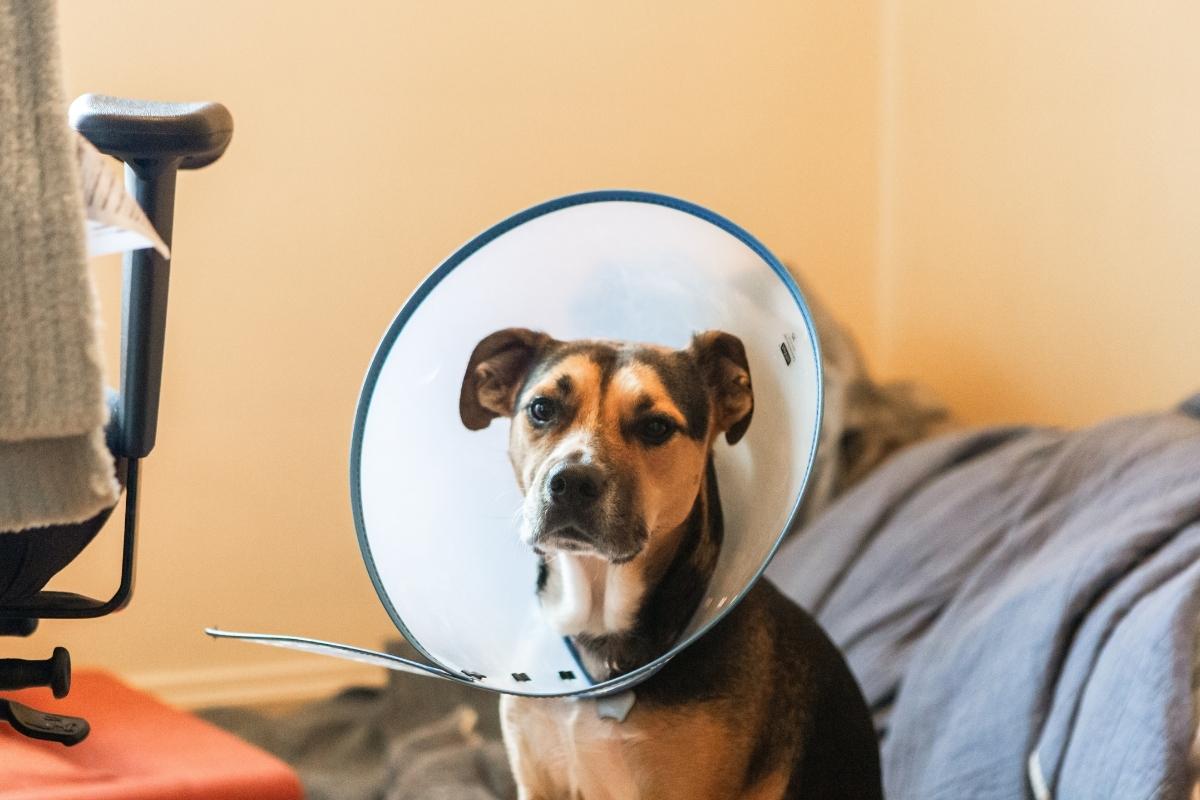
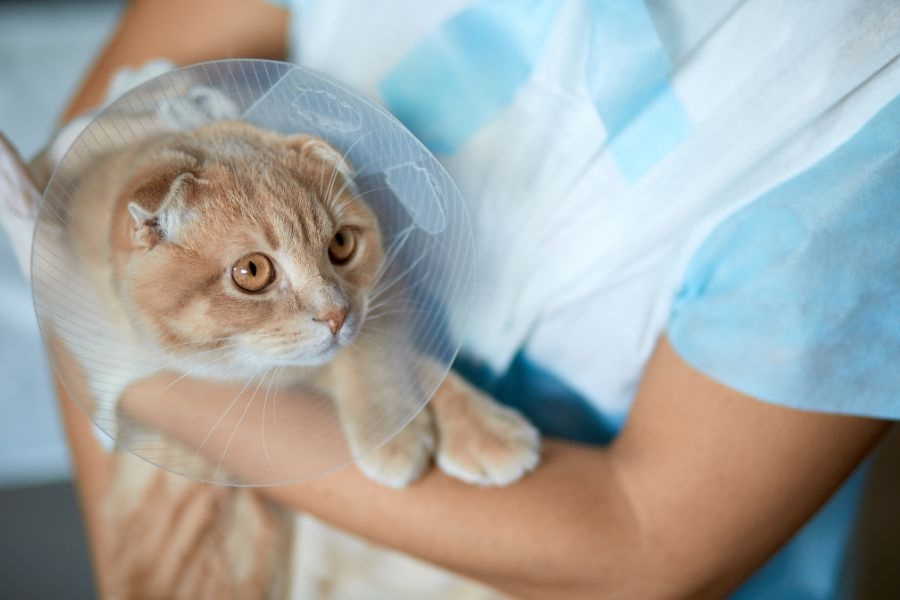
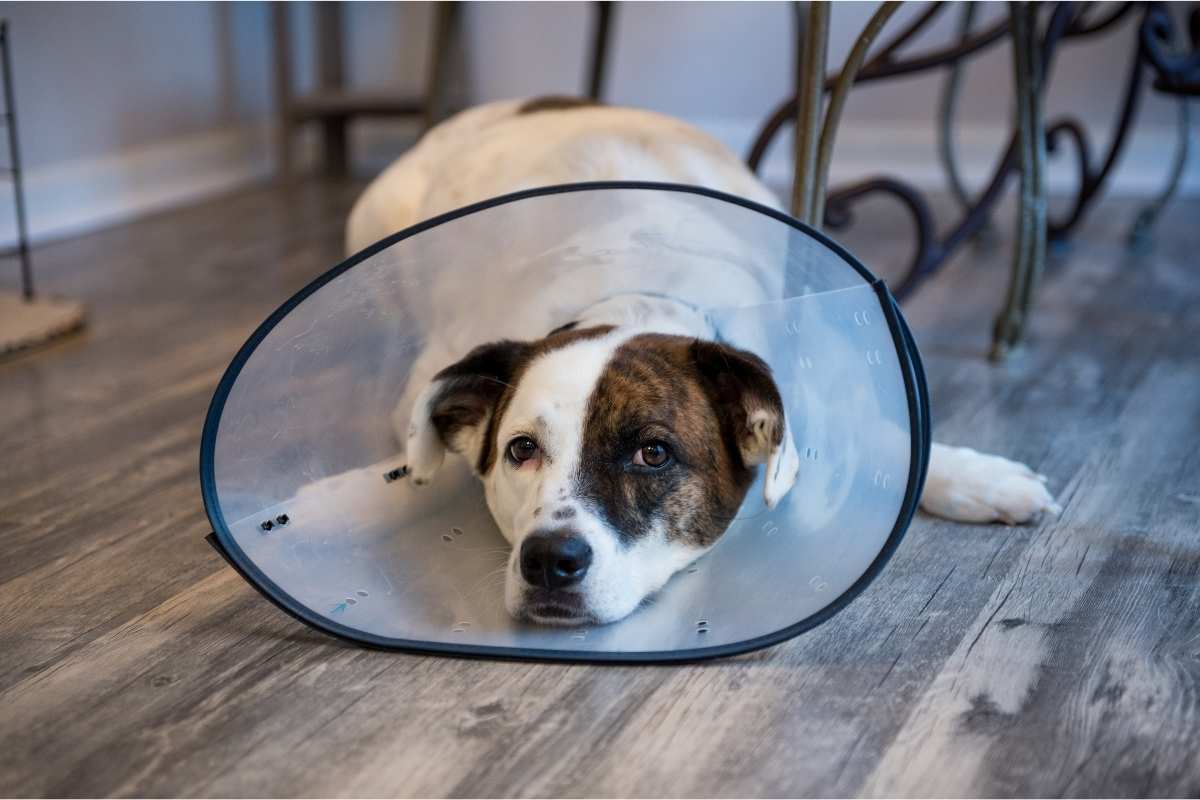
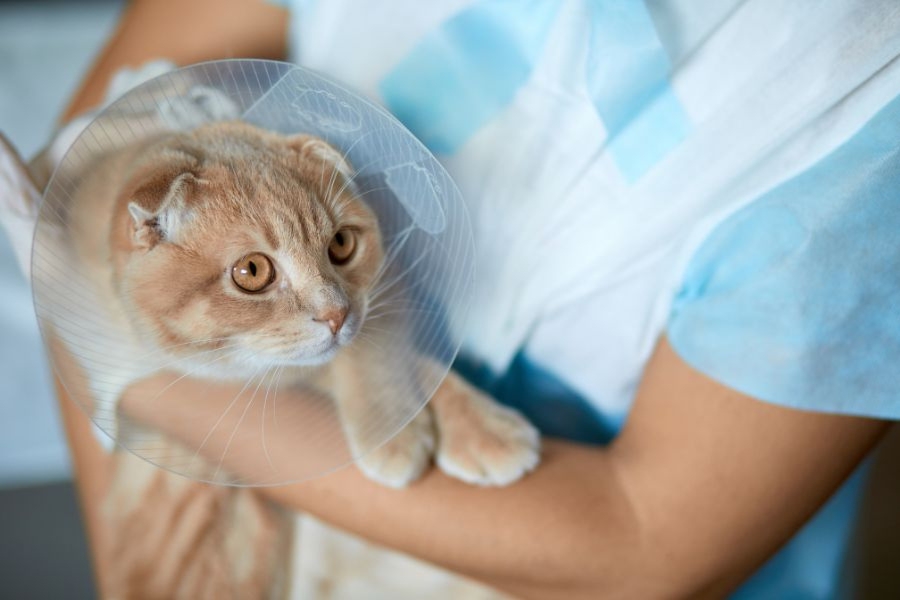
Cats instinctively try to lick and bite at their wounds to clean them. While this is natural behavior, it can lead to infection or cause the incision to open up. To prevent this, your cat will likely need to wear an Elizabethan collar (also known as a “cone of shame”) for a few days after surgery. This collar will prevent her from reaching the incision site, reducing the risk of complications.
While some cats may tolerate the collar better than others, it’s crucial that she wears it until the incision site has healed completely. If your cat refuses to wear the cone or seems particularly stressed, consult your veterinarian for alternative solutions, such as soft recovery collars.
4. Managing Pain and Discomfort
Like any surgery, spaying can cause some discomfort. Your veterinarian will likely prescribe pain medication to help manage your cat’s pain after surgery. Be sure to follow the instructions carefully, including the dosage and timing of the medication. Never give your cat human pain medications, as these can be toxic to cats.
In addition to prescribed pain relief, you may notice your cat is more lethargic than usual. This is completely normal, as her body is using energy to heal. Make sure she has a calm and quiet space to rest, and don’t worry if she’s not as active as usual. She should gradually regain her energy over the following days.
5. Keeping Her Calm and Restricting Activity
It’s important to restrict your cat’s activity level in the first few days following surgery. While she may feel energetic once the anesthesia wears off, excessive movement or activity could stress her body and hinder the healing process. Avoid letting her run, jump, or climb, as these actions could cause the incision to tear open or delay healing.
You may need to keep her confined to a small room or crate for the first few days after surgery to limit her movement. Slowly increase her access to the house as she heals and becomes more active.
6. Offering the Right Food and Water
After surgery, your cat may experience a slight loss of appetite due to the anesthesia or pain medication. It’s important to offer her fresh food and water regularly. If she isn’t eating or drinking within 24 hours, try offering her some wet food or a treat to entice her. If she continues to refuse food, contact your veterinarian.
Once she begins eating and drinking normally again, you can return to her regular diet. Ensure she has access to fresh water at all times to stay hydrated.
7. Watching for Signs of Complications
While most cats recover from spaying without issues, it’s important to keep an eye on her recovery process for any signs of complications. These may include:
- Loss of appetite that persists beyond the first 24 hours
- Excessive swelling, redness, or discharge at the incision site
- Vomiting, diarrhea, or lethargy that lasts longer than a day
- Trouble walking or difficulty urinating or defecating
If you notice any of these symptoms, contact your veterinarian immediately for guidance. Early intervention can help prevent more serious complications.
8. Follow-Up Appointments
Your veterinarian will likely schedule a follow-up appointment to check your cat’s healing progress. During this appointment, the vet will examine the incision site, remove stitches (if necessary), and ensure that your cat is healing well. It’s important to attend this appointment to ensure your cat’s recovery is on track.
After spaying surgery, providing the right care is crucial to ensure your female cat heals quickly and comfortably. By creating a peaceful environment, monitoring the incision site, managing pain, and limiting activity, you help support her recovery. Following your veterinarian’s advice and attending follow-up appointments will help ensure her healing is on track. With proper care and attention, your cat will soon be back to her usual self. For expert care and guidance on cat surgery in Canton, GA, trust the experienced team at Union Hill Animal Hospital to provide the best care for your feline companion.
FAQs
Q1. How long does it take for a female cat to recover from spaying?
Ans. Recovery typically takes 10 to 14 days. During this time, it’s important to restrict your cat’s activity and monitor her for any signs of complications.
Q2. Can I give my cat human pain medication after spaying?
Ans. No, never give your cat human pain medications. Only use the pain medication prescribed by your veterinarian.
Q3. When can my cat go back to her normal routine after spaying?
Ans. Most cats can resume normal activity after about two weeks, once the incision site has healed and your veterinarian gives the okay.
Q4. How do I prevent my cat from licking the incision site?
Ans. An Elizabethan collar (cone) is the best way to prevent your cat from licking the incision site. Your veterinarian may recommend alternatives if your cat has trouble wearing the collar.
Q5. What should I do if my cat is not eating after being spayed?
Ans. If your cat isn’t eating within 24 hours after surgery, try offering wet food or treats. If she still refuses to eat, contact your veterinarian.
Q6. What signs should I look for if my cat is having complications after surgery?
Ans. Signs of complications include persistent vomiting, diarrhea, loss of appetite, or abnormal swelling at the incision site. If you notice any of these, contact your veterinarian immediately.