Just like humans, our furry friends rely on healthy teeth and gums to live comfortably. Yet, many pet owners underestimate the role of dental care in their pets’ overall health. While brushing your pet’s teeth at home is helpful, it’s not enough to remove the deep-seated plaque and tartar that can lead to painful infections. That’s where professional dental cleanings come into play — and they could make all the difference in your pet’s long-term wellness.
Why Pet Dental Health Is More Than Just a Sparkling Smile
A bright, clean smile might look adorable, but dental health goes far beyond appearance. Your pet’s mouth is the gateway to their entire body. Poor dental hygiene can lead to gum disease, tooth decay, and even systemic infections that affect the heart, liver, and kidneys.
Bacteria in the mouth can easily enter the bloodstream when gums become inflamed, spreading harmful toxins throughout the body. This is why dental problems are often linked to other health conditions in older pets. Taking care of your pet’s teeth is truly a way of caring for their whole body.
The Silent Signs of Dental Disease in Pets
Dental issues in pets often go unnoticed until they become severe. Because dogs and cats instinctively hide pain, you might not realize there’s a problem until it’s advanced. Look for these warning signs that your pet might need professional dental care:
- Persistent bad breath
- Yellow or brown buildup on teeth
- Red, swollen, or bleeding gums
- Pawing at the mouth or drooling excessively
- Difficulty chewing or dropping food
- Loose or missing teeth
- Behavioral changes, like irritability or decreased appetite
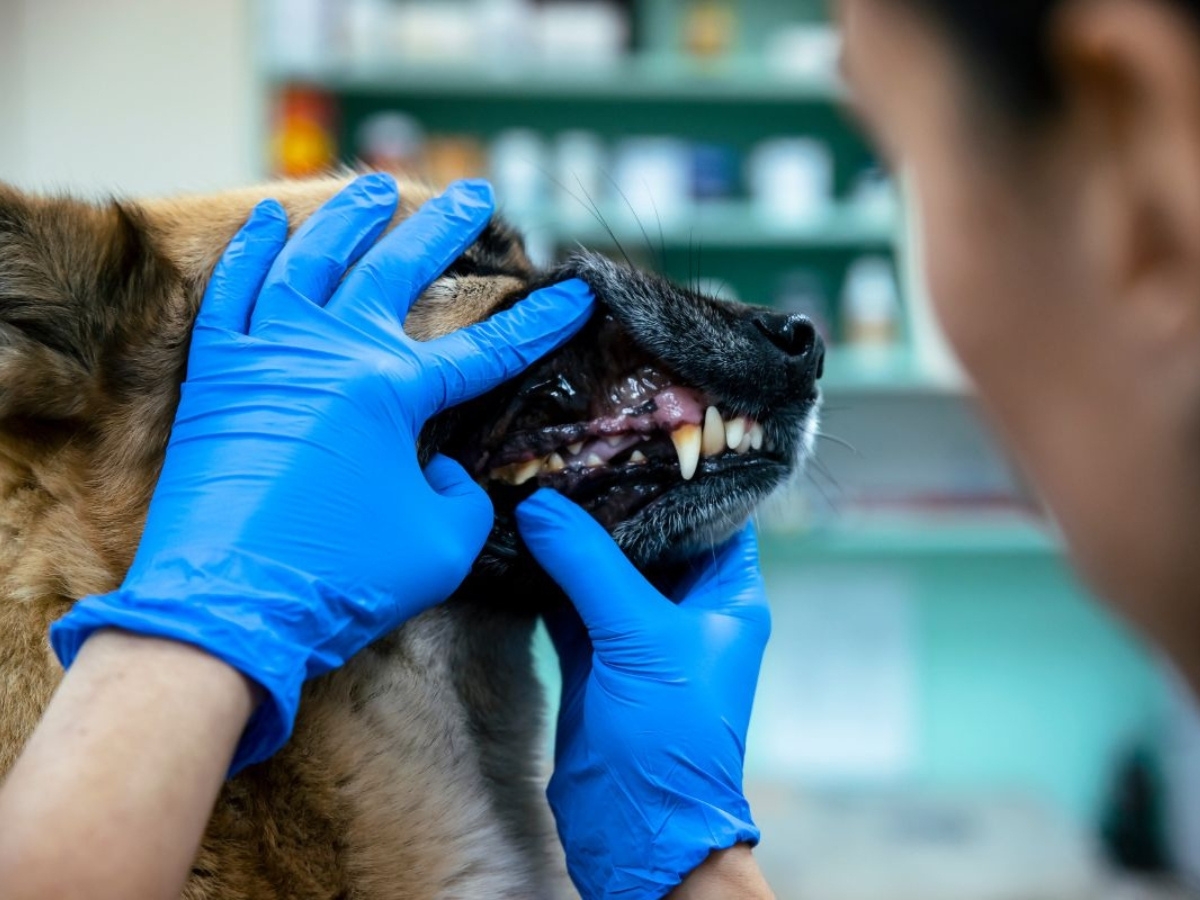
If you notice any of these symptoms, schedule a dental exam right away. Early detection can prevent painful extractions and costly treatments later.
What Happens During a Professional Dental Cleaning
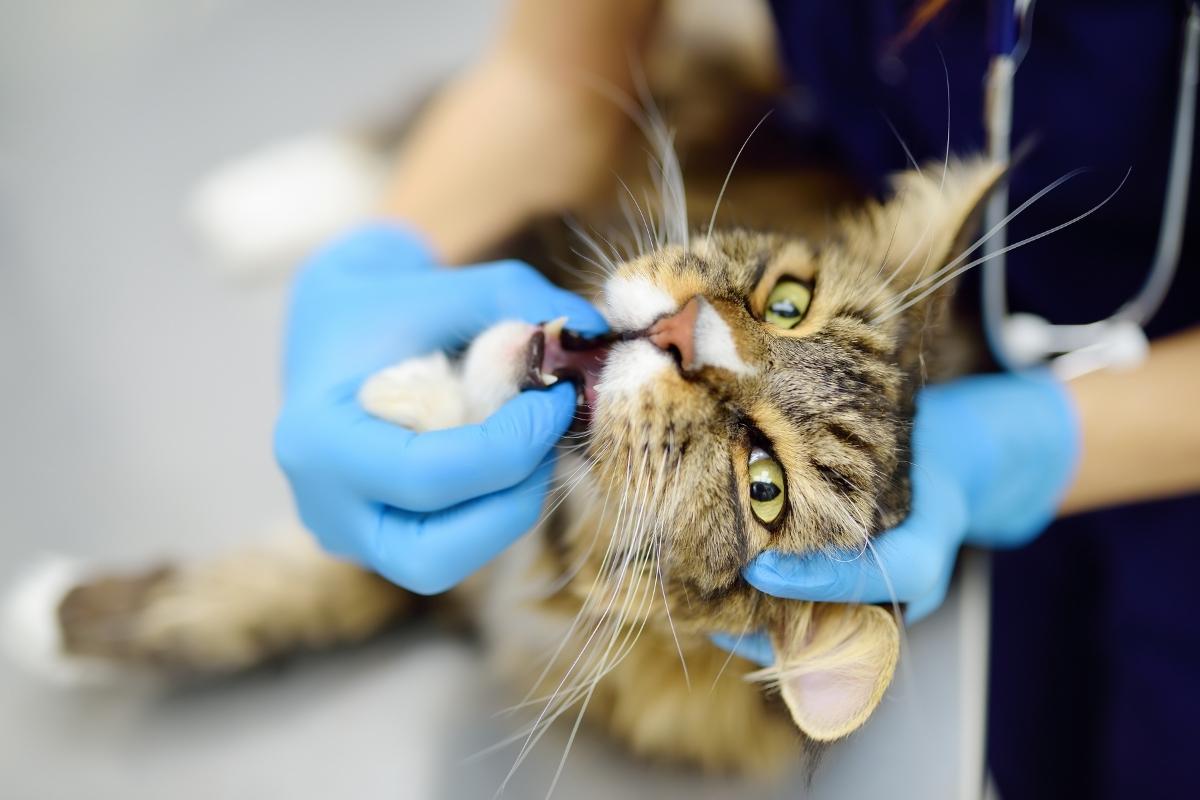
A professional pet dental cleaning is far more comprehensive than what you can achieve at home. Here’s what typically happens during the process:
1. Pre-Anesthetic Exam
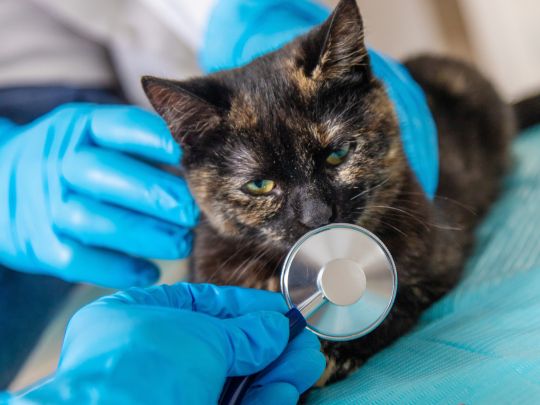
Before the cleaning, your vet will perform a thorough physical exam and bloodwork to ensure your pet is healthy enough for anesthesia.
2. Anesthesia and Monitoring
Anesthesia keeps your pet safe, comfortable, and still during the procedure. This allows the veterinarian to clean thoroughly below the gumline — where most problems begin. Your pet’s vital signs are closely monitored throughout.
3. Scaling and Polishing
Using specialized tools, the vet removes plaque and tartar buildup both above and below the gumline. Then, the teeth are polished to smooth the surface and make it harder for bacteria to stick.
4. Dental X-rays and Evaluation
X-rays allow the vet to examine the roots, jawbone, and areas beneath the gums that can’t be seen during a visual exam. This step helps detect infections, abscesses, or bone loss.
5. Post-Cleaning Care
Once the cleaning is done, your vet will discuss findings and may recommend follow-up care, such as extractions, antibiotics, or a home brushing routine.
How Often Should You Schedule a Dental Cleaning?
The frequency of dental cleanings depends on your pet’s age, breed, and oral health. Small dog breeds and cats are more prone to tartar buildup and may need cleanings once or twice a year. Larger dogs or those with healthier mouths may only need annual cleanings.
Your veterinarian will recommend a schedule based on your pet’s individual needs. Regular checkups help identify when it’s time for a cleaning before major issues arise.
Benefits of Regular Professional Dental Cleanings
The advantages of regular dental care go beyond a cleaner mouth. Here’s what consistent cleanings can do for your pet:
- Prevents Pain and Tooth Loss: Removing plaque early prevents gingivitis and tooth decay.
- Improves Breath: Bad breath isn’t just unpleasant — it’s a sign of bacteria buildup.
- Boosts Overall Health: A clean mouth lowers the risk of infections spreading to vital organs.
- Saves Money in the Long Run: Preventive care is far less costly than surgery or tooth extractions.
- Enhances Quality of Life: Pets with healthy teeth eat better, play more, and feel happier.
Caring for Your Pet’s Teeth Between Cleanings
While professional cleanings are vital, daily at-home care keeps your pet’s teeth in top shape between visits. Here are a few easy ways to maintain oral hygiene:
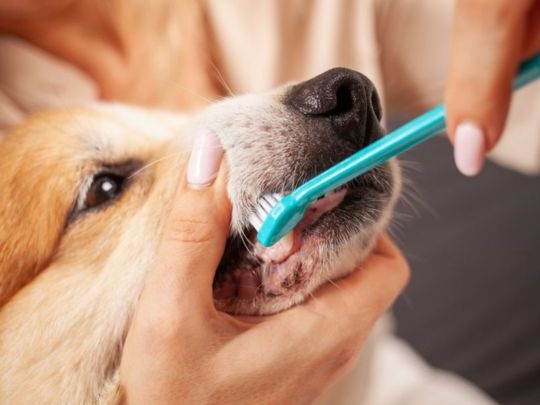
- Brush your pet’s teeth daily using a pet-safe toothpaste.
- Provide dental chews or toys that help reduce tartar buildup.
- Add vet-approved water additives for extra protection.
- Schedule regular vet checkups to monitor dental health.
By combining professional cleanings with daily maintenance, you’ll protect your pet’s smile for years to come.
When to Visit a Veterinary Dentist
If your pet has severe tartar buildup, missing teeth, or signs of oral pain, it might be time to consult a veterinary dentist. These specialists can handle complex cases like root canals, gum surgery, or tooth restoration. Your regular vet can provide a referral if necessary.
For instance, if you’re searching for trusted pet dental cleaning in Canton, GA, you’ll find clinics equipped with advanced dental technology to make the process safe and effective for your furry family members.
Your pet’s dental health is the foundation of their overall well-being. Regular professional cleanings, paired with a consistent at-home routine, can prevent disease, extend lifespan, and ensure your furry companion stays happy and pain-free.
By paying attention to what’s happening inside your pet’s mouth, you’re not just protecting their teeth — you’re safeguarding their health and happiness. After all, a healthy smile means a wagging tail and endless purrs for years to come.