
As a dog owner, you want your furry friend to live a long, healthy, and happy life. While you may already focus on proper nutrition, regular exercise, and routine vet visits, one area that often gets overlooked is your dog’s dental health. However, just like humans, dogs need consistent dental care to maintain their overall well-being.
In this post, we’ll explore why dog teeth cleaning is important, how poor dental hygiene can lead to serious health problems, and what you can do to protect your pup’s smile.
Dental Disease is More Common Than You Think
To begin with, canine dental disease is extremely common. According to the American Veterinary Dental Society, over 80% of dogs show signs of periodontal disease by the age of three. This condition occurs when plaque and tartar build up on your dog’s teeth, leading to inflammation of the gums and potential infection.
If left untreated, dental disease doesn’t just cause bad breath or tooth loss—it can impact vital organs and shorten your dog’s lifespan.
How Dental Issues Affect Your Dog’s Health
Poor oral health doesn’t stay in the mouth. In fact, bacteria from the mouth can enter your dog’s bloodstream, spreading to the heart, liver, and kidneys. This can lead to serious, life-threatening conditions such as:
- Endocarditis (inflammation of the heart’s inner lining)
- Liver infections
- Kidney disease
Clearly, regular teeth cleaning is not just about keeping your dog’s breath fresh—it’s about protecting their internal organs and preventing systemic health problems.
Signs Your Dog Needs Dental Attention
While dogs are experts at hiding pain, there are a few signs that may indicate dental trouble:
- Bad breath
- Red or swollen gums
- Yellow or brown buildup on teeth
- Difficulty eating or chewing
- Drooling more than usual
- Pawing at the mouth
If you notice any of these symptoms, it’s time to schedule a vet check-up.
Preventive Care Is Key
Fortunately, many dental issues in dogs can be prevented. Routine teeth cleanings and home dental care go a long way in maintaining your dog’s oral health.
Here are a few effective strategies:
1. Professional Dental Cleanings
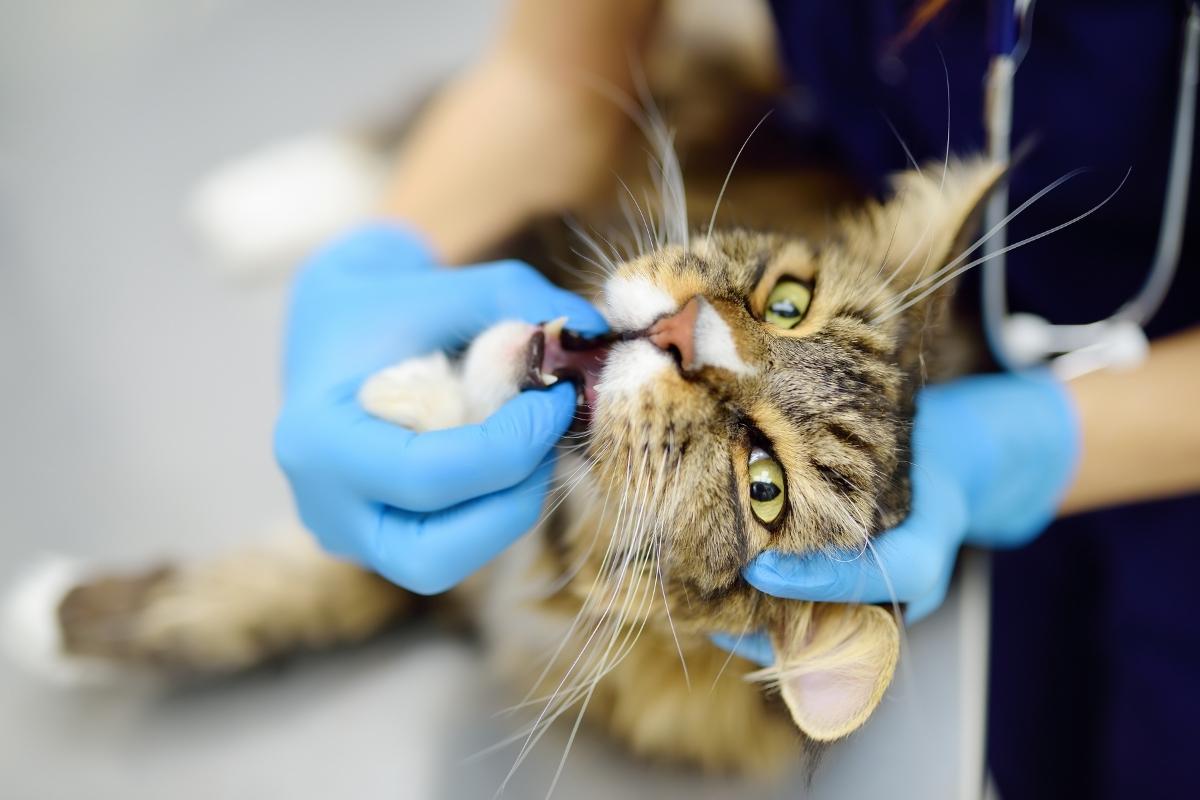
Most veterinarians recommend professional cleanings at least once a year. These cleanings remove tartar and plaque under the gums—areas that a toothbrush can’t reach.
2. Daily Brushing at Home
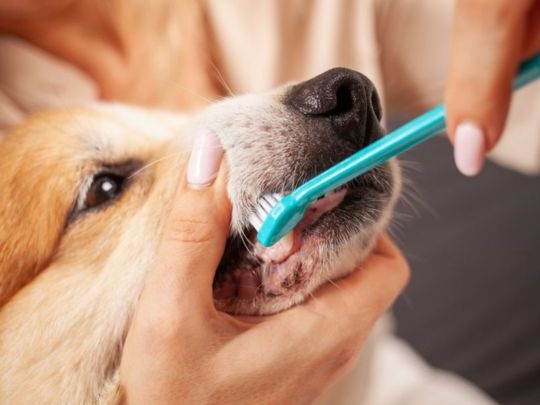
Just like people, dogs benefit from daily brushing. Use a pet-safe toothbrush and toothpaste (never use human toothpaste) to clean your dog’s teeth gently.
3. Dental Treats and Chews
There are many dental chews designed to reduce plaque and massage gums. Choose products approved by the Veterinary Oral Health Council (VOHC) for best results.
4. Water Additives and Oral Sprays
Water additives and sprays can help kill bacteria in your dog’s mouth, especially when brushing isn’t possible.
Benefits of Regular Dog Teeth Cleaning
Beyond preventing disease, regular dog dental care offers numerous benefits, such as:
- Longer lifespan – Good oral hygiene supports better overall health.
- Pain prevention – Untreated dental problems can be extremely painful.
- Reduced vet bills – Preventive care can save you thousands in future medical treatments.
- Improved quality of life – A healthy mouth makes eating, playing, and living more enjoyable for your dog.
In conclusion, dog dental care is far more important than many pet owners realize. By incorporating regular cleanings, both at home and professionally, you can protect your pet from pain, disease, and even premature death.
If you’re looking for dog dental cleanings in Canton, GA, be sure to consult with a local veterinarian experienced in canine dentistry. Your dog deserves a healthy mouth and a happy life—start with their teeth.
Frequently Asked Questions (FAQs)
Q1. How often should I have my dog’s teeth professionally cleaned?
Ans. Veterinarians typically recommend a professional cleaning once a year. However, dogs prone to dental issues may require more frequent visits.
Q2. Is anesthesia necessary for dog dental cleanings?
Ans. Yes, professional cleanings usually require anesthesia to allow thorough cleaning below the gum line, which isn’t possible when the dog is awake.
Q3. What kind of toothbrush should I use for my dog?
Ans. Use a dog-specific toothbrush with soft bristles. Finger brushes can also be effective for smaller dogs.
Q4. Can I use human toothpaste on my dog?
Ans. No. Human toothpaste contains ingredients that can be toxic to dogs, such as xylitol. Always use a toothpaste formulated for pets.
Q5. Are dental chews enough to maintain my dog’s oral health?
Ans. Dental chews help reduce plaque, but they should be used in combination with brushing and regular vet cleanings for best results.
Q6. My dog hates having their teeth brushed—what can I do?
Ans. Start slowly and use treats as positive reinforcement. You can also try alternatives like dental wipes, oral sprays, or water additives if brushing is not tolerated.