Bringing your cat home after a surgical procedure can feel both relieving and overwhelming. Your feline companion may appear sleepy, confused, or less responsive than usual, which often worries even the most experienced pet parents. While these reactions are common, the care your cat receives at home plays a crucial role in healing.
Recovery does not happen automatically. Instead, it depends on a calm environment, careful monitoring, and consistent follow-through with veterinary instructions. With the right approach, most cats recover smoothly and return to their normal routines without complications. This step-by-step guide will help you support your cat’s healing journey with confidence—especially for pet parents in Canton, GA.
Why Post-Surgical Care Matters So Much
Surgery places stress on your cat’s body, even when the procedure goes exactly as planned. During recovery, tissues need time to heal, inflammation must decrease, and energy levels gradually rebuild. Without proper aftercare, minor issues can quickly turn into serious complications.
Fortunately, cats are resilient animals. When pet parents provide structure, patience, and observation, healing usually progresses without setbacks. Understanding what to expect helps you stay calm and respond appropriately throughout recovery.
Step 1: Prepare a Quiet and Safe Recovery Space
Before bringing your cat home, create a dedicated recovery area. A peaceful environment allows your cat to rest without stress or stimulation.
Choose a small, quiet room away from loud noises, children, and other pets. Keep lighting soft and temperatures comfortable. Place clean, soft bedding on the floor to prevent jumping. Additionally, position food, water, and a litter box nearby so your cat does not need to move much.
By minimizing movement and noise, you encourage relaxation and conserve energy for healing.
Step 2: Understand Temporary Behavior Changes
After anesthesia, cats often behave differently. They may sleep more, hide, or seem distant. Although these changes can feel alarming, they are usually temporary.
Disorientation, mild clumsiness, or reduced appetite often improve within 24 to 48 hours. However, continue observing closely. If confusion, vocalization, or extreme lethargy persists longer than expected, contact your veterinarian promptly.
Patience during this stage helps your cat feel secure as normal behavior gradually returns.
Step 3: Follow Medication Instructions Exactly
Medication supports comfort and prevents infection during recovery. Because of this, accuracy is essential.
Administer all prescribed medications exactly as directed. Follow the correct dosage and schedule, and complete the full course unless your veterinarian instructs otherwise. Never substitute medications or adjust doses on your own.
If your cat resists taking medicine, reach out to your veterinary team for tips or alternatives. Consistent medication use significantly improves recovery outcomes after cat surgery.
Step 4: Check the Incision Site Daily
Daily incision monitoring allows you to catch problems early. Take a moment each day to inspect the surgical site in good lighting.
A normal incision should look clean, dry, and slightly pink. Mild swelling may occur initially. However, watch closely for excessive redness, discharge, bad odor, bleeding, or openings in the incision.
If anything looks concerning, do not wait. Contact your veterinarian immediately, as early intervention prevents complications.
Step 5: Prevent Licking and Chewing
Cats naturally groom themselves, but licking a surgical site can disrupt healing and introduce bacteria.
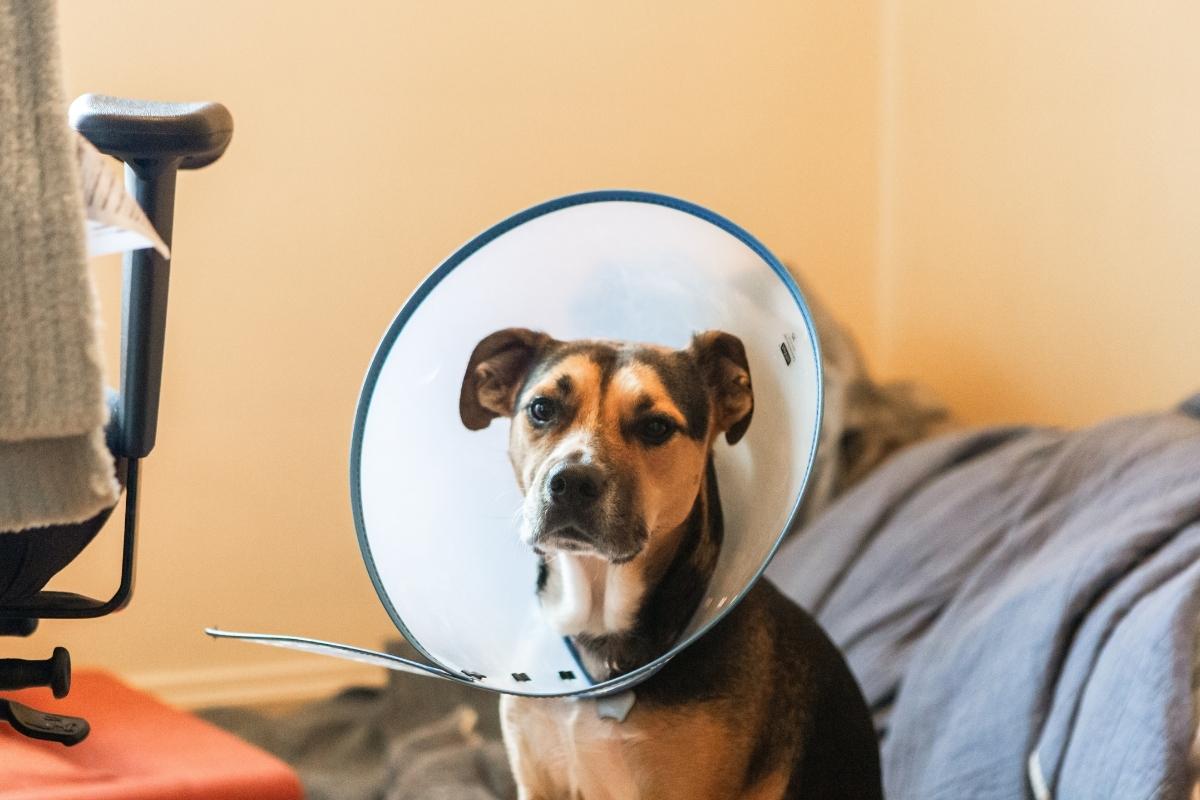
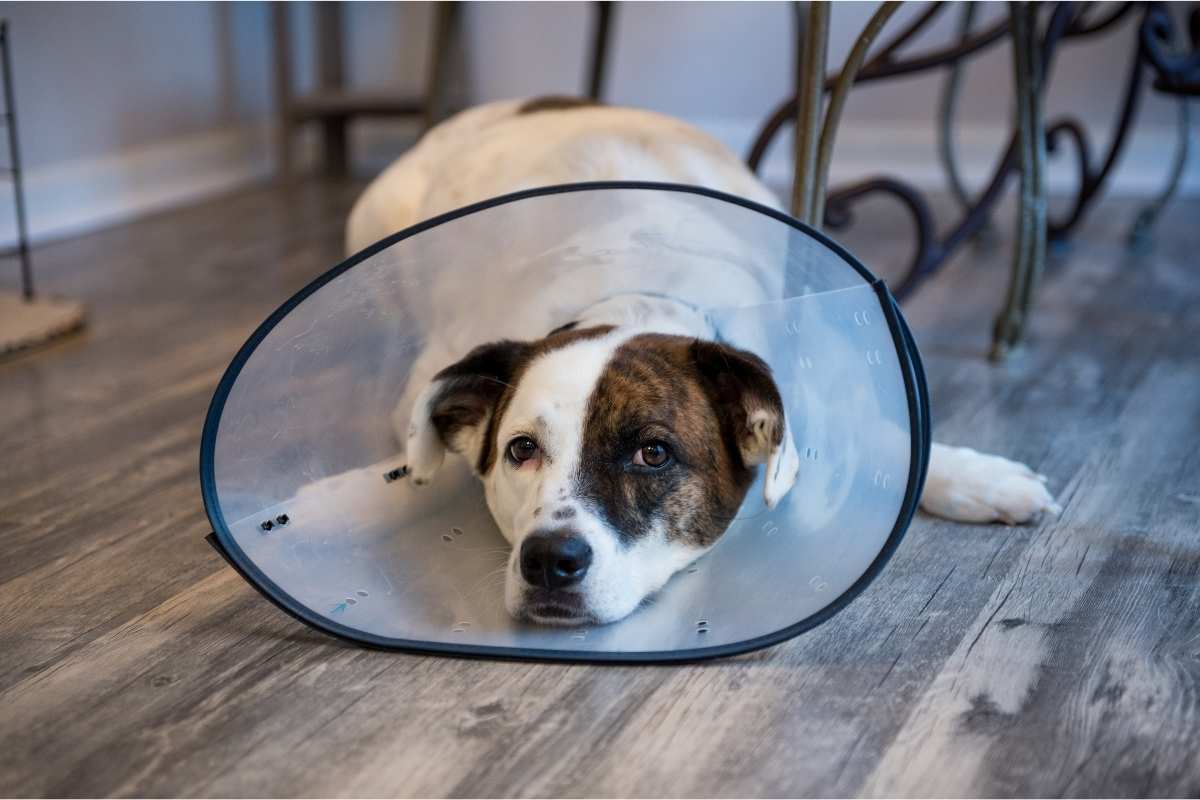
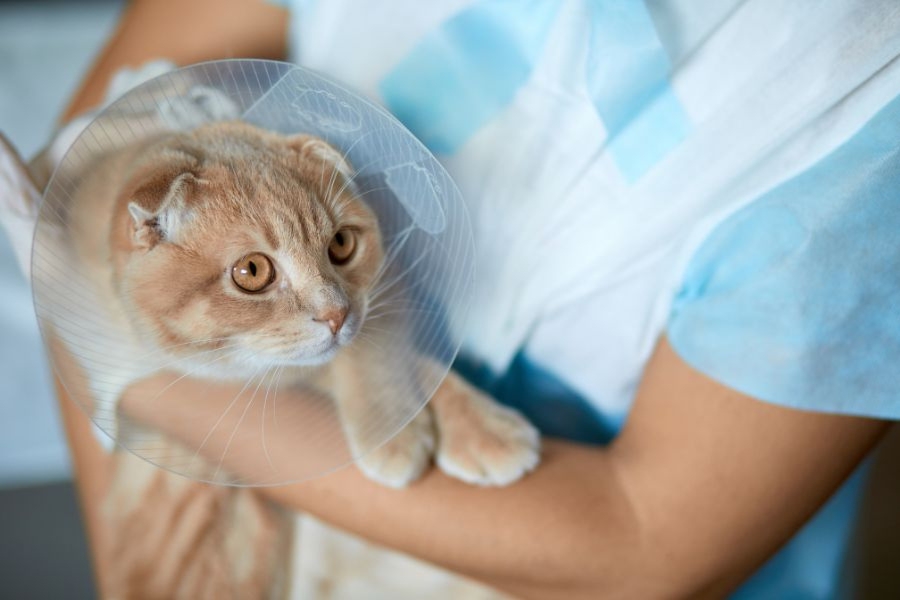
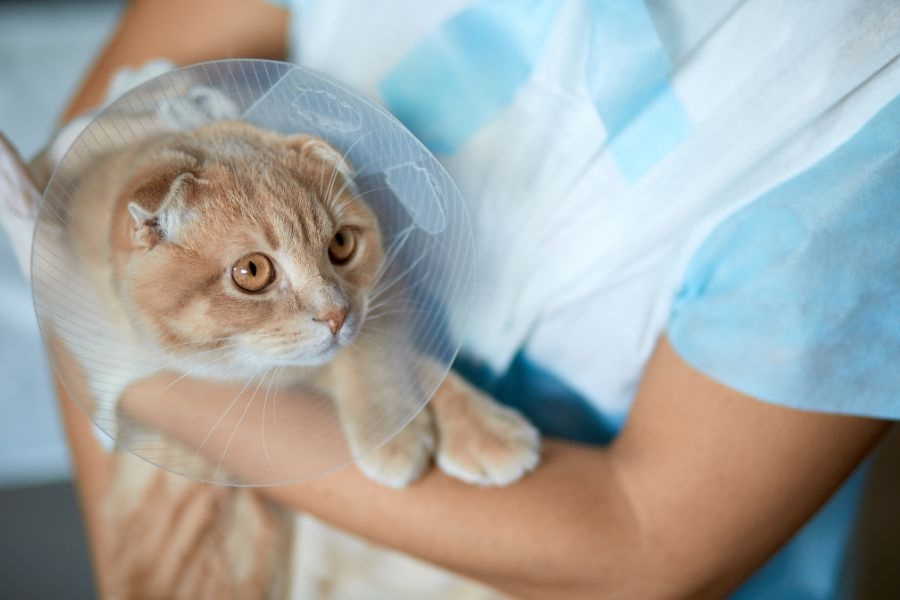
If your veterinarian provides an Elizabethan collar or recovery garment, use it as instructed. Although your cat may resist initially, most adapt within a short time. Removing protective devices too early increases the risk of infection.
While supervision helps, it rarely prevents licking entirely. Consistent protection ensures faster, safer healing.
Step 6: Control Activity Levels
Even when your cat starts feeling better, internal healing may still be underway. Too much activity too soon can reopen wounds or damage sutures.
Limit jumping, running, and climbing according to veterinary instructions. Block access to high furniture and discourage rough play. In some cases, temporary confinement helps maintain activity restrictions.
Controlled movement protects healing tissues and reduces recovery time.
Step 7: Support Nutrition and Hydration
Appetite changes are common after surgery. Some cats eat less initially, while others resume normal eating quickly.
Offer small, easily digestible meals and ensure fresh water is always available. Avoid changing diets unless recommended. If your cat refuses food for more than 24 hours, vomits repeatedly, or shows signs of dehydration, contact your veterinarian.
Proper nutrition fuels tissue repair and restores energy levels.
Step 8: Keep the Litter Box Clean and Accessible
Litter box habits provide valuable insight into recovery progress. Place the litter box close to your cat’s resting area to reduce movement.
Use low-dust litter if possible, especially for abdominal procedures. Monitor urination and bowel movements daily. Straining, constipation, or lack of elimination may indicate discomfort or complications.
Prompt attention to changes helps keep recovery on track.
Step 9: Maintain Routine and Emotional Comfort
Cats thrive on routine. Keeping feeding times, gentle interactions, and daily rhythms familiar reduces stress during recovery.
Speak softly, move slowly, and avoid excessive handling. At the same time, offer reassurance through quiet presence. Emotional stability supports physical healing more than many pet parents realize.
A calm home environment allows your cat to rest and heal efficiently.
Step 10: Attend All Follow-Up Appointments
Follow-up visits allow your veterinarian to assess healing, remove sutures if needed, and adjust care plans. These visits are just as important as the procedure itself.
Even if your cat seems fully recovered, internal healing may still be ongoing. Professional evaluation ensures recovery progresses safely after cat surgery.
Never skip recheck appointments unless advised.
Common Recovery Mistakes to Avoid
Even caring pet parents can make mistakes during recovery. Avoid these common issues:
- Allowing unrestricted movement too soon
- Skipping or altering medications
- Ignoring mild incision changes
- Removing protective collars early
- Waiting too long to contact the veterinarian
Avoiding these errors reduces complications and promotes smoother healing.
Helping your cat recover after surgery requires patience, observation, and consistency. By preparing a calm environment, following instructions carefully, and responding quickly to concerns, you play a vital role in your pet’s healing process.
If you are in Canton, GA and need guidance related to cat surgery, book an appointment with Union Hill Animal Hospital. Our experienced team is here to support your cat’s recovery every step of the way.
FAQs
Q1. How long does it take for a cat to fully recover after surgery?
Ans: Most cats recover within 10 to 14 days, but full internal healing may take several weeks depending on the type of procedure.
Q2. Is it normal for my cat to act differently after surgery?
Ans: Yes. Temporary behavior changes such as increased sleep, hiding, or reduced appetite are common after anesthesia and usually improve within a few days.
Q3. How can I stop my cat from licking the incision site?
Ans: Use a protective collar or recovery garment as recommended by your veterinarian. These tools help prevent licking and reduce the risk of infection.
Q4. When should I be concerned about the incision?
Ans: Contact your veterinarian if you notice redness, swelling, discharge, bleeding, a foul odor, or if the incision opens.
Q5. Can my cat eat normally after surgery?
Ans: Many cats resume normal eating within a day. Offer small meals at first and ensure fresh water is available. Contact your vet if your cat refuses food for more than 24 hours.
Q6. When should I call the veterinarian during my cat’s recovery?
Ans: Call immediately if your cat shows ongoing lethargy, vomiting, loss of appetite, pain, or any unusual behavior during recovery.