Keeping your dog healthy involves more than providing good food and daily exercise. Oral health also plays a major role in your pet’s overall well-being. Unfortunately, many pet owners overlook dental hygiene until problems such as bad breath, gum disease, or tooth loss appear.
Dogs rely on their teeth for chewing, playing, and exploring the world around them. Therefore, maintaining proper oral hygiene helps prevent pain, infections, and other health issues that can affect their quality of life.
Veterinarians often emphasize preventive care because dental disease is one of the most common conditions in dogs. In fact, many pets show signs of dental problems by the age of three. With consistent attention and a few simple habits, owners can protect their dogs from serious oral health concerns.
This guide explains practical ways to maintain strong teeth and healthy gums for your dog. From brushing techniques to professional cleanings, these tips will help you develop an effective dental routine. This article is especially helpful for dog owners living in Canton, GA.
Why Dental Health Matters for Dogs
Oral health is closely connected to a dog’s overall wellness. When bacteria accumulate in the mouth, they form plaque on the teeth. Over time, plaque hardens into tartar, which can irritate the gums and cause infections.
If dental disease progresses, bacteria may enter the bloodstream and affect vital organs such as the heart, liver, and kidneys. Therefore, preventing oral health problems is essential for protecting your dog’s long-term health.
Regular brushing, healthy nutrition, and routine veterinary visits all contribute to effective dog dental care and help prevent serious complications.
Brush Your Dog’s Teeth Regularly
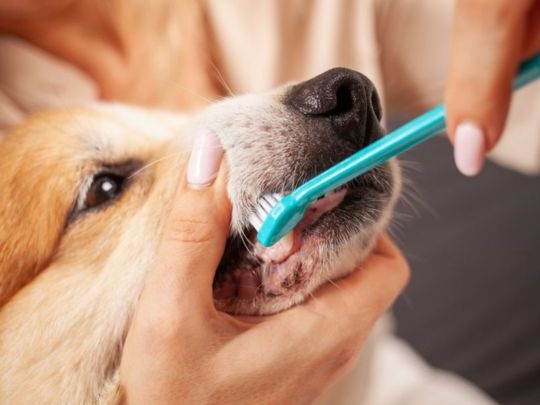
Brushing is one of the most effective ways to maintain oral hygiene. While it may seem challenging at first, most dogs gradually adapt to this routine with patience and positive reinforcement.
How to Brush Your Dog’s Teeth
Follow these simple steps:
- Choose a toothbrush designed for dogs or use a finger brush.
- Use toothpaste specifically formulated for pets.
- Allow your dog to taste the toothpaste before brushing.
- Gently lift the lips and brush in circular motions.
- Focus on the outer surfaces of the teeth.
Ideally, brushing should be done daily. However, brushing several times a week still provides significant benefits.
Remember that human toothpaste should never be used because it contains ingredients that may be harmful to dogs.
Provide Dental Chews and Toys
Dental chews and chew toys can support oral hygiene by reducing plaque buildup. When dogs chew on specially designed dental products, the mechanical action helps clean tooth surfaces.
However, not all chew toys are equally safe or effective. Hard objects such as bones, antlers, or rocks may damage teeth.
Instead, choose veterinarian-approved dental chews designed to promote oral health. Rubber toys and textured chew items can also help massage the gums and encourage chewing behavior.
These products should complement brushing rather than replace it.
Choose the Right Diet for Oral Health
Nutrition plays a key role in maintaining healthy teeth and gums. Certain foods are specifically formulated to support dental health by reducing plaque formation.
Dry kibble may help remove some plaque during chewing. In addition, specialized dental diets contain ingredients that help prevent tartar buildup.
Avoid feeding excessive table scraps or sugary treats, as they can contribute to dental problems.
Fresh water should always be available to help rinse food particles from the mouth and support hydration.
Consulting a veterinarian about the best diet for your dog ensures proper nutrition and improved oral health.
Watch for Signs of Dental Problems
Early detection of dental issues can prevent more serious complications. Pet owners should regularly check their dog’s mouth for signs of oral health concerns.
Common symptoms of dental disease include:
- Persistent bad breath
- Red or swollen gums
- Yellow or brown tartar on teeth
- Difficulty chewing
- Drooling more than usual
- Loose or missing teeth
If you notice any of these signs, schedule a veterinary visit as soon as possible. Prompt attention helps prevent discomfort and further complications.
Schedule Professional Dental Cleanings
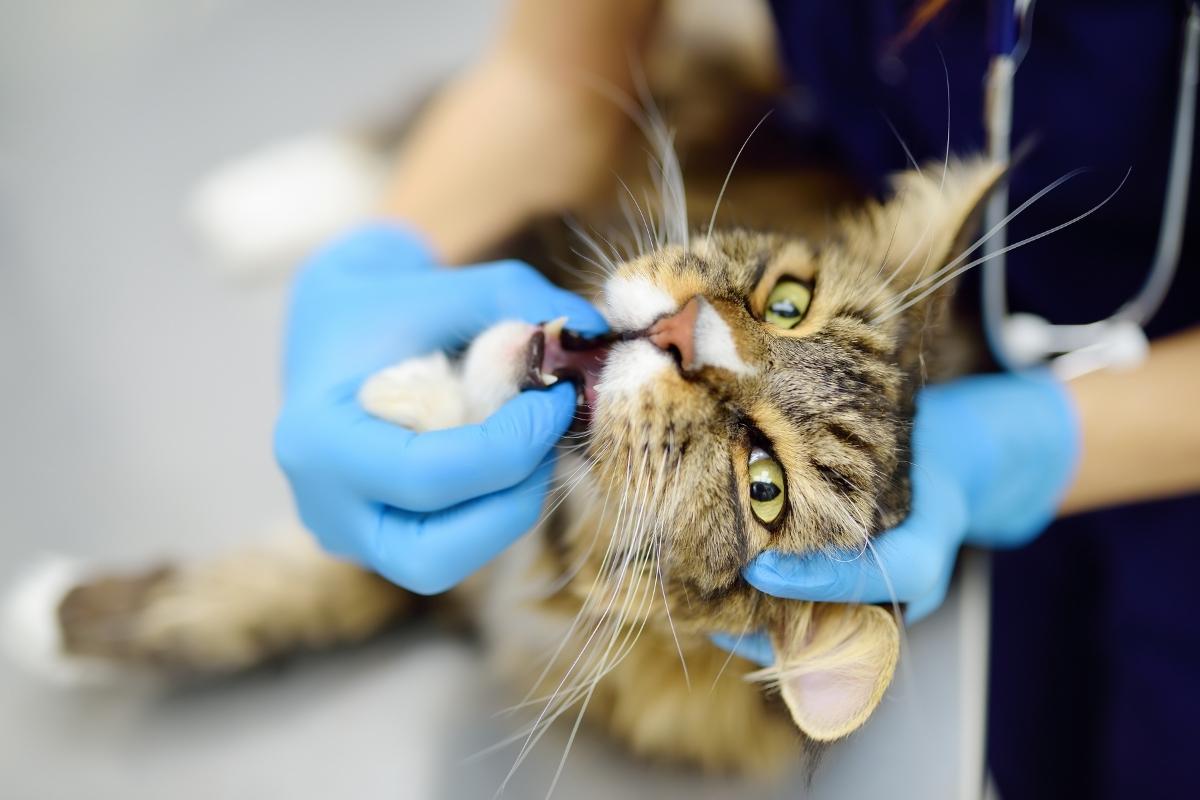
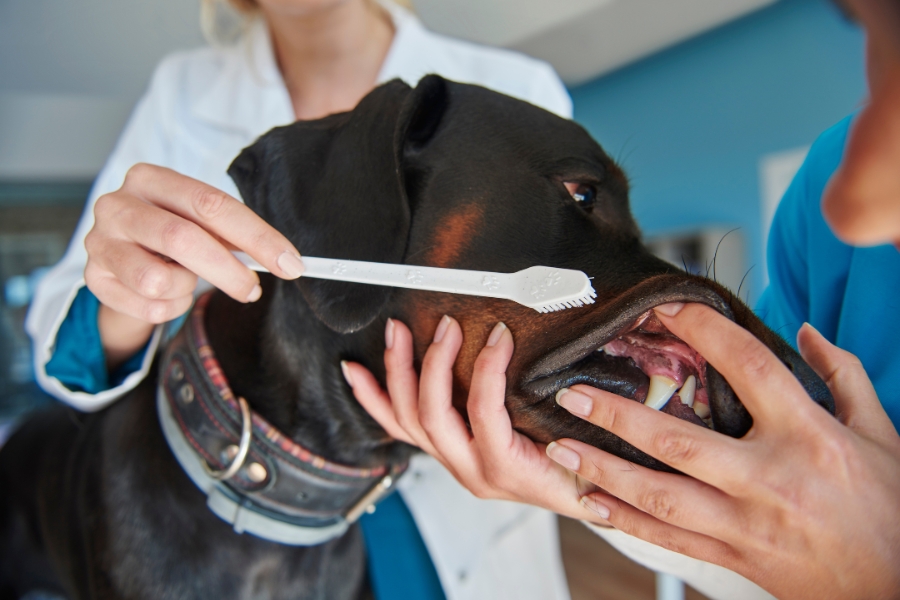
Even with regular brushing at home, professional cleanings are sometimes necessary. Veterinarians use specialized equipment to remove plaque and tartar that cannot be eliminated through brushing alone.
During a professional cleaning, the veterinary team typically performs:
- A thorough oral examination
- Removal of plaque and tartar
- Polishing of teeth
- Evaluation for signs of dental disease
These procedures help maintain long-term oral health and prevent infections.
Routine veterinary visits also allow professionals to evaluate your dog’s dental condition and recommend appropriate treatments.
Start Dental Care Early
The best time to introduce dental care is when your dog is young. Puppies adapt more easily to brushing and handling, which helps create lifelong habits.
However, older dogs can also learn new routines with patience and gentle training.
Start slowly by letting your dog become comfortable with mouth handling. Gradually introduce a toothbrush and toothpaste while offering praise or rewards.
Consistency and positive reinforcement make the process easier for both the dog and the owner.
Maintain Regular Veterinary Checkups
Routine veterinary visits are essential for monitoring your dog’s oral health. During wellness exams, veterinarians examine the teeth and gums to detect potential problems.
They may also recommend preventive treatments or professional cleanings based on your dog’s needs.
Veterinary guidance plays a crucial role in maintaining effective dog dental care, ensuring that oral health issues are addressed before they become severe.
Regular checkups also allow pet owners to discuss diet, chewing habits, and home dental routines.
Create a Consistent Dental Routine
Consistency is the key to maintaining healthy teeth. Establishing a simple daily routine helps prevent plaque buildup and keeps your dog comfortable.
A good dental care routine may include:
- Regular tooth brushing
- Providing dental chews or toys
- Feeding a balanced diet
- Monitoring oral health
- Scheduling routine veterinary exams
By maintaining these habits, pet owners can significantly reduce the risk of dental disease and support their dog’s overall health.
Maintaining healthy teeth is an important part of responsible pet ownership. Good oral hygiene not only prevents bad breath but also protects your dog from infections and serious health problems.
Regular brushing, proper nutrition, safe chew toys, and routine veterinary visits all contribute to long-term dental health. When these practices become part of your daily routine, they help ensure your dog remains comfortable and happy.
If you are in Canton, GA and looking for dog dental care, book an appointment with Union Hill Animal Hospital. Our veterinary team is dedicated to helping pet owners protect their dogs’ oral health and overall well-being.
FAQs
Q1. Why is dental care important for dogs?
Ans. Dental care helps prevent plaque buildup, gum disease, and tooth loss. Good oral hygiene also protects your dog from infections that can affect major organs such as the heart, liver, and kidneys.
Q2. How often should dogs have professional dental cleanings?
Ans. Most veterinarians recommend professional dental cleanings once a year, although some dogs may need them more frequently depending on their oral health.
Q3. What type of toothbrush should I use for my dog?
Ans. A soft-bristled toothbrush designed specifically for dogs or a finger toothbrush works best. These tools are gentle on gums and easier to use in your dog’s mouth.
Q4. Can certain dog foods help improve dental health?
Ans. Yes. Some specially formulated dry dog foods and dental diets help reduce plaque and tartar buildup while supporting overall oral health.
Q5. What should I do if my dog has bad breath?
Ans. Persistent bad breath may indicate dental disease. If brushing does not improve the odor, schedule a veterinary visit to check for underlying dental problems.
Q6. Are small dog breeds more prone to dental problems?
Ans. Yes. Smaller breeds often have crowded teeth, which can make them more susceptible to plaque buildup and gum disease. Regular dental care is especially important for them.