
As pet owners, we all want our dogs and cats to enjoy long, healthy lives. However, many chronic diseases in pets—such as kidney disease, diabetes, heart disease, and thyroid disorders—can develop gradually and often show few noticeable symptoms in the early stages.
This is where veterinary diagnostic care becomes extremely important. With advanced diagnostic tools and regular wellness exams, veterinarians can identify underlying health problems early and begin treatment before the disease progresses.
At Union Hill Animal Hospital in Canton, GA, our team uses modern diagnostic technology to monitor your pet’s health and detect potential conditions as early as possible, helping your pet receive the care they need at the right time.
Why Early Detection Is Important
Chronic diseases usually develop slowly, which makes them harder for pet owners to detect at home. A small change in appetite, behavior, or energy levels may be the only early sign.
Early diagnostic testing can help:
- Detect diseases before symptoms become severe
- Improve treatment outcomes and long-term health
- Reduce the risk of medical emergencies
- Help manage chronic conditions more effectively
- Potentially lower long-term treatment costs
The earlier a disease is diagnosed, the more options veterinarians have to manage or treat the condition.
Types of Veterinary Diagnostic Tests
Veterinary clinics use a variety of diagnostic tools to evaluate your pet’s internal health and detect early signs of disease.
1. Blood Testing
Blood tests are one of the most common and valuable diagnostic tools used in veterinary medicine. They provide important information about your pet’s organ function and overall health.
Bloodwork can help detect:
- Kidney disease
- Liver problems
- Diabetes
- Infections
- Thyroid disorders
- Electrolyte imbalances
Many chronic conditions can be detected through routine blood testing even before visible symptoms appear.
2. Urinalysis
A urinalysis evaluates your pet’s urine to assess kidney function and detect urinary tract issues.
This test can help identify:
- Urinary tract infections
- Kidney disease
- Bladder stones
- Diabetes and metabolic disorders
In some cases, kidney problems appear in urine tests before they show up in bloodwork.
3. Diagnostic Imaging
Imaging tools allow veterinarians to examine internal organs that cannot be evaluated through a physical exam alone.
X-rays help identify issues such as:
- Bone abnormalities
- Lung disease
- Tumors
- Enlarged heart
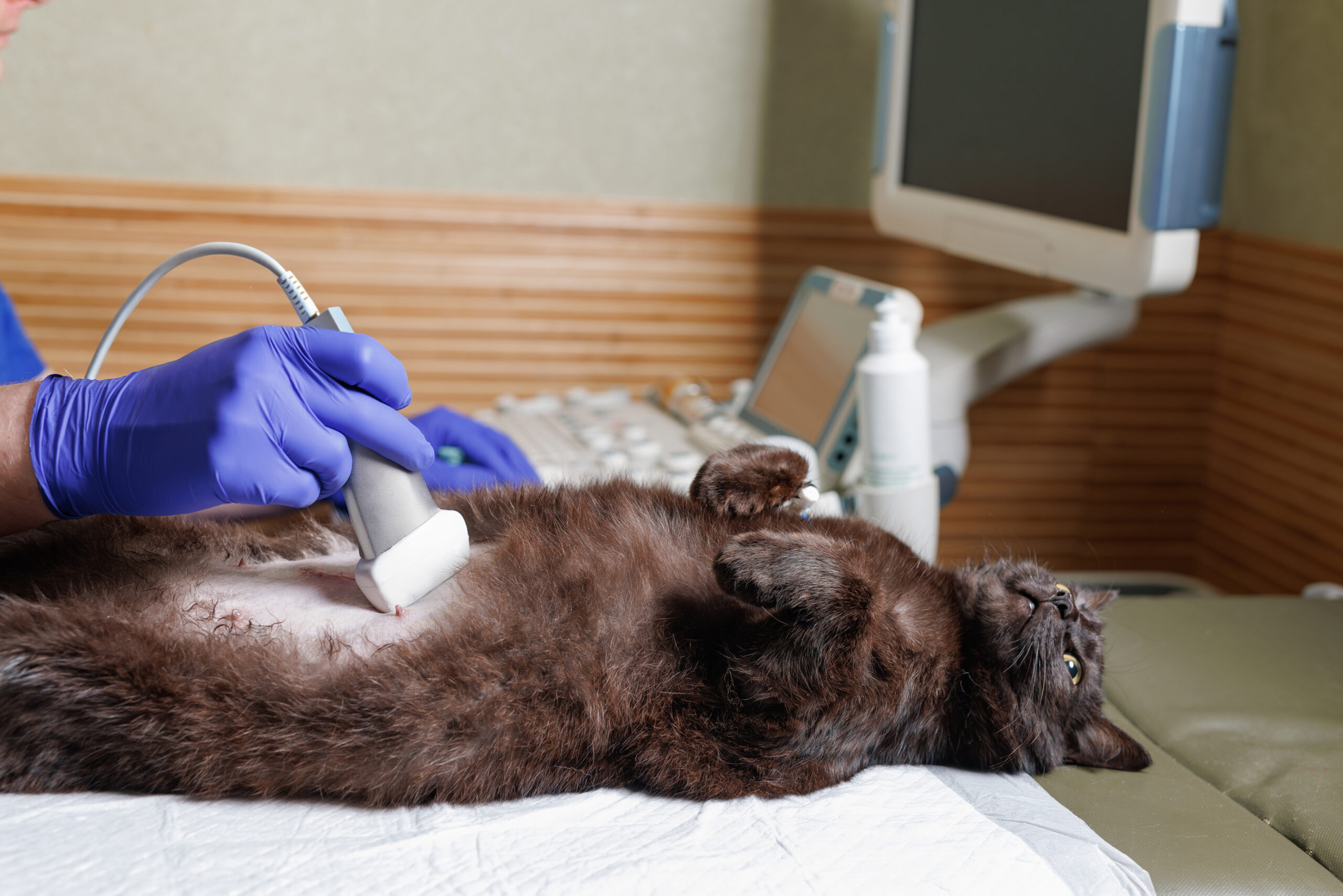
Ultrasound provides detailed images of organs including the liver, kidneys, spleen, and intestines, helping detect inflammation, cysts, or abnormal growths.
4. Heart Health Monitoring
Heart disease can affect both dogs and cats, particularly as they age. Specialized tests help veterinarians evaluate heart function and detect abnormalities early.
These may include:
- Electrocardiograms (ECG)
- Blood pressure monitoring
- Echocardiograms
These tests help assess heart rhythm, structure, and overall cardiovascular health.
5. Hormone and Endocrine Testing
Hormonal imbalances can lead to chronic conditions that affect your pet’s metabolism and overall health.
Common endocrine disorders include:
- Hyperthyroidism in cats
- Hypothyroidism in dogs
- Cushing’s disease
- Addison’s disease
Hormone testing allows veterinarians to diagnose and manage these conditions before they lead to serious complications.
Signs Your Pet May Need Diagnostic Testing
While many chronic illnesses develop quietly, certain symptoms may indicate that your pet needs diagnostic evaluation.
Contact your veterinarian if you notice:
- Increased thirst or urination
- Sudden weight loss or weight gain
- Decreased energy or lethargy
- Loss of appetite
- Vomiting or diarrhea
- Difficulty breathing
- Unusual behavior changes
Even minor or occasional symptoms can sometimes signal an underlying health issue.
Routine Wellness Exams Help Protect Your Pet’s Health
One of the most effective ways to detect chronic diseases early is through regular wellness exams.
Veterinarians often recommend:
- Annual checkups for adult pets
- Semi-annual exams for senior pets
During these visits, diagnostic screenings may be recommended based on your pet’s age, breed, lifestyle, and medical history. Establishing a baseline for your pet’s health also makes it easier to identify subtle changes over time.
Supporting Your Pet’s Long-Term Health
Veterinary diagnostic care plays a vital role in protecting your pet’s health. By combining routine exams with advanced testing, veterinarians can identify hidden health conditions and begin treatment early.
At Union Hill Animal Hospital in Canton, GA, we are committed to providing comprehensive diagnostic services that help detect chronic diseases early and keep your pets healthy throughout every stage of life.
Proactive veterinary care not only improves your pet’s quality of life but also gives pet owners peace of mind knowing their companion is receiving the best possible care.
Frequently Asked Questions (FAQs)
1. What are chronic diseases in pets?
Chronic diseases are long-term health conditions that develop gradually over time, such as kidney disease, diabetes, heart disease, and thyroid disorders.
2. How often should my pet have diagnostic testing?
Most pets benefit from diagnostic testing during annual wellness exams. Senior pets or those with health concerns may need testing every six months.
3. Are diagnostic tests safe for pets?
Yes. Most veterinary diagnostic tests, such as bloodwork, urinalysis, and imaging, are safe and minimally invasive.
4. At what age should pets start routine diagnostic screenings?
Many veterinarians recommend routine screenings starting around 7 years of age, when pets enter their senior years and become more prone to chronic diseases.
5. Can diagnostic tests detect diseases before symptoms appear?
Yes. Many chronic diseases can be detected through blood tests, urine tests, or imaging before noticeable symptoms develop.